Gilani pledges legislation, oversight and funding for water security
Senate chairman tells Pakistan Water Week that provincial water laws must be fully enforced and groundwater extraction regulated as per capita availability falls

Senate Chairman Yousaf Raza Gilani said on Monday that Parliament would support water security through legislation, oversight and budget allocations, and asked policymakers to turn commitments into measures that protect farmers and flood-hit communities.
Speaking at the opening of the sixth Pakistan Water Week 2026 in Islamabad, Gilani said water security was a national priority needing coordinated work by Parliament, provincial governments and federal institutions. The five-day conference runs from November 2 to 6 and has brought together more than 200 participants.
He named three areas for immediate attention: laws that can be enforced, effective parliamentary oversight and sustained financing. Provincial water laws should be implemented in full, he said, and groundwater extraction needs stronger regulation.
Parliament must make sure water policies deliver visible benefits to farming communities, particularly those at the tail end of irrigation networks, he said, and flood early-warning systems must reach vulnerable villages in time to prevent loss of life and property. Public spending, he added, should put disaster-risk reduction on the same footing as relief and rehabilitation.
Gilani said solar-powered tube wells had given farmers relief but warned that their expansion must come with groundwater rules to stop over-extraction. He called for planned aquifer recharge and wider use of floodwater to refill underground reserves, and for reliable sharing of water data to build trust between provinces. Women, young people and farming communities should be part of water governance, he said.
Recalling his tenure as prime minister during the 2010 floods, he said Pakistan faces destructive floods and shrinking water availability at the same time. The 2022 floods affected about 33 million people and caused more than $30 billion in losses and damage, he said, while nearly seven million people were affected by floods last year. Per capita water availability has fallen from more than 5,000 cubic metres to about 1,000 cubic metres.
"Too much water and too little, sometimes in the same districts within the same year," Gilani said. He asked whether reconstruction after disasters reduces future risk or merely rebuilds the same vulnerabilities, saying that "response is not resilience".
On the Indus Waters Treaty, he said the agreement remains valid and binding and that water should never be used as an instrument of political pressure. He set the goal of a water-secure, flood-resilient Pakistan by 2047, the country's centenary year.
IWMI Pakistan country representative Dr Muhammad Ashraf said water security is tied to food security, climate resilience and economic stability, and that each session should end with clear commitments, named responsibilities and deadlines. In his keynote, IWMI strategic programme director for water, food and ecosystems Dr Mohsin Hafeez said Pakistan already has the research, evidence and policy recommendations and needs a shared commitment to act on them, with results that reach farmers.
The conference is organised by IWMI and the CGIAR Policy Innovations Science Program with the Pakistan Council of Research in Water Resources and the Ministry of Water Resources. It has two thematic tracks of 13 sessions each, plus plenaries on development partners' water and climate priorities and Indus Basin water governance. The closing ceremony is scheduled for November 5 and the conference concludes on November 6.
Gilani asked participants to judge their commitments by their effect on ordinary people, naming farmers in Thar, families living along the Ravi and children in Quetta who struggle to get clean drinking water.
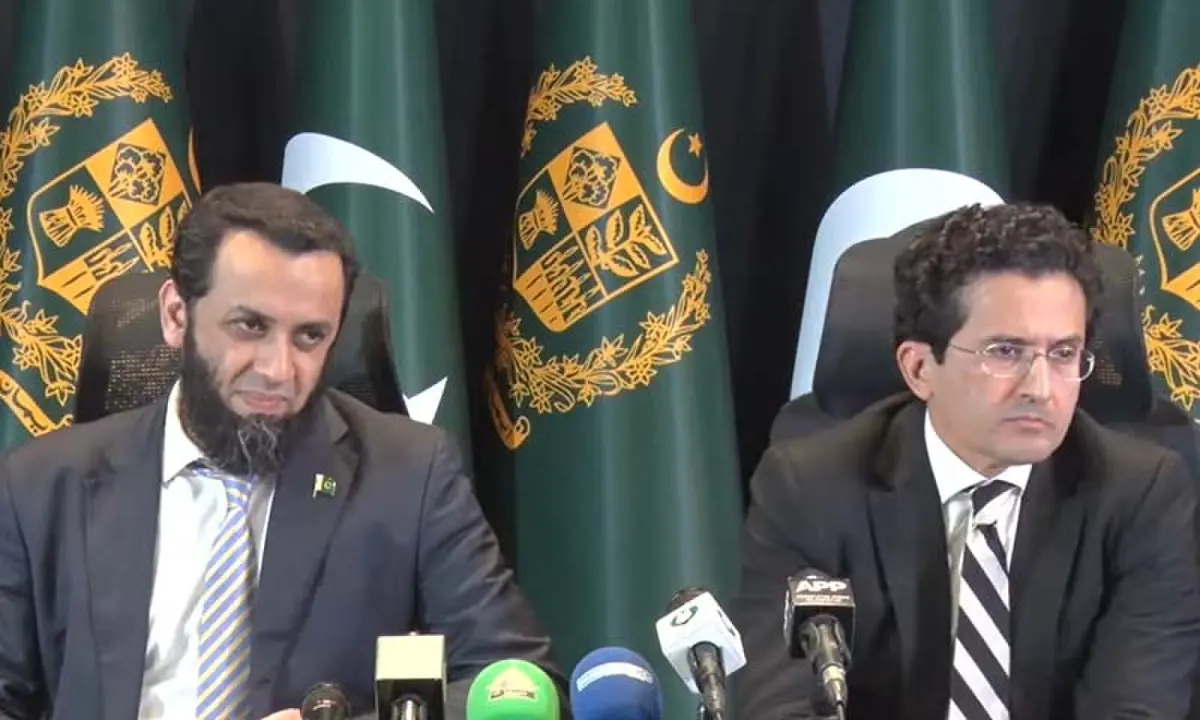
Refineries to absorb Rs15bn a month to hold petrol Rs15 cheaper
Petroleum Minister Ali Pervaiz Malik and Information Minister Attaullah Tarar announce the arrangement in Islamabad; Arab News PK puts the monthly refinery burden at $54 million.

PIA appoints Adrian Hamilton-Manns as chief executive
The former SalamAir head succeeds Air Vice Marshal Amir Hayat, who ran the national carrier for four and a half years and prepared it for privatisation.

Petrol may drop Rs15 a litre as refineries take the burden
Petroleum Minister Ali Pervaiz Malik says the new import-parity formula puts a Rs15 billion monthly cost on local refineries, which say they were not consulted.
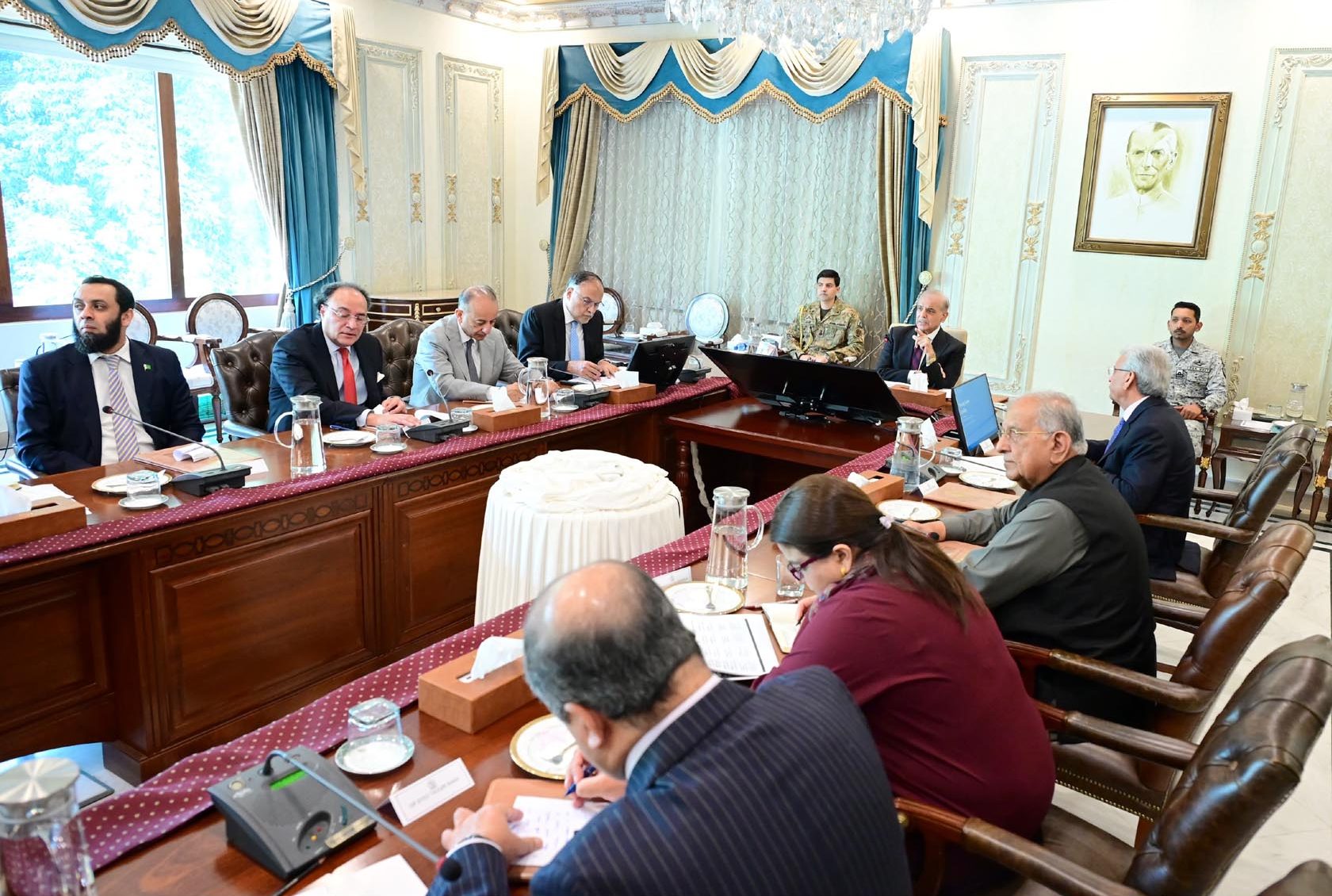
PM orders action against banks slow to lend to SMEs, farmers
Shehbaz Sharif, chairing a credit review in Islamabad, told the finance minister to draw up an action plan and set Rs1,500 billion lending targets for FY2027.

Fakhar Zaman century delivers tri-series title for Pakistan
Pakistan chased down 326 at Gaddafi Stadium with nine balls left, after Kamindu Mendis made 131 in Sri Lanka's 325-8.

Tarar announces revival of PTV drama and film academy
The information minister says the restored academy will teach colour grading in Pakistan for the first time, with private studios and universities as partners.

Punjab police deploy 1,000-plus to guard polio teams
The four-day campaign's security cover was reported by APP for Punjab, while The Hindu put Karachi's deployment above 8,000 personnel.

KSE-100 recovers 632-point slide to close 154 points higher
Refinery shares fell to their lower limit after the October 31 pricing notification shifted petrol import costs onto local refiners from consumers.