Gilgit-Baltistan villagers graft glaciers to secure water
The ancient Gang Khswa technique involves burying 'male' and 'female' glacier fragments above 4,000 metres and waiting years for them to consolidate.
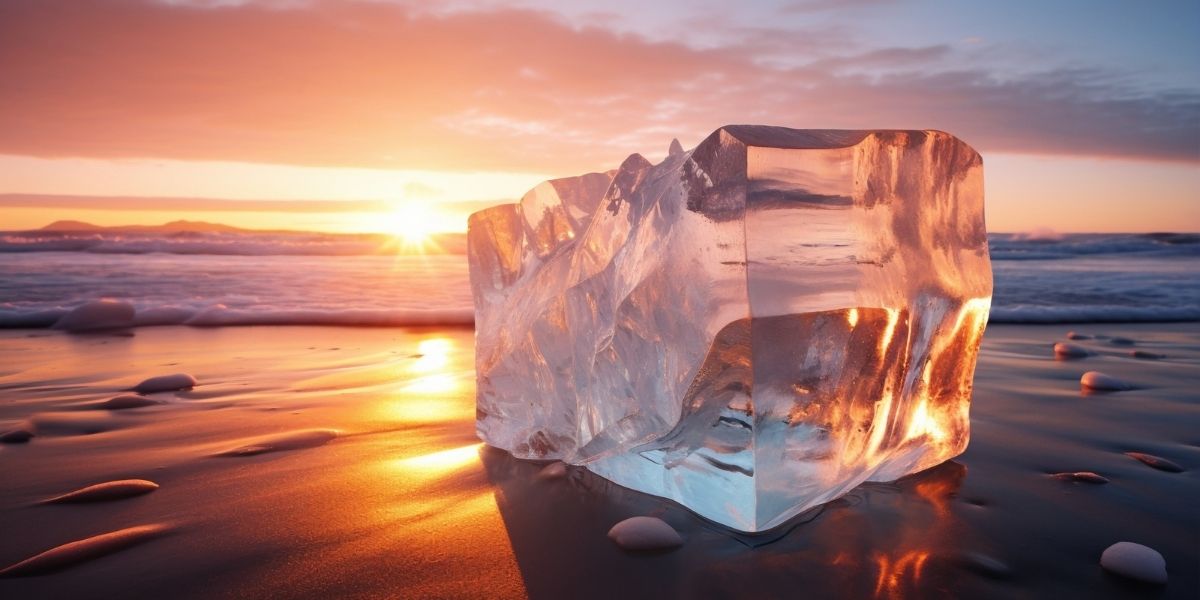
Residents of high-altitude villages in Gilgit-Baltistan are carrying glacier ice on their backs to sites above 4,000 metres to graft new glaciers, according to a Euronews report republished by Brazil's Tribuna de Minas. The practice, known locally as Gang Khswa, is an indigenous glacier-grafting technique meant to create new water sources for irrigation, livestock, and daily use.
Practitioners collect ice from two traditional glacier types: a "male" glacier, greyish with soil, sand, and stones, and a "female" glacier, clearer and associated with more water. The fragments are carried in wooden baskets, often at night to reduce melting, and placed in a prepared cavity or cave. They are positioned separately with clay pots filled with Indus River water between them, then covered with sawdust, charcoal, and apricot pits. The operation can take up to 48 hours.
Zakir Hussain Zakir, director of planning and development at the University of Baltistan, told Euronews that the site must be at least 4,000 metres high, with permafrost, little solar radiation, strong wind, and preferably north-facing slopes. Once buried, the ice passes through successive snow cycles. According to experts cited in the report, it takes about ten years for the new glacier to consolidate and begin producing water, and another decade to grow into a reliable source.
The report says the technique was revived in the 1990s but may date to the 14th century and is linked by oral tradition to the Persian Sufi saint Mir Syed Ali Hamadani. Nazir Ahmed, executive director of the Baltistan Culture & Development Foundation, said the knowledge was transmitted orally. In 2025 the foundation received UK government funding and grafted ten glaciers in Baltistan villages, built six ice towers, and created a botanical garden at the University of Baltistan. Before the funding it could move up to 200 kg of ice per project; it now transports more than one tonne per operation.
The Euronews report notes that Gilgit-Baltistan and Khyber Pakhtunkhwa have 3,044 identified glacial lakes, of which 33 are considered dangerous for outburst floods. Pakistan produces less than 1% of global emissions but is highly vulnerable to climate change. Young people are leaving villages for education and work in Karachi, Lahore, and Islamabad, according to Zeeshan Abbas of the youth initiative Siachen Sherpa, but he says new generations can combine traditional knowledge with GPS and satellite imagery.
Amir Muqam greets Gilgit-Baltistan on 79th Independence Day, pledges tourism focus
The federal minister for Kashmir Affairs and Gilgit-Baltistan marked the region's 79th Independence Day with a message that also promised continued attention to development and tourism.

Gilgit-Baltistan marks 80th Independence Day with Gilgit ceremony
Radio Pakistan says the main event will be held at the Army Helipad in Gilgit, with tributes to those it calls heroes of the 1947 liberation struggle.

Skardu family of four killed; police suspect honour killing
Police say Muhammad Aslam, his wife Hania and their children Mahdi, 4, and Zahra, 2, were killed with a sharp-edged weapon; the FIR names Hania's father, brothers and uncle.
Diamer-Bhasha, Dasu costs rise by Rs1.9 trillion, NA told
The Ministry of Water Resources blames exchange-rate changes and says a revised PC-I has been submitted, while cement, diesel and steel prices have jumped.