



Government assures phased cut in petroleum levy, says Hafiz Naeem
The Jamaat-e-Islami ameer says nine or ten rounds of talks have been held and his party has given the government a final draft and technical proposals.

Jamaat-e-Islami ameer Hafiz Naeemur Rehman said at a press conference in Lahore that nine or ten rounds of negotiations on the petroleum levy have been held with the government, which has assured his party it will consider reducing the levy in stages.
He said Jamaat-e-Islami had submitted its final draft and a technical solution to the government, and that the government was using the International Monetary Fund programme as a pretext to stall the matter.
He proposed that the petroleum levy and import duty be raised on vehicles above 1800cc, arguing that large cars are used by the ruling and privileged classes and should carry a heavier financial burden. Government officials, he said, should not be allowed to use cars larger than 1300cc, and the perks of rulers should be cut.
He criticised the government's petrol relief scheme and demanded its scope be widened from 800cc to 1300cc vehicles, saying 1300cc cars are the need of salaried and middle-income people who pay income tax regularly. He also sought the inclusion of farmers' tractors, public transport and more than 25 million motorcyclists in the relief.
Aaj News reported him as saying that the government collects Rs150 billion a month in levy from the public while giving relief of only Rs26 billion to Rs30 billion.
UrduPoint reported that he claimed petrol would have reached Rs500 a litre if Jamaat-e-Islami had not stood against government policies, and quoted him as saying the present rulers would have inflicted a "petrol bomb" on the people.
He repeated his commitment to keep the protest movement going until the petroleum levy is abolished completely, and announced rallies in Quetta on 22 November and at Minar-e-Pakistan in Lahore on 29 November. He also criticised cartels in oil refining, sugar, flour, gas and independent power producers.
Jamaat-e-Islami began sit-ins against the petroleum levy on 16 August and a countrywide strike on 3 September. A "super long march" towards Islamabad was temporarily postponed on 22 September after Prime Minister Shehbaz Sharif asked for negotiations.
How the reports differ
Aaj News carried the detail of the negotiations and Hafiz Naeemur Rehman's proposals: the 1800cc threshold for higher levy and import duty, the 1300cc cap on official cars, the demand to widen the relief scheme, and the Rs150 billion a month collected against Rs26 billion to Rs30 billion of relief. UrduPoint led on his claim that petrol would have reached Rs500 a litre had Jamaat-e-Islami not opposed government policies, and on his remark that the rulers would have inflicted a "petrol bomb" on the people.
Petroleum levy yields Rs220 billion in July and August
The government is charging Rs80 per litre on petrol and diesel while talks with Jamaat-e-Islami on relief run against the IMF programme's revenue commitments.
Government, JI committees meet to finalise petroleum levy draft
Teams led by Ahsan Iqbal and Rana Sanaullah sit with JI's Nasrullah Randhawa and Syed Farasat Shah to settle a phased withdrawal of the levy.
Government refuses JI demand to abolish petroleum levy
Talks between Liaquat Baloch and Ishaq Dar produce fuel relief for farmers and public transport, but no commitment to end the levy.

Cyber agency warns of high-severity TeamViewer flaw
The advisory says CVE-2026-111585, scored 8.8 out of 10, affects clients before version 15.83 on Windows, Linux and macOS and can allow remote code execution.

Thatta Cement, Fauji Foundation sign deal on Pearl Continental owner
The PSX filing says the restructuring of Pakistan Services Limited needs corporate and regulatory approval, days after Fauji Foundation bought a 19.70% stake.

ADB approves $500m emergency financing for Pakistan disasters
The money sits under the second phase of the bank's Climate and Disaster Resilience Enhancement Program and funds immediate budget support after floods, earthquakes or other calamities.
ADB approves $500m disaster financing for Pakistan
The contingent facility gives Islamabad budget support within days of a flood or earthquake, with the bank putting average annual disaster losses at about $2bn.
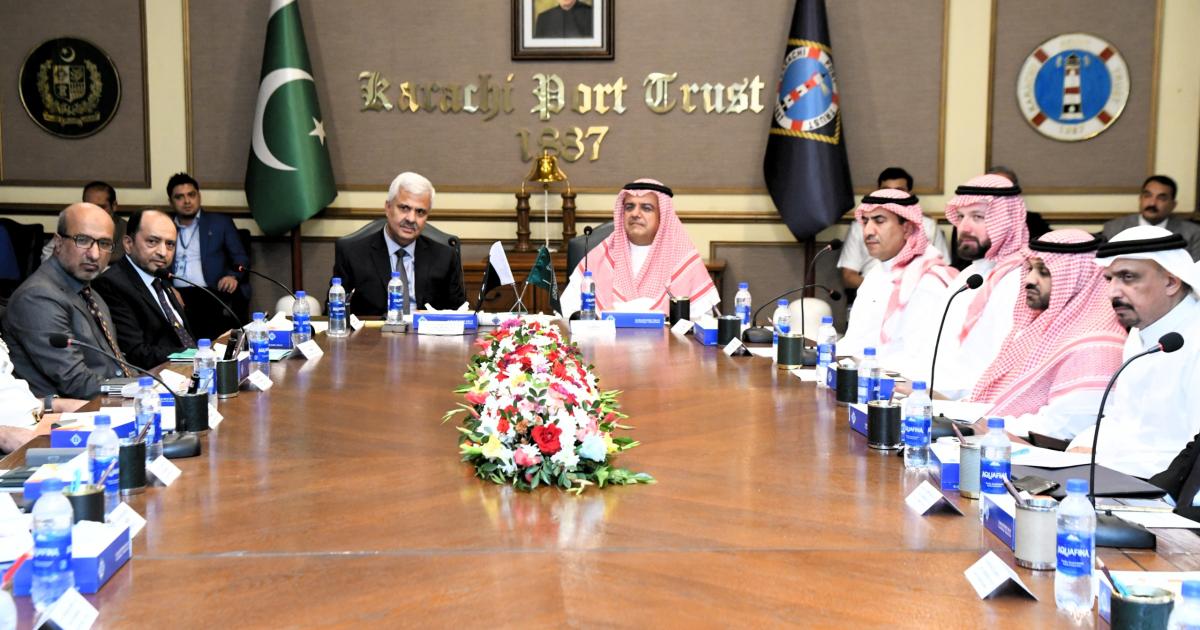
Saudi-Pakistan private equity fund to start at $500m, investors say
Arif Habib, who signed the memorandum for the Pakistani side in Karachi, says regulatory approval will take at least three months before capital is called.