Hungary opens communist-era secret police files to public
About 60,000 informants' names go online, 36 years after the 1989 change of regime, with a second batch due in February.

Hungary published the names and personal details of tens of thousands of people recruited by its communist-era secret police on Wednesday, opening archives that successive governments had kept closed since one-party rule ended in 1989.
The records can be searched on nyitottaktak.hu, a state archive website. Euronews reported that the release covered between 50,000 and 60,000 former agents. Prime Minister Péter Magyar, who made full disclosure a campaign promise before his landslide election win in April, said it fulfilled a pledge from the 1990 change of regime.
"After 36 years, we are finally fulfilling what was once one of the key promises of the 1990 regime change, a promise that was later denied and lied about," Magyar told a briefing at the state security archives in Budapest. He asked Hungarians to treat the publication "with dignity and humanity" and said many families would now face difficult information, often about a deceased relative.
The date was symbolic. On 4 November 1956, Soviet tanks rolled into Budapest and other cities to crush Hungary's short-lived revolution.
The documents include Form 6 cards, registration sheets that record an informer's real name, codename, date of birth, address, mother's name, occupation, whether recruitment was voluntary or forced by blackmail or coercion, and the name of the handling officer. B-dossiers giving the recruitment registers in more detail are being digitised and will be published on 25 February, the BBC reported. Since 1998 Hungarians have been able to apply for their own files, but names were often blacked out and many records withheld.
Bendegúz Cseh Gergő, director general of the Historical Archives of State Security Services, told the Hungarian news agency MTI that the archive holds about 10,000 files running to hundreds of thousands of pages. The content of such records is not necessarily true and is certainly incomplete, he said. He added that a large proportion of the informants were people who did not make their mark on national public life.
The BBC put the number recruited between December 1944 and February 1990 at 150,000 to 160,000. Euronews reported about 150,000 agents over four decades, with only about a third of their names known and detailed information for roughly 10%.
Zsuzsanna Borvendég, a historian and MEP for the far-right Our Homeland party, told Hungarian media that "in the overwhelming majority of surviving agent reports, it isn't even possible to identify the agent, let alone their motives." Publishing names without explaining the circumstances of recruitment risked misleading the public, she said.
The historian Krisztián Ungváry, who has campaigned for open access, argued that citizens have a right to know what the state recorded about them. László Eörsi of the 1956 Institute Foundation called the release "better late than never" but warned against judging anyone merely for appearing on the list, noting that some recruits never filed a report and instead turned against the authorities.
Euronews reported that the government will set up hotlines offering counselling to people affected by the disclosures.
How the reports differ
The BBC's headline placed the release 47 years after the fall of communism, while its own report and Euronews dated the transition to 1989, 36 years ago. Euronews reported that the government will open counselling hotlines for people affected and quoted the archive director saying most informants were not public figures; the BBC led instead with the criticism of Zsuzsanna Borvendég of Our Homeland. Euronews estimated about 150,000 agents over four decades with detailed information on roughly 10%, while the BBC gave a range of 150,000 to 160,000 recruited between December 1944 and February 1990. Reuters framed the release as a belated reckoning with the Cold War past, and DW described it as the first opening of the files, identifying thousands of informants.
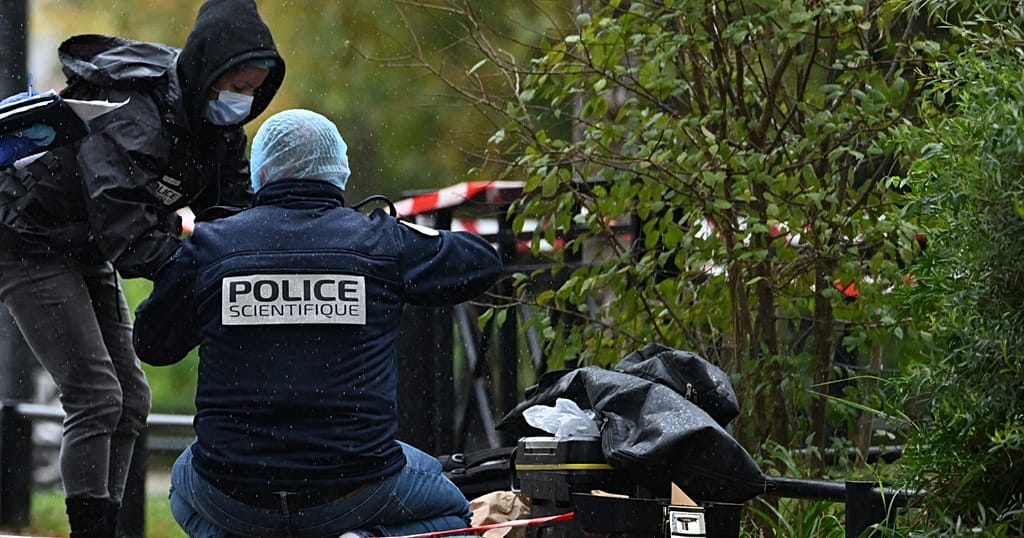
France charges man, 39, over racist shooting near Paris
Prosecutors say Kevin T. admitted targeting people who appeared Muslim, African or North African in the October 23 attack that killed a 26-year-old and wounded seven.
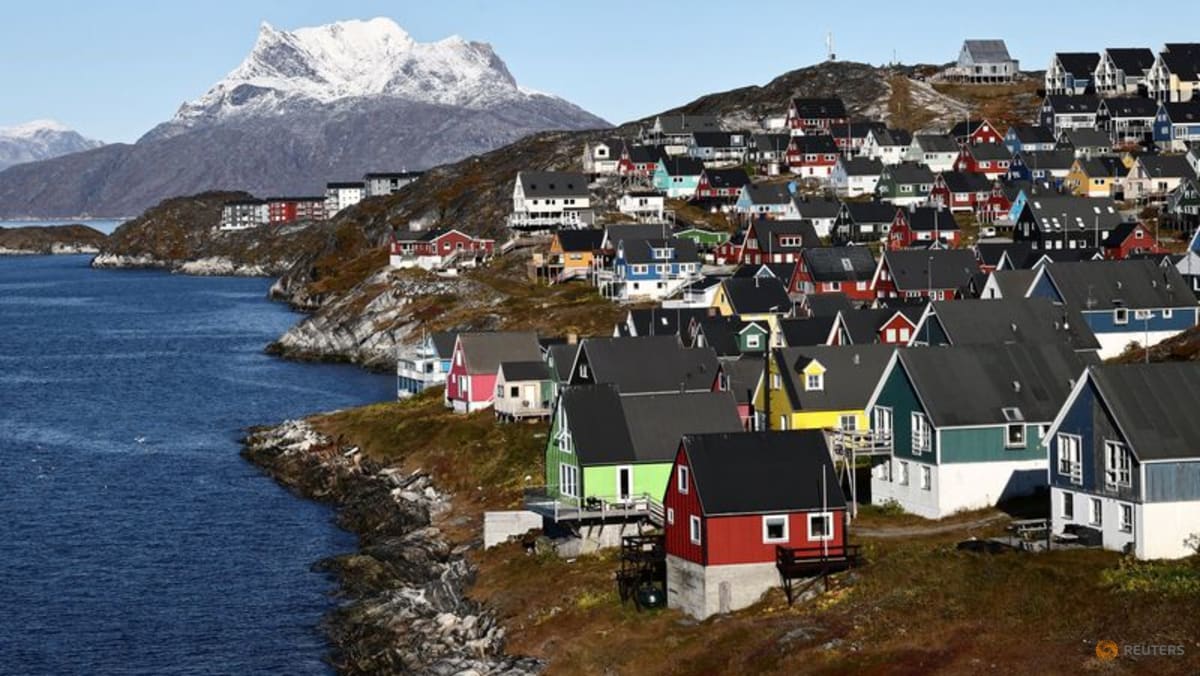
Greenland parliament ratifies Trump security deal, 16 to none
The agreement opens the Arctic island to two new US military bases and the Golden Dome missile shield while reaffirming Danish sovereignty.
WHO says six climate measures could save 1.6 million lives a year
Agency report priced ahead of COP31 puts returns on heat warnings, clean water, sanitation, clean cooking and fossil fuel pricing at up to $835 per dollar spent.

Britain sets 10-year settlement wait for some migrants
Home Secretary Shabana Mahmood eased a planned crackdown on social care workers after objections from Labour lawmakers, as the government tightens settlement rules.

Two UN reports warn 1.5C overshoot will irreversibly damage Earth's ice
The studies say glaciers, sea ice and frozen ground face impacts that cannot be undone, and call for action to keep warming inside the Paris Agreement limit.
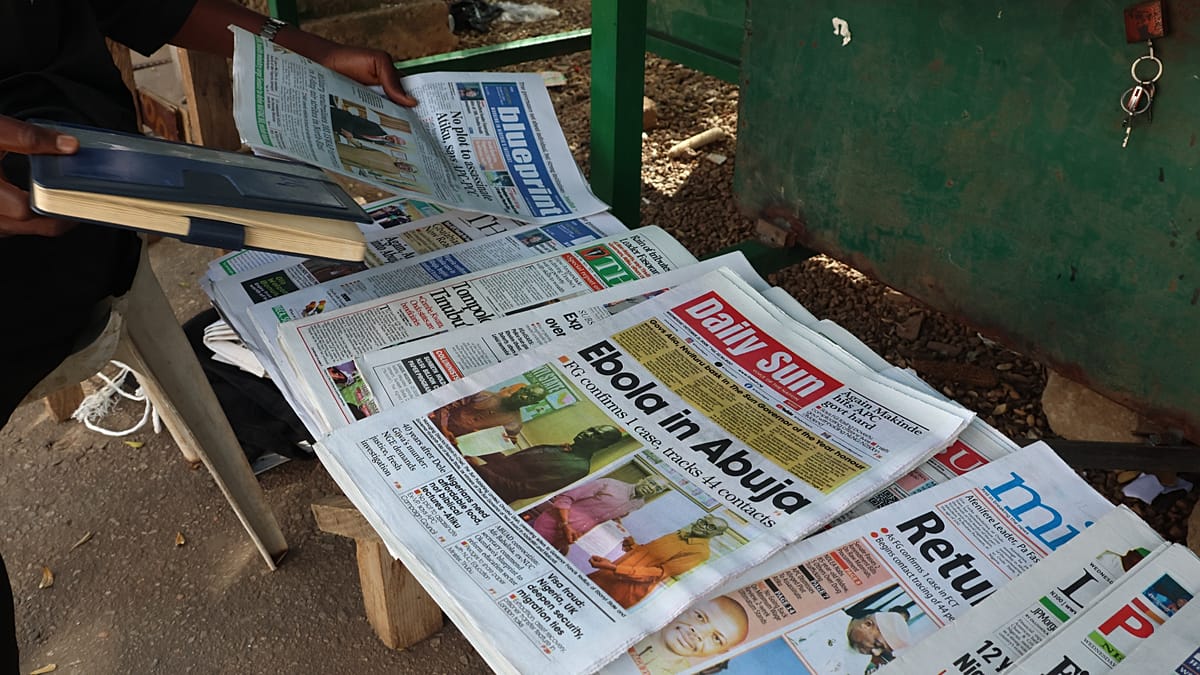
WHO chief presses Geneva negotiators to finish pandemic treaty
Tedros Adhanom Ghebreyesus cites the Ebola Bundibugyo outbreak in DR Congo and hantavirus cases this year, with benefit-sharing rules still unresolved.
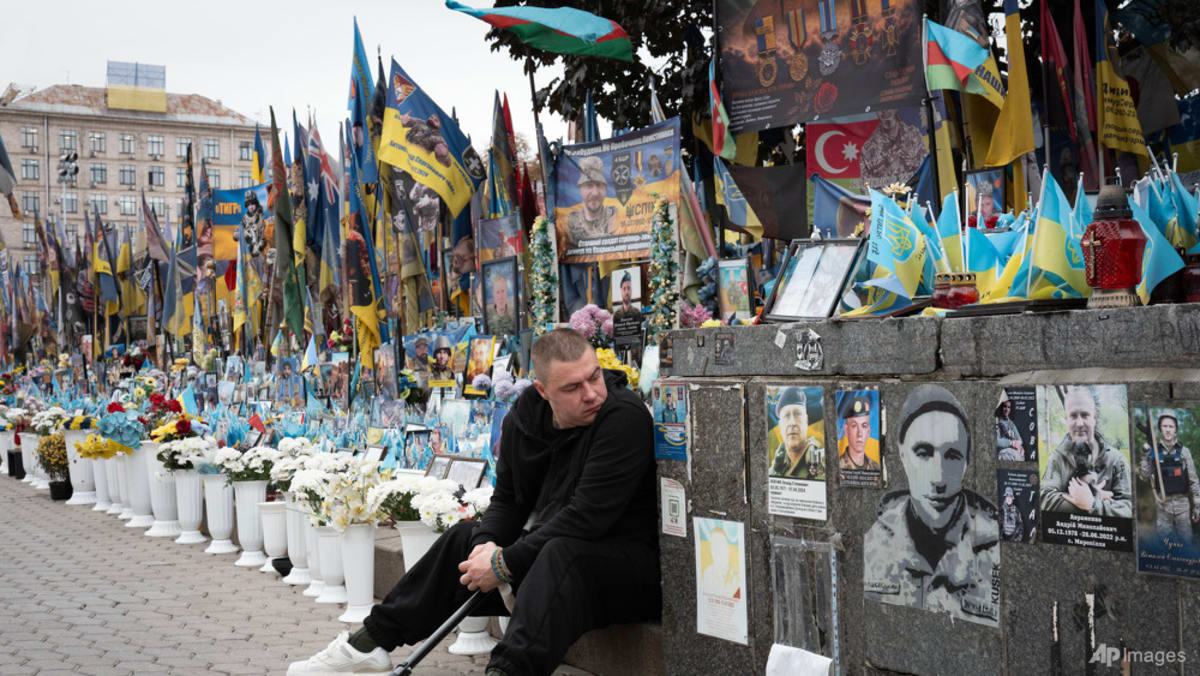
Kherson truce ends as cyberattacks hit Russia and Ukraine
Moscow says hackers posted false alerts on its emergency app, while Kyiv says its air raid warning system was breached and blames Russia.

Ukraine's air raid alert app hacked, air force says
False warnings of a radiation threat, a chemical attack and street fighting in Kyiv were sent to phones before all-clear messages followed about an hour later.