WHO says six climate measures could save 1.6 million lives a year
Agency report priced ahead of COP31 puts returns on heat warnings, clean water, sanitation, clean cooking and fossil fuel pricing at up to $835 per dollar spent.
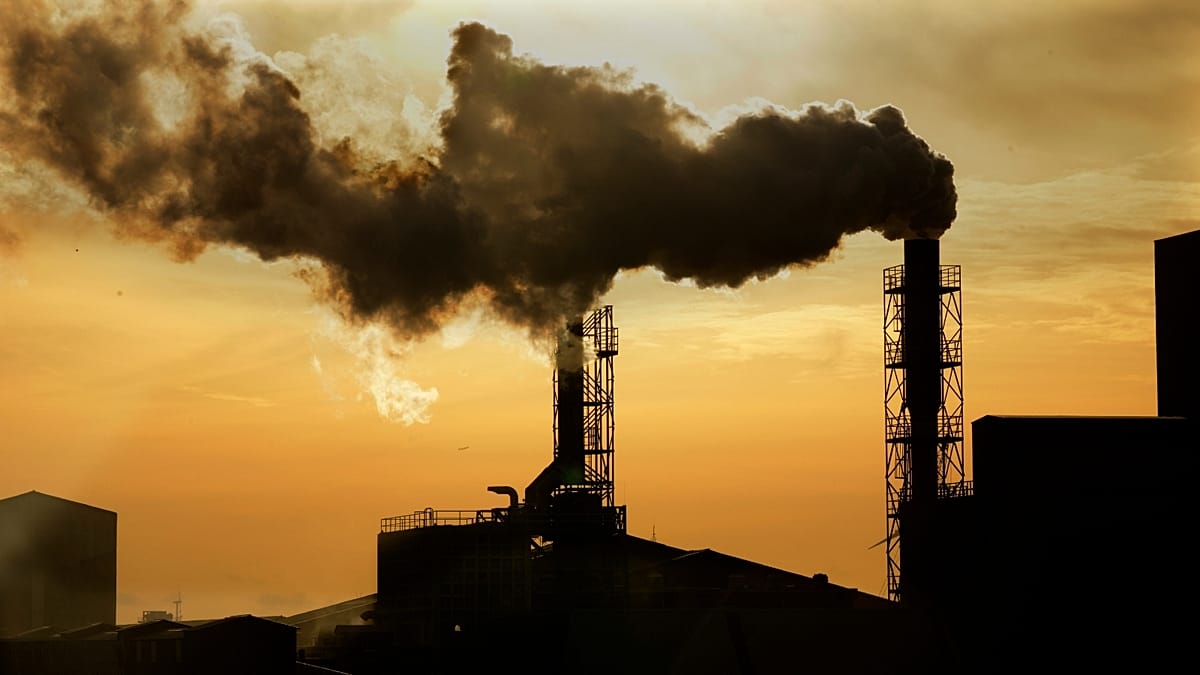
The World Health Organization said on Wednesday that six existing public health and climate measures, expanded worldwide, could prevent 1.6 million deaths a year, about one in every 40 deaths, and produce trillions of dollars in economic gains.
The findings are in a report the agency titled Global benefits and costs of prioritised actions on climate change and health, released ahead of COP31, the next round of United Nations climate negotiations, where governments are due to present their climate commitments.
The six measures are heat-health warning systems, climate-resilient drinking water services, basic sanitation and handwashing facilities, cleaner household fuels and technologies for cooking and heating, and more efficient fossil fuel pricing.
"The climate crisis is a health crisis, but much of the harm it causes can be prevented with tools we already have," WHO Director-General Tedros Adhanom Ghebreyesus said. He said expanding proven, affordable actions would save the most lives in the countries that need them most, and urged governments to put health at the centre of climate action as they prepare for the negotiations.
Fossil fuel pricing delivers the largest gains. According to the report, removing inefficient subsidies and taxing fuels so their price reflects the cost to health, climate and the environment could prevent 1.2 million deaths a year and generate $3 trillion in economic welfare benefits plus $5.4 trillion in fiscal gains.
WHO put the return on the other five measures at $24.8 in benefits for every $1 invested, with higher returns expected in low- and middle-income countries. Heat-health warning systems alone are projected to return $835 for every $1 spent, which the report attributes to the low cost of extending systems that already exist.
The agency said 3.6 billion people live in areas that leave them highly exposed to climate change and its effects on health. Without further action, it estimates that undernutrition, malaria, diarrhoea and heat stress will cause 250,000 premature deaths a year between 2030 and 2050, and that an additional 500 million people could be exposed to disease-carrying insects and other vectors by 2050.
Premium Times reported that the report also estimates the measures would avoid 16.7 billion tonnes of carbon dioxide emissions a year, equal to 31 per cent of global annual greenhouse gas emissions excluding land use and forestry.
WHO called on governments, development partners and financing institutions to use the economic evidence to scale the interventions up, saying they would bring gains for public health, for cutting emissions and for national economies at the same time.
How the reports differ
Euronews led with the interventions themselves and the $24.8 return on each dollar spent across the five non-fuel measures, and did not name the report or give its emissions figure. Premium Times named the report, separated the $3.9 trillion in annual economic welfare benefits from the $5.4 trillion in fiscal gains, and alone carried the estimate that 16.7 billion tonnes of carbon dioxide a year would be avoided, equal to 31 per cent of global emissions. Premium Times also put the return on the five measures at "$24" per dollar invested where Euronews gave $24.8, and reported the heat-warning return of $835 per dollar that Euronews did not mention. On fossil fuels, Euronews described phasing them out as preventing "more than one million" premature deaths annually, while Premium Times put the figure for fuel pricing at 1.2 million. Punch carried the 1.6 million figure and the pledge of trillions in benefits but published no detail beyond its opening line, and The Nation's version ran under the headline "Africa needs action, not development plans" without any of the WHO figures.
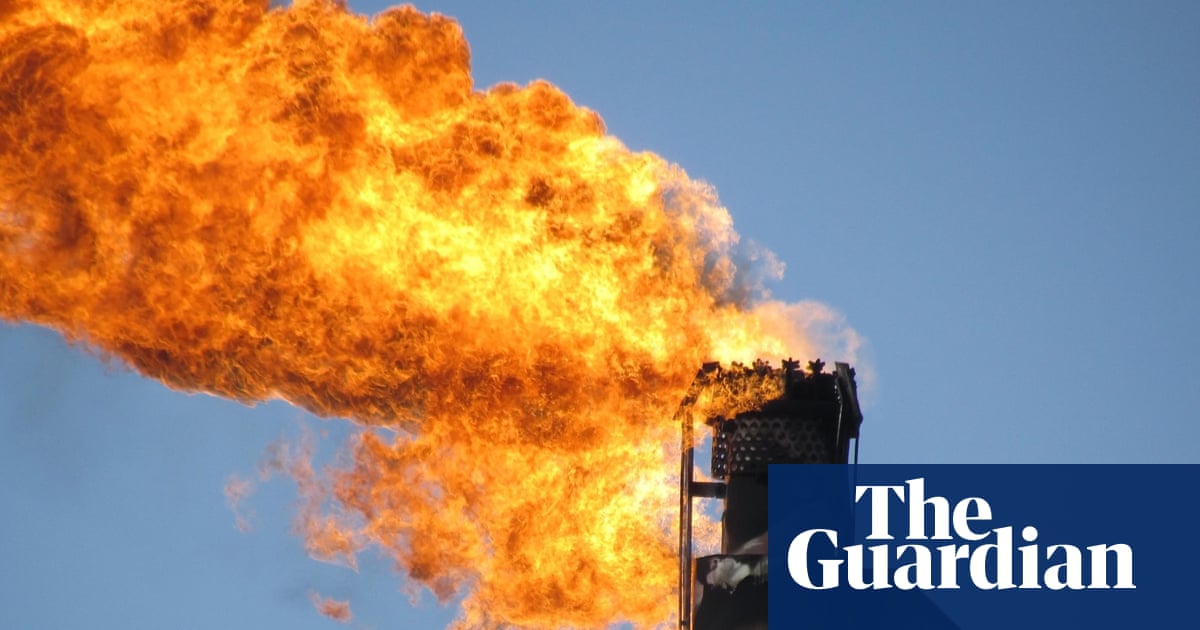
Brazil publishes non-binding global roadmap to quit fossil fuels
Two documents set out steps any country can take now, but carry no deadlines or benchmarks, drawing criticism that they fall short of the pace needed.

DR Congo Ebola outbreak passes 5,000 deaths and 10,300 cases
Eight of 26 provinces are affected as the outbreak, centred on conflict-hit Ituri, becomes the country's deadliest, with cases confirmed in Kenya, Uganda and Nigeria.
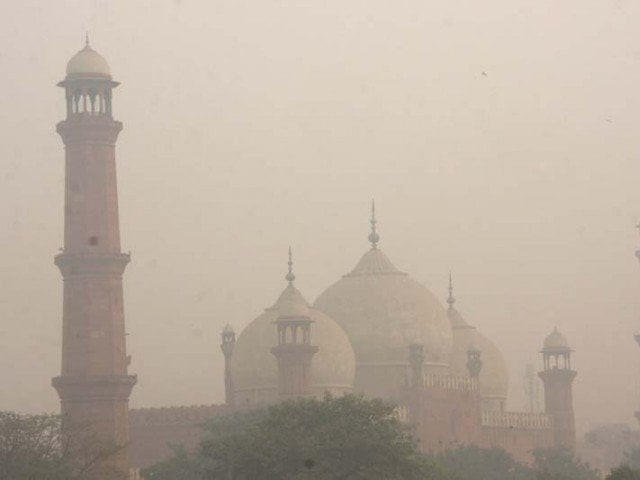
Air pollution cuts Pakistani life expectancy by 3.9 years, report finds
PAQI's national emissions inventory puts the annual economic cost at 6.5pc of GDP and warns Lahore residents could lose up to seven years.
Toxic smog returns to Lahore as air quality hits dangerous levels
Dunya News reports a high alert over pollution in the city while The Express Tribune says the smog has returned, with neither report carrying air quality figures.
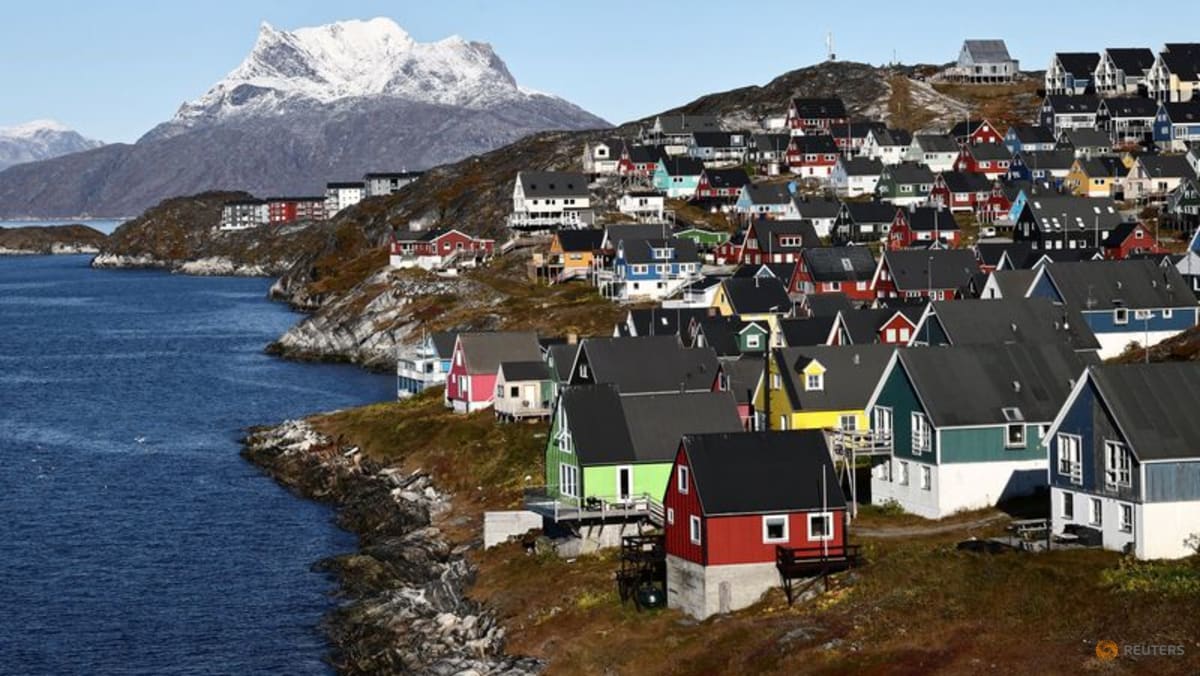
Greenland parliament ratifies Trump security deal, 16 to none
The agreement opens the Arctic island to two new US military bases and the Golden Dome missile shield while reaffirming Danish sovereignty.

Britain sets 10-year settlement wait for some migrants
Home Secretary Shabana Mahmood eased a planned crackdown on social care workers after objections from Labour lawmakers, as the government tightens settlement rules.

Two UN reports warn 1.5C overshoot will irreversibly damage Earth's ice
The studies say glaciers, sea ice and frozen ground face impacts that cannot be undone, and call for action to keep warming inside the Paris Agreement limit.
WHO chief presses Geneva negotiators to finish pandemic treaty
Tedros Adhanom Ghebreyesus cites the Ebola Bundibugyo outbreak in DR Congo and hantavirus cases this year, with benefit-sharing rules still unresolved.