



Mustafa Kamal ties flat GDP growth to 3.5 fertility rate
Speaking at a startup dialogue at Karachi's NED University, the health minister said 12 million Pakistanis were pushed into poverty by medical bills.
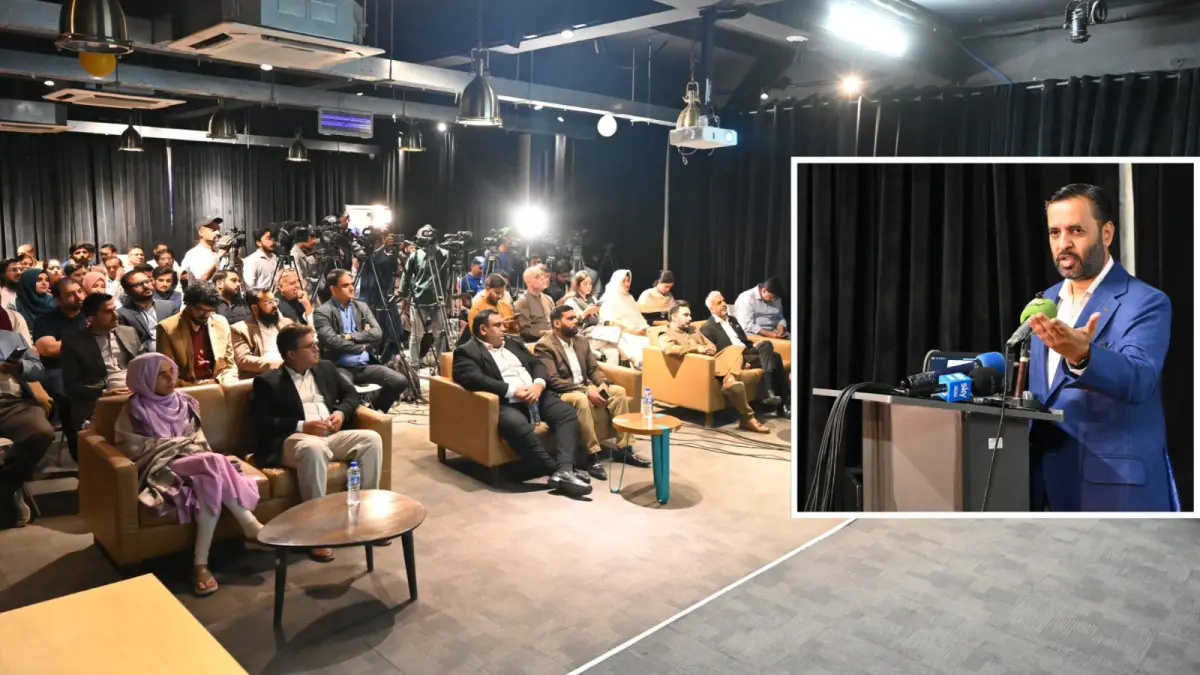
Federal Minister for National Health Services Syed Mustafa Kamal said on Friday that a fertility rate of 3.5 children per woman keeps Pakistan's economic growth at zero, because output and population are both rising at about 2.5% a year.
He was chief guest at Healthtech 2026, a startup-government dialogue titled "Innovating for a Healthier Pakistan" held by NIC Karachi at the NED University of Engineering and Technology. NIC Karachi is an Ignite initiative under the Ministry of IT and Telecom.
"With this fertility rate, we cannot make this country economically viable," Kamal said. "Pakistan GDP grows by 2.5%. If our population also grows by 2.5%, this means the GDP growth remains at zero."
He said the rate has to come below 1.5, and that Iran, Bangladesh and Sri Lanka had brought theirs below that level before achieving growth.
Citing the World Health Organisation, he said 12 million people had fallen below the poverty line in recent years because of the cost of treatment. "These people were not necessarily poor to begin with. They were forced to sell their homes, land, and jewellery to pay for medical treatment," he said.
Kamal said about 6.7 million children are born in Pakistan every year, which he described as adding a population larger than New Zealand annually and Australia's population every five years. Around 11,000 mothers die each year from pregnancy-related complications, and 43% of children are stunted, he said.
He put the number of children dying each year from preventable health causes at about 400,000, or roughly 1,300 a day. "Many of these deaths could have been avoided through timely healthcare, proper nutrition and preventive interventions," he said.
On hepatitis C, the minister said about 11 million people are affected. He referred to the prime minister's screening initiative and said untreated patients risk liver cancer, urging startups to work on prevention as well as treatment.
APP and UrduPoint reported that Kamal also told the gathering that the failure to empower local governments had compelled MQM-P to support administrative units. Local bodies, he said, do not even have the authority to install manhole covers, and Karachi was being denied its rightful share of resources because its actual population is not properly counted.
NIC introduced two of its graduates at the event, The Disrupt Labs and Saheli, both working in health technology.
How the reports differ
Business Recorder led on Kamal's remarks about fertility, population growth and health costs, carrying his figures on annual births, maternal deaths, stunting and child mortality. APP and UrduPoint led instead on local government, reporting that he said the failure to empower local councils had pushed MQM-P to back administrative units. UrduPoint put in its headline that Karachi is denied resources because its population is not properly counted, a framing the other two did not carry in their headlines.
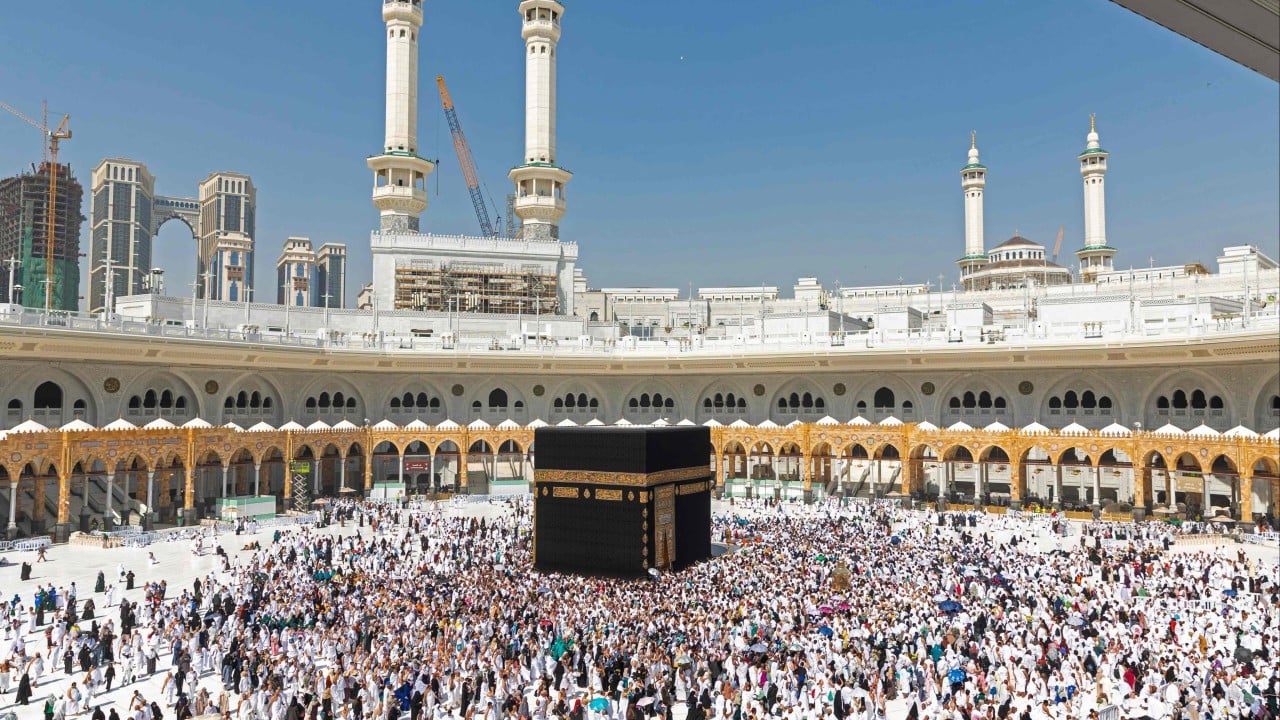
Pew projects Islam to overtake Christianity as largest religion by 2035
Muslim families have more children than Christians or followers of other faiths, Pew says, projecting 2.57 billion Muslims against 2.52 billion Christians in 2035.
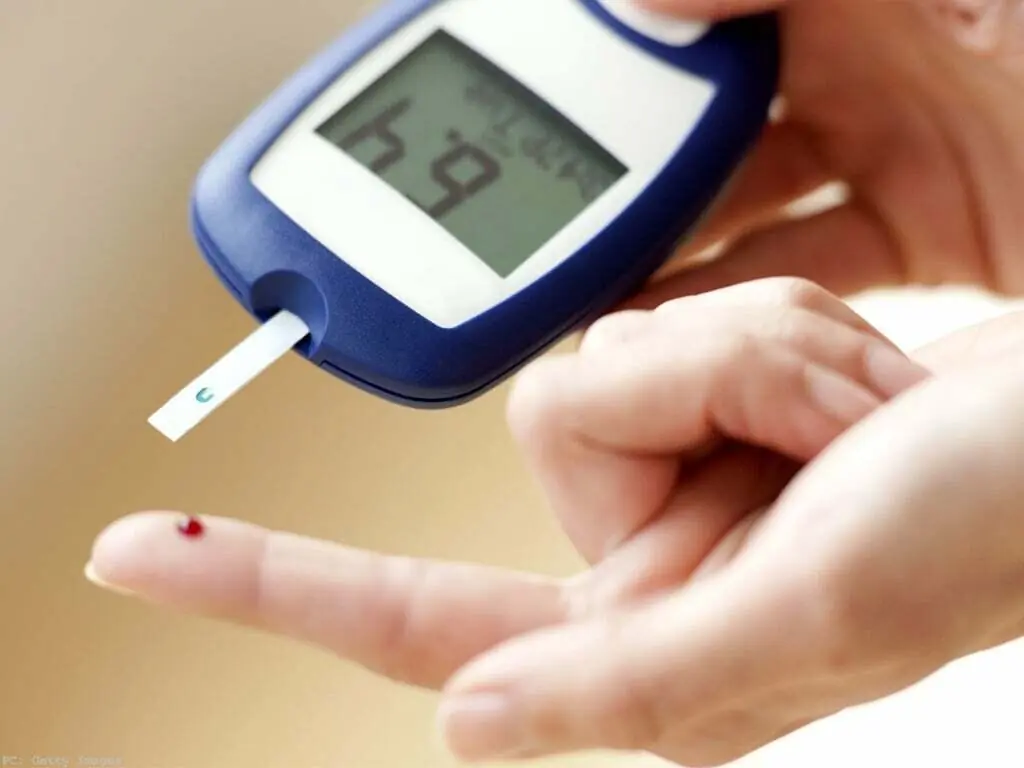
AKUH doctors flag diabetes risk among younger adults in Pakistan
Hospital roundtable hears that 34.5 million Pakistani adults live with diabetes, 9.3 million of them undiagnosed, with the count projected to reach 70.2 million by 2050.

Free hepatitis C treatment centre opens at Astore DHQ Hospital
Commissioner Diamer-Astore Division Azeemullah Khan inaugurated the centre and said hepatitis C treatment, usually expensive for ordinary families, will now be free.
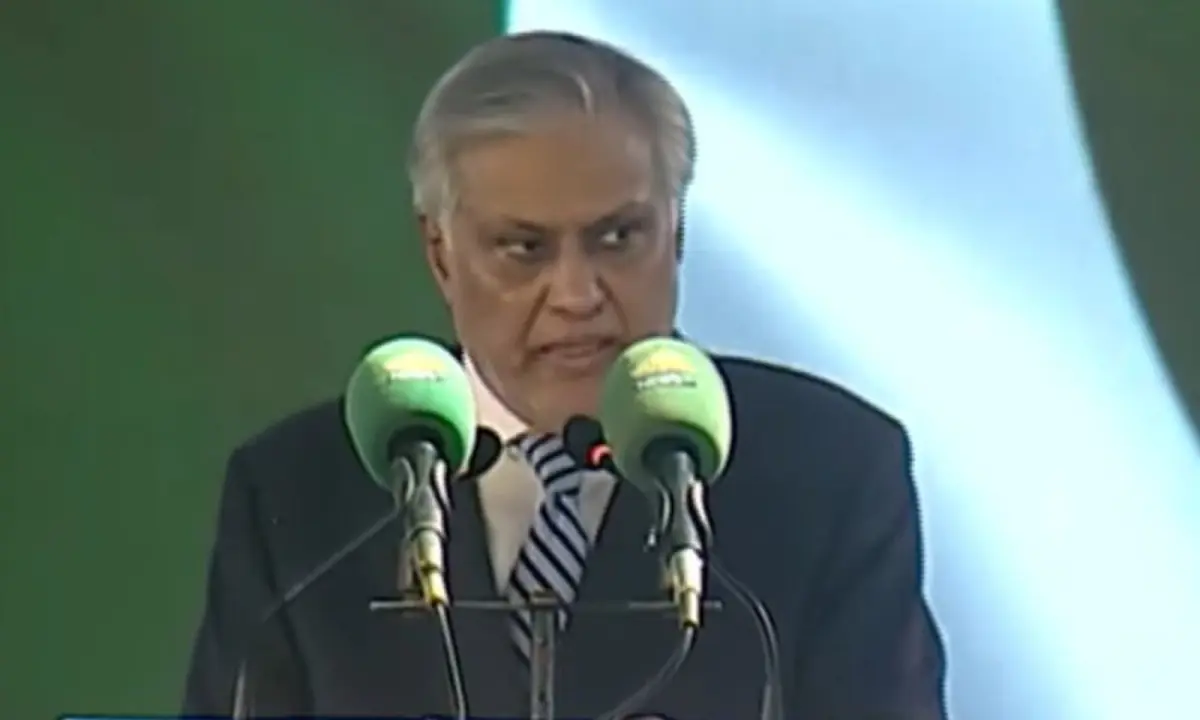
Dar puts Pakistan's natural resources at $8 trillion to $10 trillion
Speaking at a Karachi ceremony for Turkey's seismic vessel Oruç Reis, the deputy prime minister said government debt stands near $100bn against resources he valued at up to $10tr.

Sindh cabinet approves 500 electric buses for Karachi
The Rs37.97 billion deal with Heavy Industries Taxila covers 17 routes, three depots and 125 charging units, decided at a 21-point meeting chaired by Murad Ali Shah.
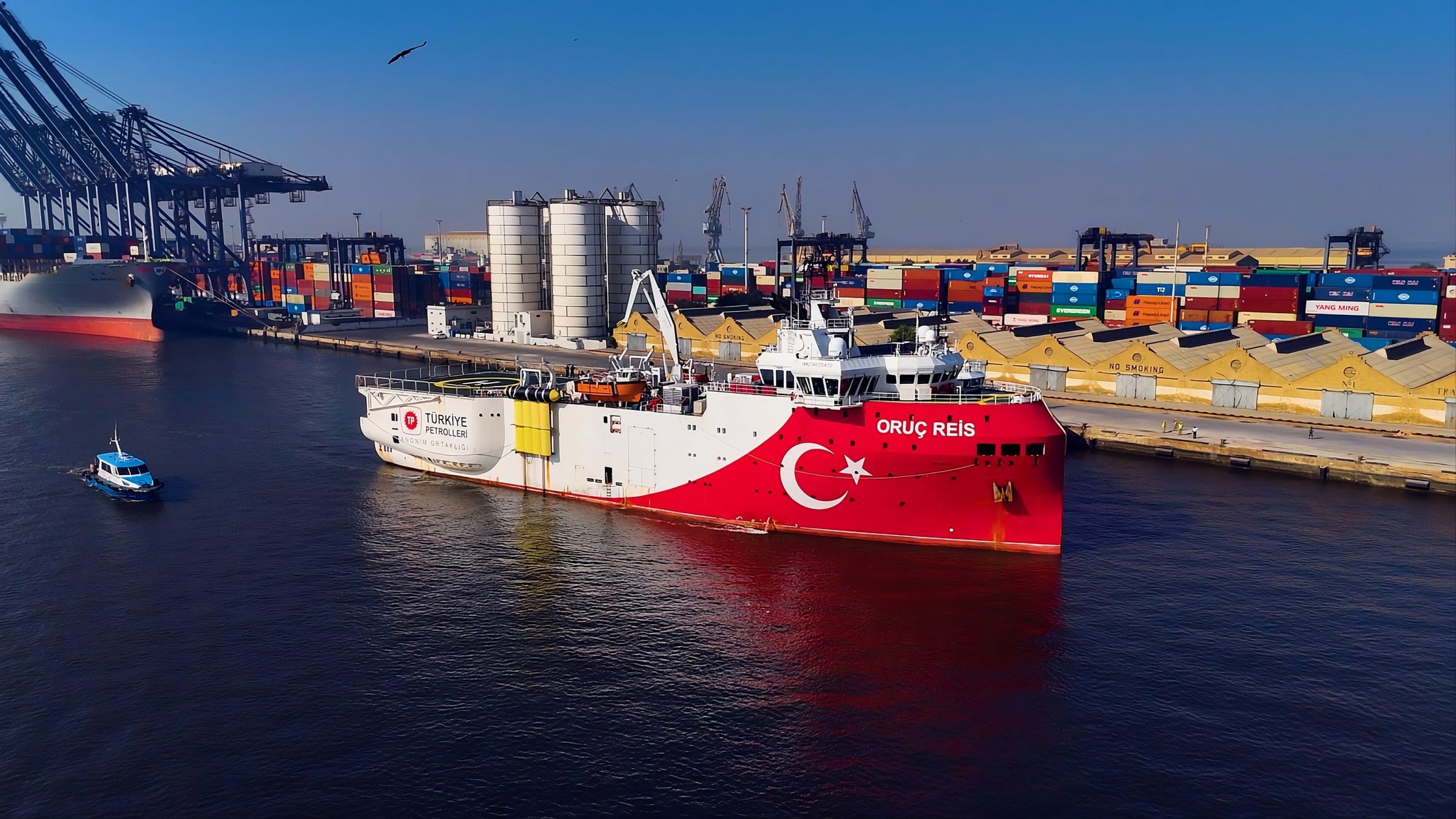
Turkish survey vessel Oruç Reis docks in Karachi for offshore search
The ship will collect 2D and 3D seismic data at two sites inside Pakistani waters, with Energy Minister Alparslan Bayraktar due at a port ceremony on Friday.

Analysts read Bilawal's remarks as hint of new opposition bloc
MQM-P's Khalid Maqbool Siddiqui rejected the PPP chairman's warning of bloodshed over new provinces and asked courts to take suo motu notice.

Sindh Assembly unanimously passes anti-terrorism law amendment
The bill designates an in-charge judge where a district has more than one anti-terrorism court and sets a 10-day deadline for agreeing a panel of judges.