



New Zealand's Luxon needs centrist Opportunity party to govern
The final count leaves the National-led bloc one seat short of a majority, with Qiulae Wong's seven-seat party holding the balance.

New Zealand's ruling coalition has fallen one seat short of a parliamentary majority in the final count of the 7 November election, leaving a newly formed centrist party to decide who governs.
The National Party, led by Prime Minister Christopher Luxon, took 40 of the 130 seats in the Electoral Commission's final tally released on Friday. Its partners ACT won 13 and New Zealand First 12, giving the bloc 65 seats against the 66 needed.
The Opportunity Party, entering parliament for the first time with seven seats, holds the balance. Neither bloc can govern without it: Labour on 36 seats, the Greens on 17 and Te Pāti Māori on five total 58. Labour leader Chris Hipkins said on Friday his party had run "an incredible campaign" but had no negotiating power, even though it won the larger share of party votes.
Euronews reported Labour took 29.88% of the party vote and National 28.35%, with 2.8 million ballots cast. The final tally added about 400,000 special votes, cast by New Zealanders abroad or outside their electorate, and cost National two seats compared with the preliminary count on election night.
Luxon had ruled out working with Opportunity before the vote, then reversed that position, saying he was confident of a deal with Opportunity, ACT and New Zealand First. "These negotiations may be challenging and they could take some time," he told reporters. "But getting it right matters far more than getting it done quickly."
Opportunity's leader, Qiulae Wong, a 38-year-old business consultant who took over the party less than a year ago, said all options remained on the table and that she would negotiate with National. Euronews reported she has ruled out joining a government in which New Zealand First's Winston Peters is foreign minister, citing his past remarks in parliament about Asian people, and that she would consider either a full coalition or a confidence and supply arrangement. Her party's five bottom-line policies include tougher climate action and an end to bottom-trawling.
If no deal is reached, the country faces a fresh election. Under New Zealand's mixed-member proportional system, voters cast one vote for a party and one for a local representative, and coalitions are the norm.
Both major parties campaigned amid voter frustration over living costs and unemployment. The BBC reported that a survey by the Helen Clark Foundation, a public policy think tank, found more than half of New Zealanders no longer see the country as a land of opportunity.
How the reports differ
Euronews carried most of the detail on the shape of the vote: 2.8 million ballots cast, about 400,000 special votes, the 29.88% to 28.35% party-vote split between Labour and National, and Qiulae Wong's refusal to serve in a government with Winston Peters as foreign minister. The BBC led on the lost majority and the prospect of a second election, and was alone in quoting voters directly and in citing the Helen Clark Foundation survey on declining optimism. The Guardian noted that preliminary results on 7 November had given National and its partners a two-seat majority, a lead the special votes erased. The Japan Times and CNA confined themselves to the official result and the possibility of a fresh election, with CNA framing it around Luxon's need to form a ruling coalition.

New Zealand election leaves National and Labour nearly deadlocked
With more than 95 percent of ballots counted, the two parties are a few thousand votes apart and coalition talks will decide who governs.

New Zealand election count leaves Labour level with National
About a third of the vote is counted, neither bloc has a majority, and the centrist Opportunity party could enter parliament for the first time.

Myanmar and Syria lead as landmine casualties hit five-year high
The International Campaign to Ban Landmines recorded 6,929 people killed or wounded in 2025, most of them civilians, as five European states quit the treaty.

Taiwan tells Meta thousands of China-linked accounts target elections
The complaint to Meta, reported by Reuters, comes as BBC Verify finds a China-linked AI network attacking DPP figures before mayoral and county votes.
Asian stocks rebound as tech shares steady and tariff fears ease
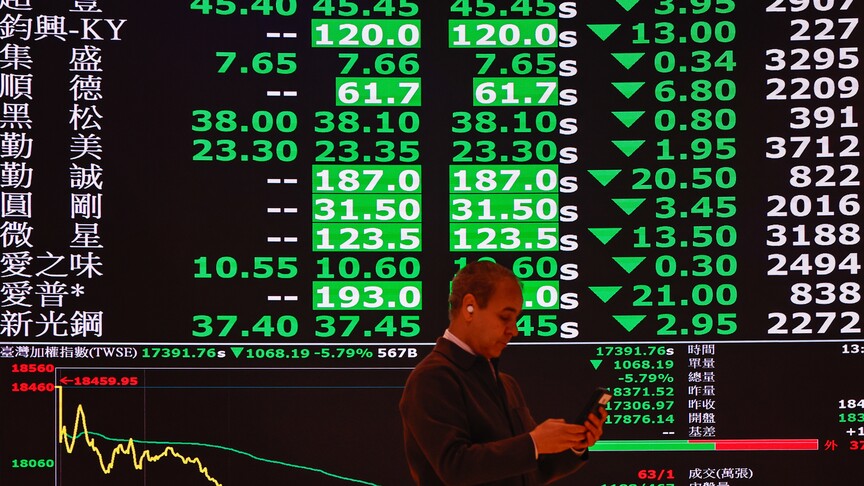
Japan's Nikkei and Europe's main indexes rose after Wall Street's AI shares steadied, while Asian governments criticised a new round of US tariffs.

China investigates Politburo member and Shanghai chief Chen Jining
State broadcaster CCTV reported the party secretary of Shanghai is suspected of "serious breaches of discipline and law", a phrase used for corruption.

Solomon Islands signs security treaty naming Australia primary partner
Canberra commits US$490 million over ten years for free education and other programmes under a pact that the BBC says ends Honiara's security arrangement with China.
South Korea education minister resigns over AI exam cheating
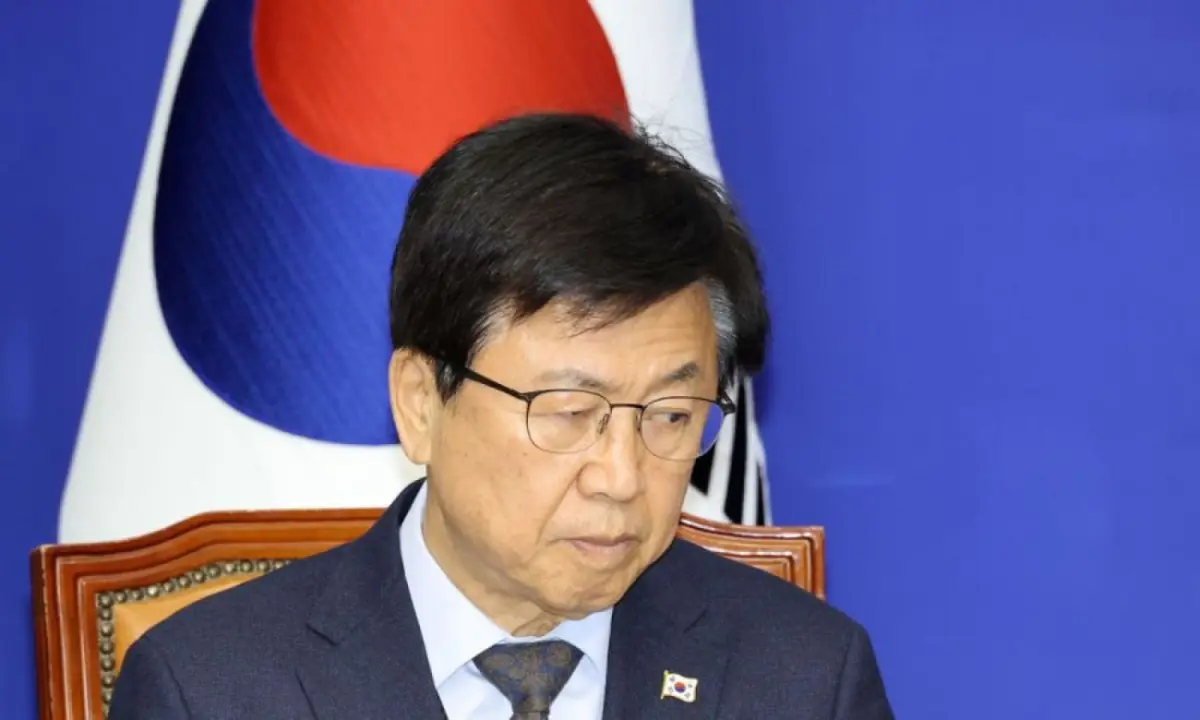
Choi Kyo-jin takes responsibility for last-minute security measures that sent emergency alerts to phones across the country during Thursday's Suneung.