



Solomon Islands signs security treaty naming Australia primary partner
Canberra commits US$490 million over ten years for free education and other programmes under a pact that the BBC says ends Honiara's security arrangement with China.

Solomon Islands and Australia have signed a security treaty that names Australia as the island nation's primary security partner, with Canberra committing US$490 million over ten years to fund free education and other programmes, according to CNA.
Reuters, the Associated Press, the BBC and The Japan Times reported the signing. Each account tied the treaty to China's position in the South Pacific, though they described its effect on Solomon Islands' earlier security arrangement with Beijing in different terms.
The BBC reported that the new treaty ends the controversial security pact Solomon Islands held with China. Reuters called the signing a blow to China. The Associated Press said the treaty checks China's influence in the South Pacific, and The Japan Times said Australia had edged China out of a Pacific foothold.
CNA reported the US$490 million Australian commitment over a decade and said the treaty cements Australia as the Solomons' "primary security partner". The Japan Times also used the phrase "primary security partner". No other outlet in the group carried the funding figure.
Solomon Islands leader Matthew Wale said his country would no longer be a point of regional uncertainty, the BBC reported. He was the only official named in the accounts.
What the reports published was limited. None gave the text of the treaty, the date or place of the signing, the terms of the China pact it affects, or statements from the Australian or Chinese governments. The details that establish the substance of the agreement, the money and the "primary security partner" designation, came from CNA's report.
Solomon Islands is a Pacific island state that has been the subject of competition between Australia, its large neighbour and traditional security guarantor, and China.
How the reports differ
Reuters and The Japan Times both led on what the treaty costs Beijing, calling the signing a blow to China and saying Australia had edged China out of a Pacific foothold, while the Associated Press said the treaty checks Chinese influence. The BBC led instead with the ending of Solomon Islands' controversial security pact with China, and was alone in quoting Solomon Islands leader Matthew Wale, who said the country would no longer be a point of regional uncertainty. CNA alone reported the US$490 million in Australian funding over ten years, and joined The Japan Times in using the phrase "primary security partner". CNA described the agreement as sweeping and said it stymies China, language none of the others used.
Watch
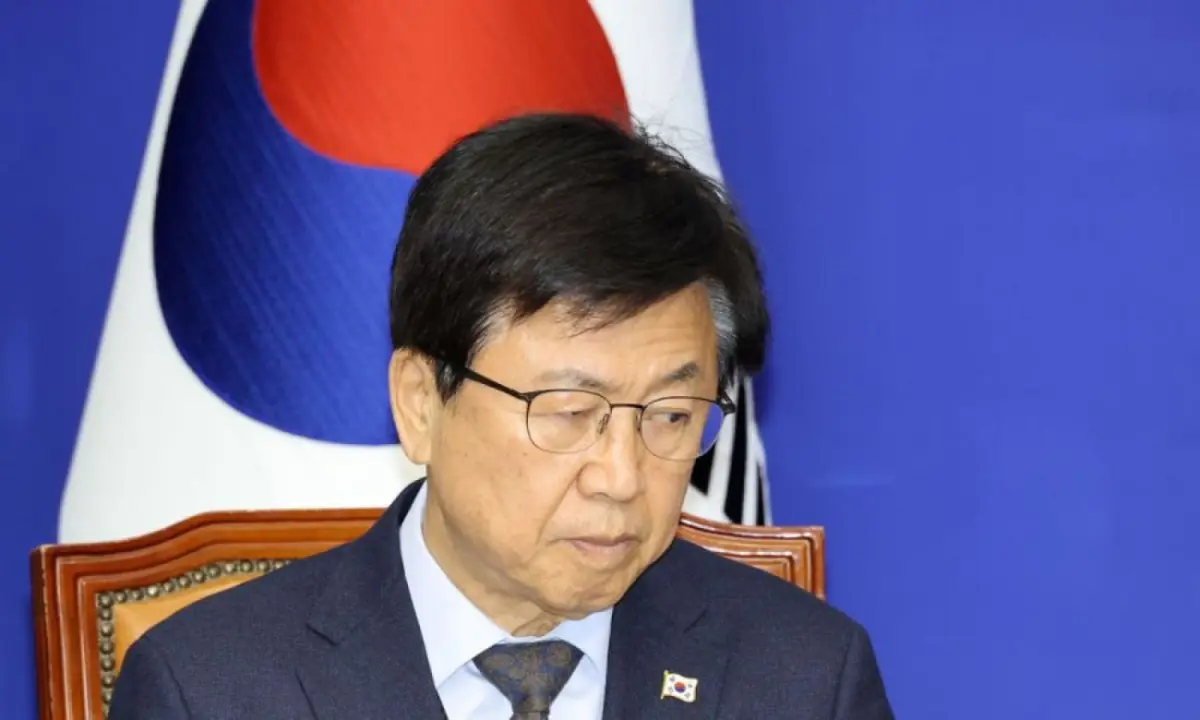
South Korea education minister resigns over AI exam cheating
Choi Kyo-jin takes responsibility for last-minute security measures that sent emergency alerts to phones across the country during Thursday's Suneung.

South Korea scrambles jets as Russian warplanes near Ulleung airspace
Seoul issued a three-minute shelter warning for the island's 9,000 residents and lodged a protest with Moscow's military attaché.
UK sanctions five Myanmar military figures after genocide ruling
Fourteen countries from Europe, Africa and Oceania also acknowledged the ICJ ruling and urged Myanmar to meet its obligations under international law.
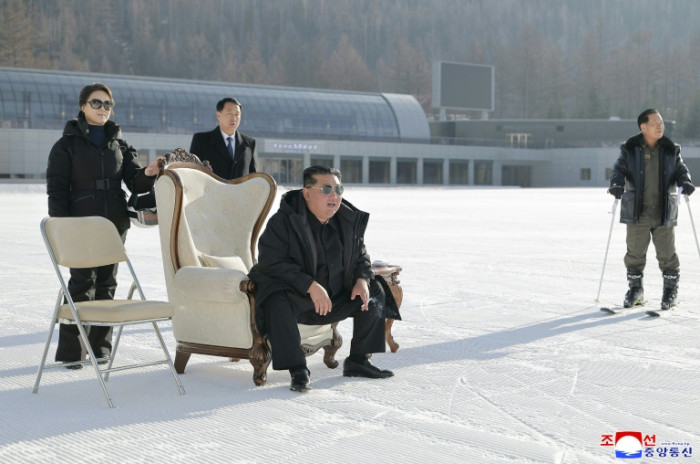
Trump leaves Asia without meeting North Korea's Kim Jong Un
Kim spent the week at a ski resort, Mount Paektu and a naval university, while Trump said there had been 'too many meetings' to arrange a summit.
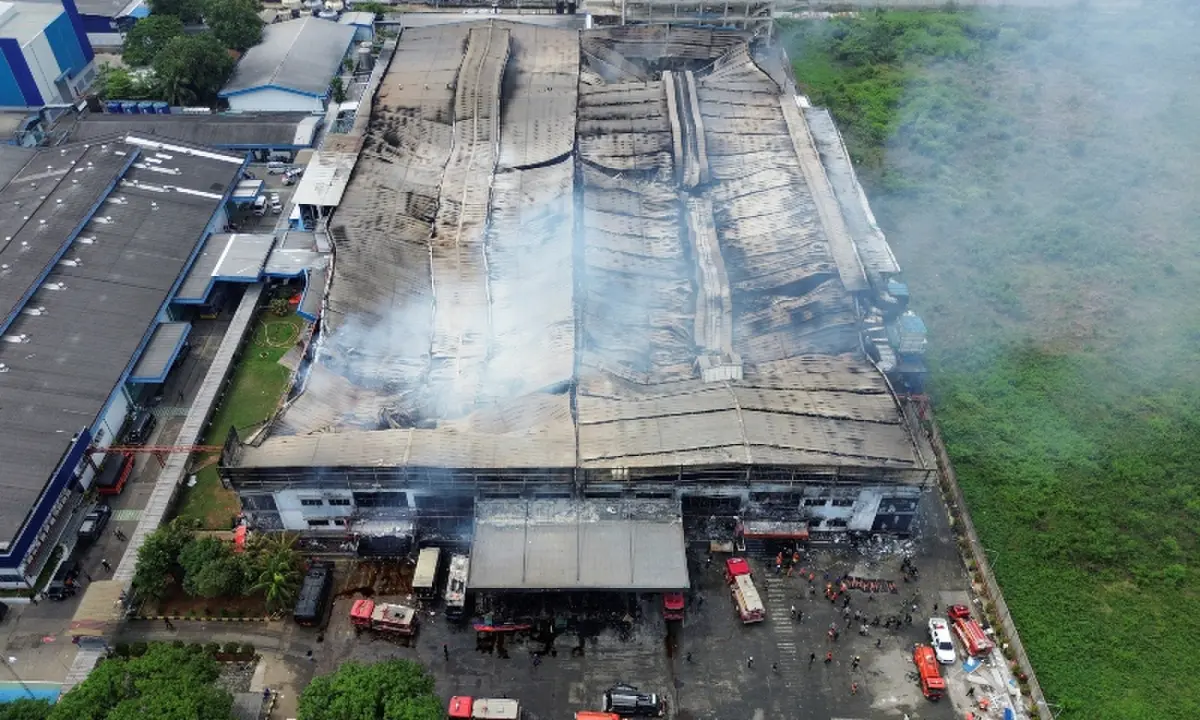
Indonesia factory fire kills three, rescuers seek 36 missing
The Banten governor said about 60 workers were inside the confectionery plant in Serang when it caught fire on Saturday afternoon.
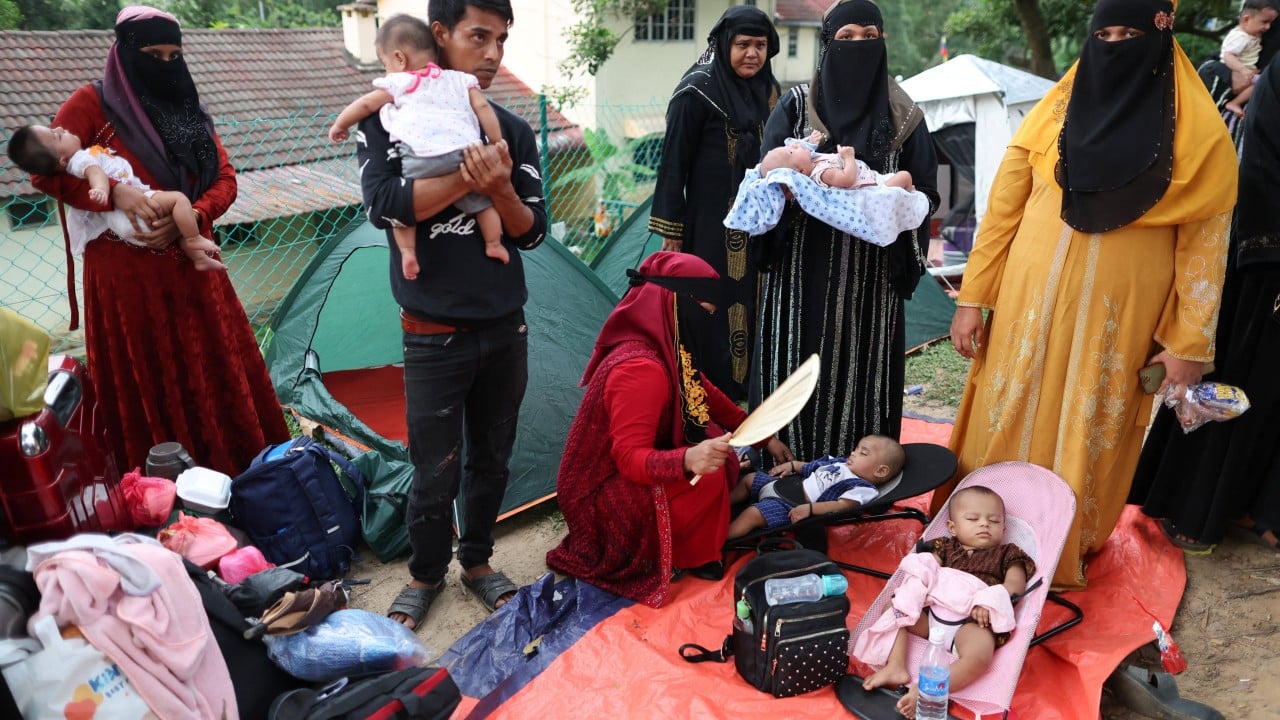
Malaysia plans to resettle 10,000 Rohingya refugees in Turkey
Deputy Prime Minister Ahmad Zahid Hamidi said the cabinet approved the plan a day after the ICJ found Myanmar guilty of genocide against the Rohingya.

Xi, Trump and Putin hold first trilateral summit in Shenzhen
A joint statement said the three countries would raise refined oil supplies and open talks on nuclear risk, in a meeting the AP said produced no breakthroughs.

Binance plans five new Asian markets after $6.3bn crypto heist
SB Seker says three of five or six negotiations are mature, with South and Southeast Asia the priority and details due in the first quarter.