



Pakistan exempts kinnow and potato exports to Russia from financing rule
The one-time waiver runs to 15 May 2027 and covers sea and land routes, after Moscow lifted phytosanitary curbs on potatoes from Punjab in April.
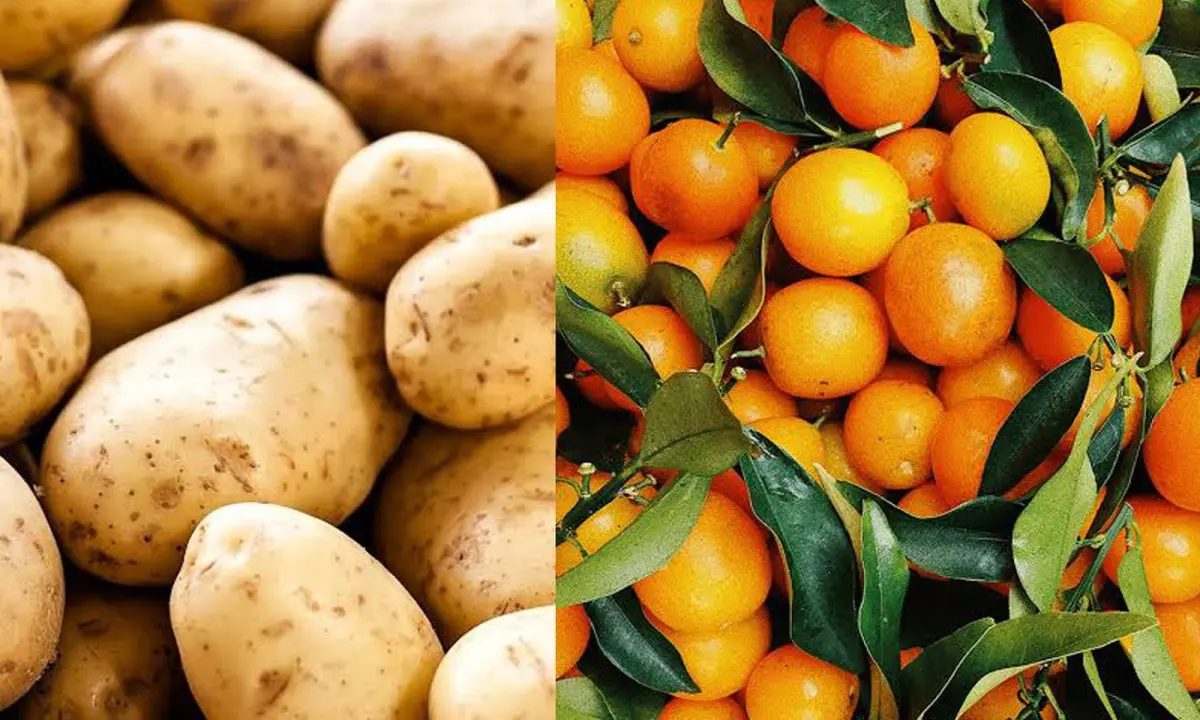
Pakistan has exempted kinnow and potato shipments to Russia from the financial instrument requirement, in a one-time waiver that runs until 15 May 2027 and applies to both sea and land routes.
An official memorandum, a copy of which Business Recorder reported it had seen, lists three product categories covered by the exemption: potatoes under HS Code 0701.9000, kinnow and mandarins under 0805.2100, and other mandarins under 0805.2910. Exporters shipping those goods to the Russian Federation will not have to meet the financial instrument condition for the duration of the waiver.
Pakistan granted a similar one-time exemption in December 2025 for kinnow and potato exports to member countries of the Commonwealth of Independent States through Iran's land route. The CIS was set up in December 1991 after the break-up of the Soviet Union and has nine full members: Armenia, Azerbaijan, Belarus, Kazakhstan, Kyrgyzstan, Moldova, Russia, Tajikistan and Uzbekistan.
In February this year the two governments agreed to expand direct land and air links to increase regional trade and economic activity.
In April, Russia's Federal Service for Veterinary and Phytosanitary Surveillance, Rosselkhoznadzor, allowed the import of potatoes from Punjab into the Russian Federation, ending phytosanitary restrictions that had been in place since May 2025.
Potatoes are among Pakistan's most important food crops after wheat, rice and maize, and the area under the crop has expanded from about 177,700 hectares in 2015-16 to roughly 462,160 hectares in 2025-26, an increase of about 160 per cent. The 2025-26 harvest reached about 12 million tonnes.
The kinnow season usually runs from December to April, with January and February the peak months.
In December 2025 the All Pakistan Fruit and Vegetable Exporters, Importers and Merchants Association set a kinnow export target of 300,000 tonnes, a quantity it expected to generate $110 million in foreign exchange.
Business Recorder reported that experts put the potential for citrus export earnings at $400 million within five years, contingent on introducing new varieties and improving supply chain efficiency.

German importers' body and APTMA agree to lift textile trade
VFI managing director Michael Arretz says the German government-funded association represents more than 300 companies and favours Pakistan as China's textile environment shifts.

Pakistan, Maldives set up joint working group to lift trade to $200m
Maritime Affairs Minister Junaid Anwar Chaudhry says a Pakistani delegation of economic and industrial representatives will visit the Maldives soon as a follow-up.
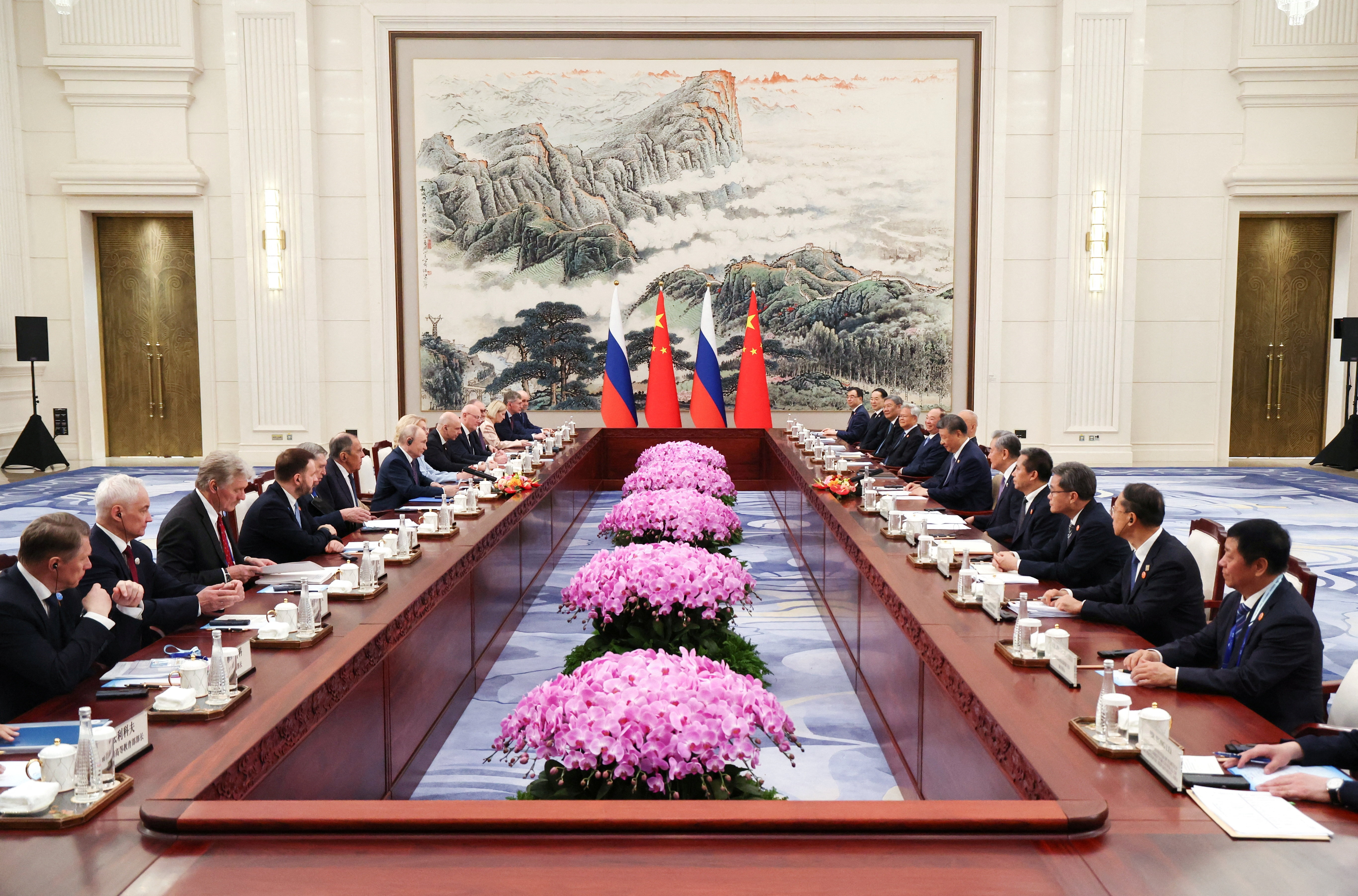
Xi and Putin attack sanctions at Shenzhen APEC summit
The Chinese and Russian presidents spoke a day before a three-way meeting with Donald Trump that smaller economies fear could redraw spheres of influence.

Pakistan sets five-year target of $1bn in gemstone exports
SAPM on Energy Zafar Iqbal told an Islamabad workshop the country holds about $450bn in gemstone reserves but ships only $5.8m a year in formal exports.
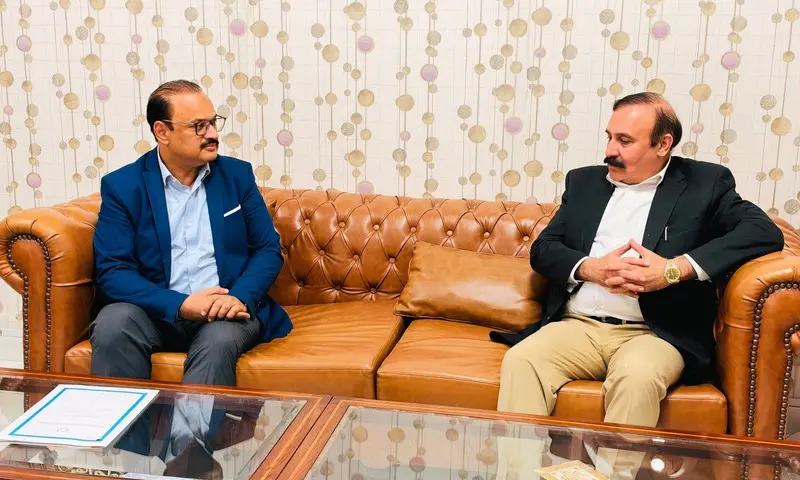
Government rejects PTI demand for equal seats on reforms committee
Parliamentary affairs minister Tariq Fazal Chaudhry says PTI will get seven members, five from the National Assembly and two from the Senate, in proportion to its strength.

PIA privatisation brings Rs90bn, second tranche due June 2027
Adviser Muhammad Ali told an Islamabad forum that state-owned enterprises lost Rs342.8bn in the first half of FY26 as government support rose 31% to Rs804bn.

Aurangzeb takes SME financing push to World Bank, IFC in Singapore
The finance minister met three institutions on the sidelines of the Singapore FinTech Festival, with officials aiming to double small business lending by June 2028.

NIH issues three winter health advisories on flu, smog and vaccination
The Centre for Disease Control directives ask hospitals and laboratories to strengthen surveillance, close immunisation gaps and prepare for a rise in respiratory cases.