



Xi and Putin attack sanctions at Shenzhen APEC summit
The Chinese and Russian presidents spoke a day before a three-way meeting with Donald Trump that smaller economies fear could redraw spheres of influence.
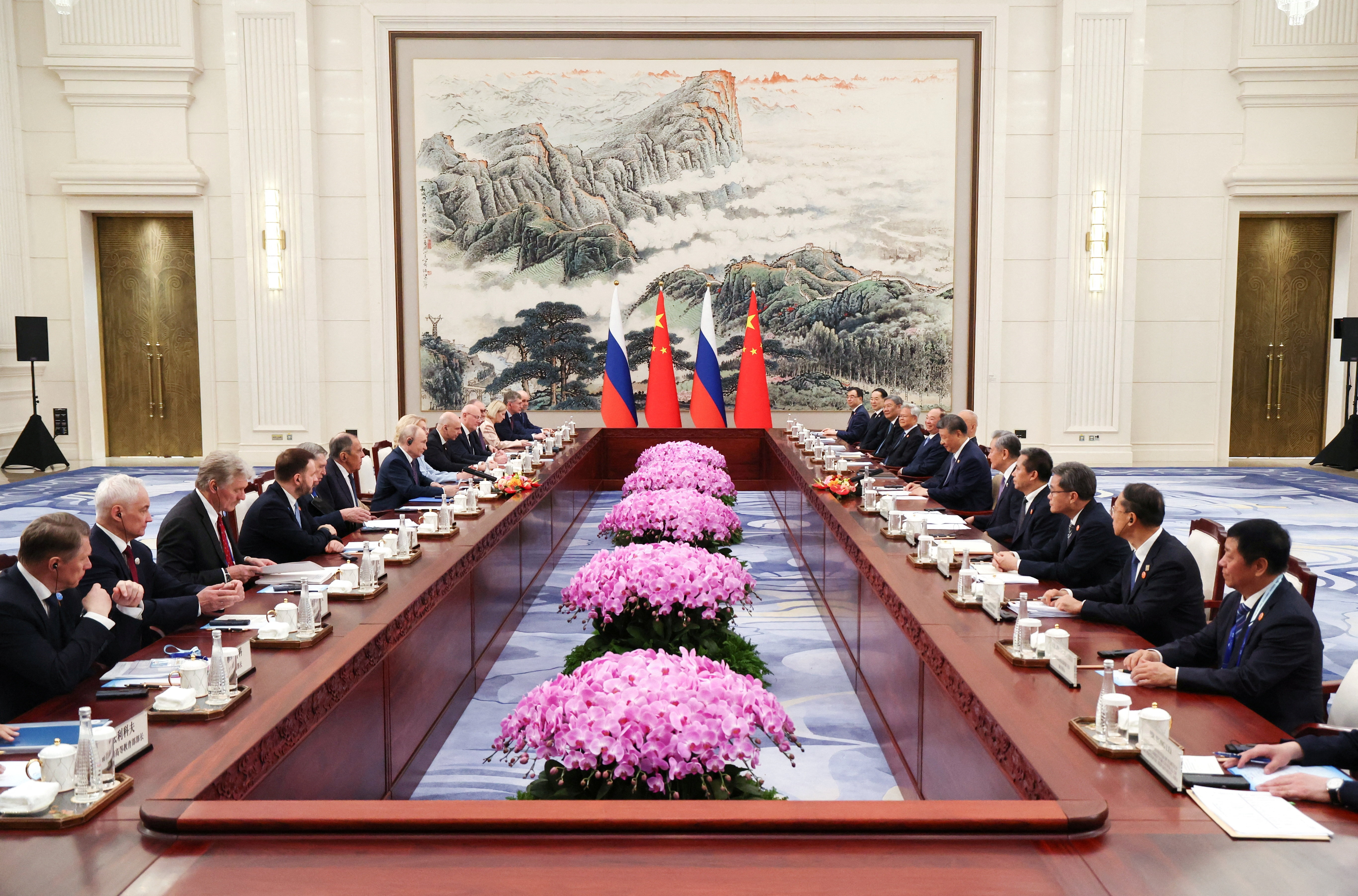
Xi Jinping and Vladimir Putin used an Asia-Pacific Economic Cooperation summit in Shenzhen on Wednesday to attack Western trade and financial restrictions, a day before a three-way meeting with US President Donald Trump.
The trilateral meeting is due on the sidelines of the summit on Thursday and is expected to cover Russia's war in Ukraine, the US war in Iran, trade, artificial intelligence and nuclear weapons, The Kathmandu Post reported. Trump was flying in from Manila, where he had been meeting regional allies, according to NBC News.
Xi told an audience of business executives that Beijing would defend "free and open trade" and the "rules-based multilateral trading system with the World Trade Organization at its core", The Kathmandu Post reported. He said China would lower tariffs and open its markets further while standing against protectionism and unilateralism, and would keep investing in its industrial complex and new technology.
His remarks followed a US announcement of further restrictions on China's access to advanced AI chips made by companies including Nvidia, a move that could complicate a fragile trade truce. China has pledged to retaliate, The Kathmandu Post reported. Washington, Brussels and other partners say Chinese supply-chain dominance gives Beijing geopolitical leverage and threatens their industries. Beijing says its growth model suits an economy still catching up with the richest.
Putin spoke after Xi and called Western powers "former hegemons". He said anti-Russian sanctions imposed after his invasion of Ukraine had backfired and made his country stronger. "Experience has shown that the traditional tools of economic dominance and de facto coercion have largely run their course," he said, adding that sanctions, tariffs and export restrictions cannot halt growth. He described the world as turbulent, with a fragmenting global economy and rising military-political risks, and said disagreements can be settled by "sitting at the table".
The gathering has been compared to the 1945 Yalta conference, which shaped the post-war order and became shorthand for great-power deals imposed on smaller countries. Leaders of smaller economies in Europe and Asia have been unsettled by the prospect, The Kathmandu Post reported. The Kremlin dismissed the comparison as "games of political scientists" while saying the meeting would have a major impact on global affairs. Beijing called it of "groundbreaking significance" and said it would promote world peace.
Putin spoke after Ukraine destroyed the Kerch road bridge linking Crimea to Russia, a blow to his four-year war, The Kathmandu Post reported. Taiwan and Japan flagged incursions by Russian aircraft into their airspace on Tuesday. Trump has floated a possible meeting with North Korea's Kim Jong Un, which has not been confirmed.
Analysts quoted by The Kathmandu Post expect Washington and Beijing to keep ties relatively stable, with Trump and Xi due to meet a fourth time this year at the Group of 20 summit in Miami in December.
How the reports differ
NBC News led with Trump's arrival in Asia ahead of what it called a high-stakes meeting with Xi and Putin, while Reuters, The Japan Times, U.S. News & World Report and The Kathmandu Post led with the two leaders' speeches. The Japan Times framed those remarks as attacks on Western "protectionism" as well as sanctions; Reuters' headline named only sanctions. The Kathmandu Post's account added the comparison with the 1945 Yalta conference, the Kremlin's dismissal of it, the Ukrainian attack on the Kerch bridge and the Russian aircraft incursions flagged by Taiwan and Japan.
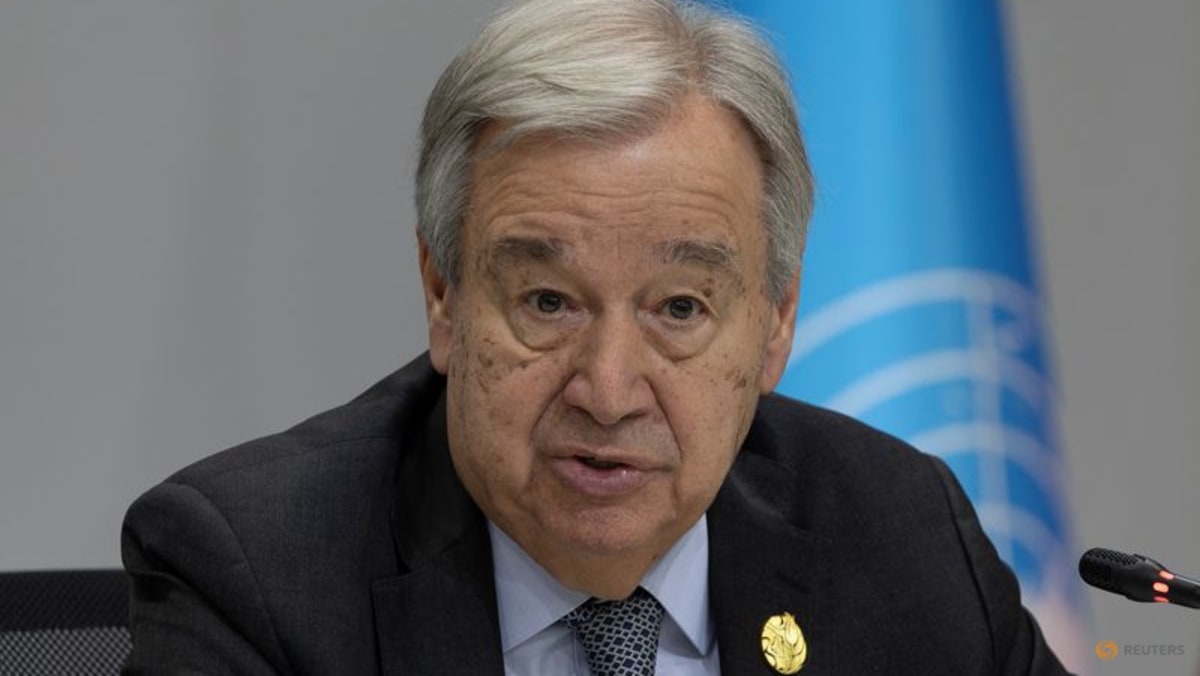
Guterres says UN ready to back US-China-Russia nuclear cuts
Speaking at the ASEAN summit in Manila, the UN chief said no arms deal is guaranteed as Trump prepares to press Putin and Xi in Shenzhen.
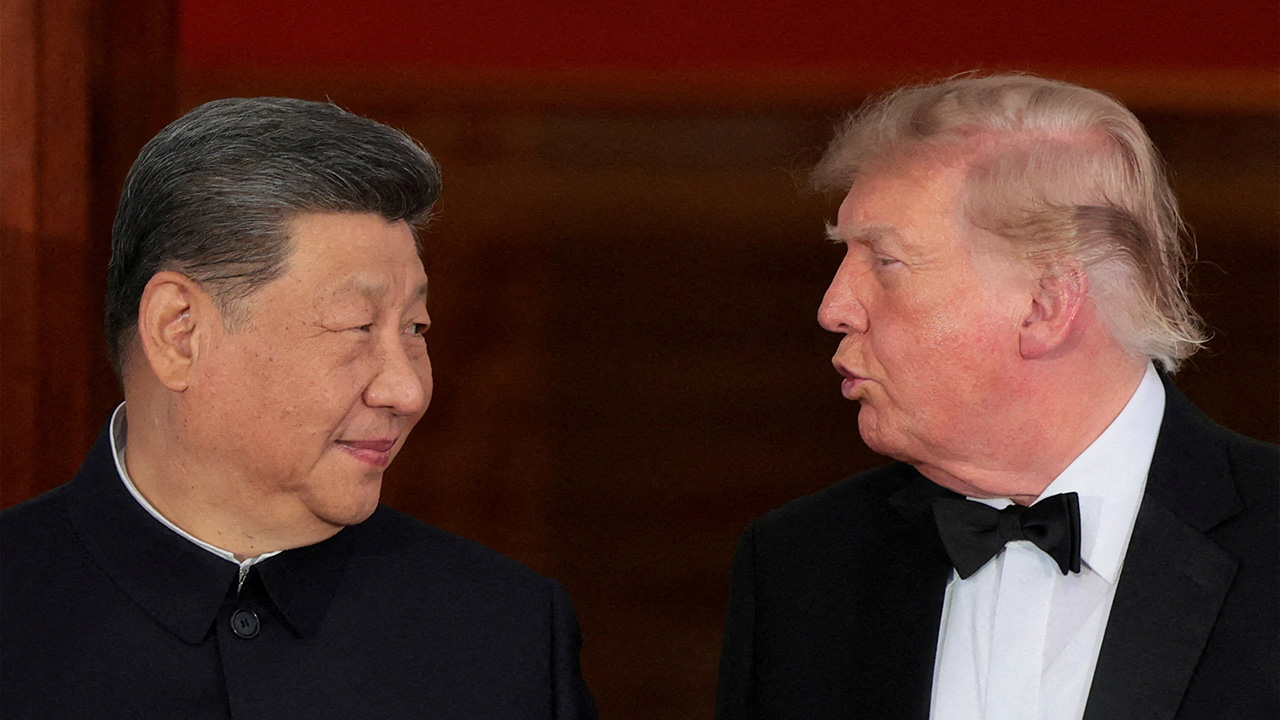
Trump heads to Asia for Shenzhen summit with Xi and Putin
The US president travels after midterm losses and a spy scandal involving Nvidia's Jensen Huang, with a $14bn Taiwan arms package on Beijing's wish list.
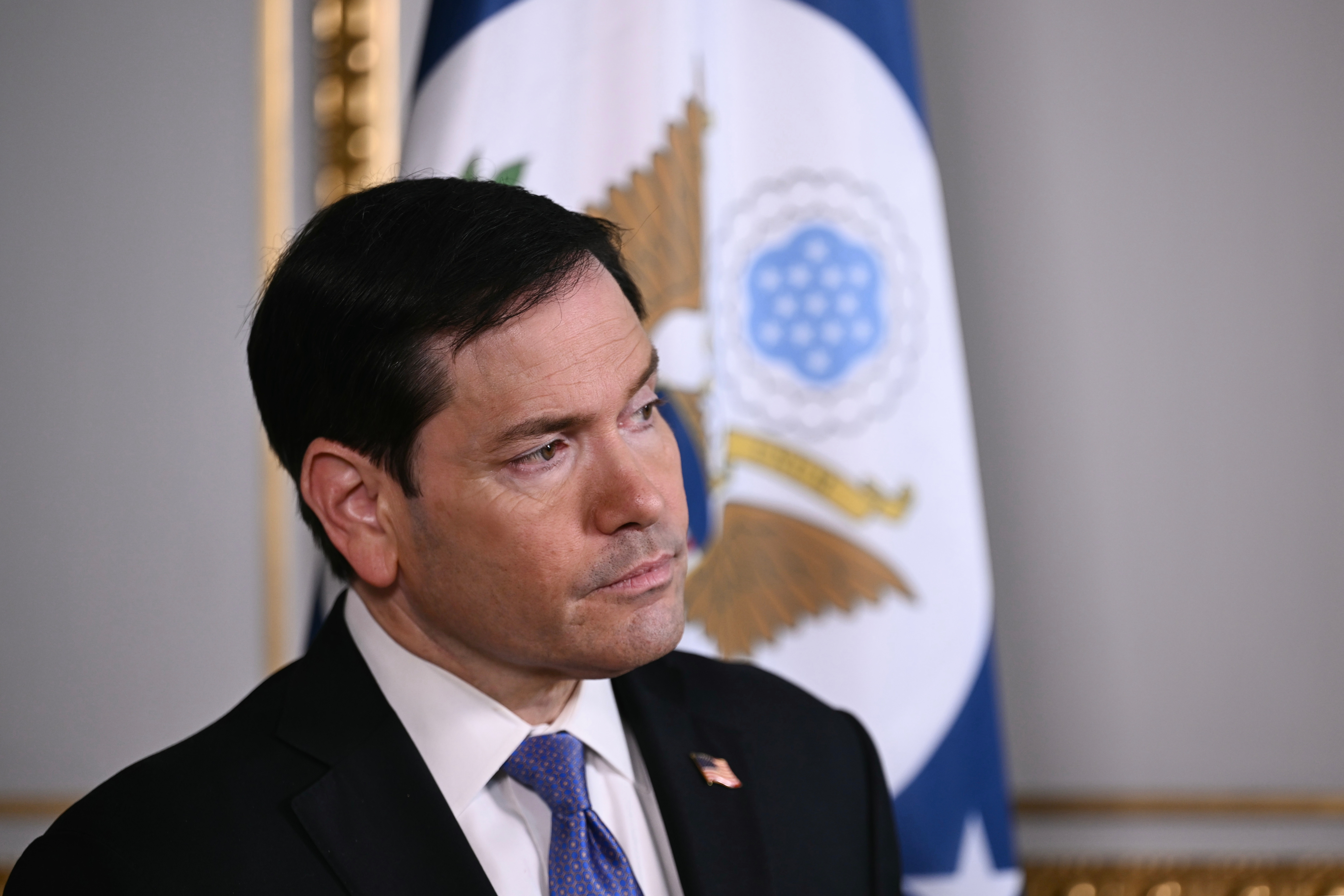
Rubio warns ICC against enforcing laws Washington rejects
The secretary of state told a conservative lawyers' convention the court is "accountable to none," a month after Washington announced sanctions on the tribunal.
Rubio says no major combat against Iran needed, citing sanctions
The US secretary of state points to economic pressure on Tehran, while the five accounts differ on how firm the judgement is and whether diplomacy is advancing.

South Korea and US issue urgent Java patch advisories
A security firm says the bug in the language used by banks, hospitals and governments went undetected for 12 years.
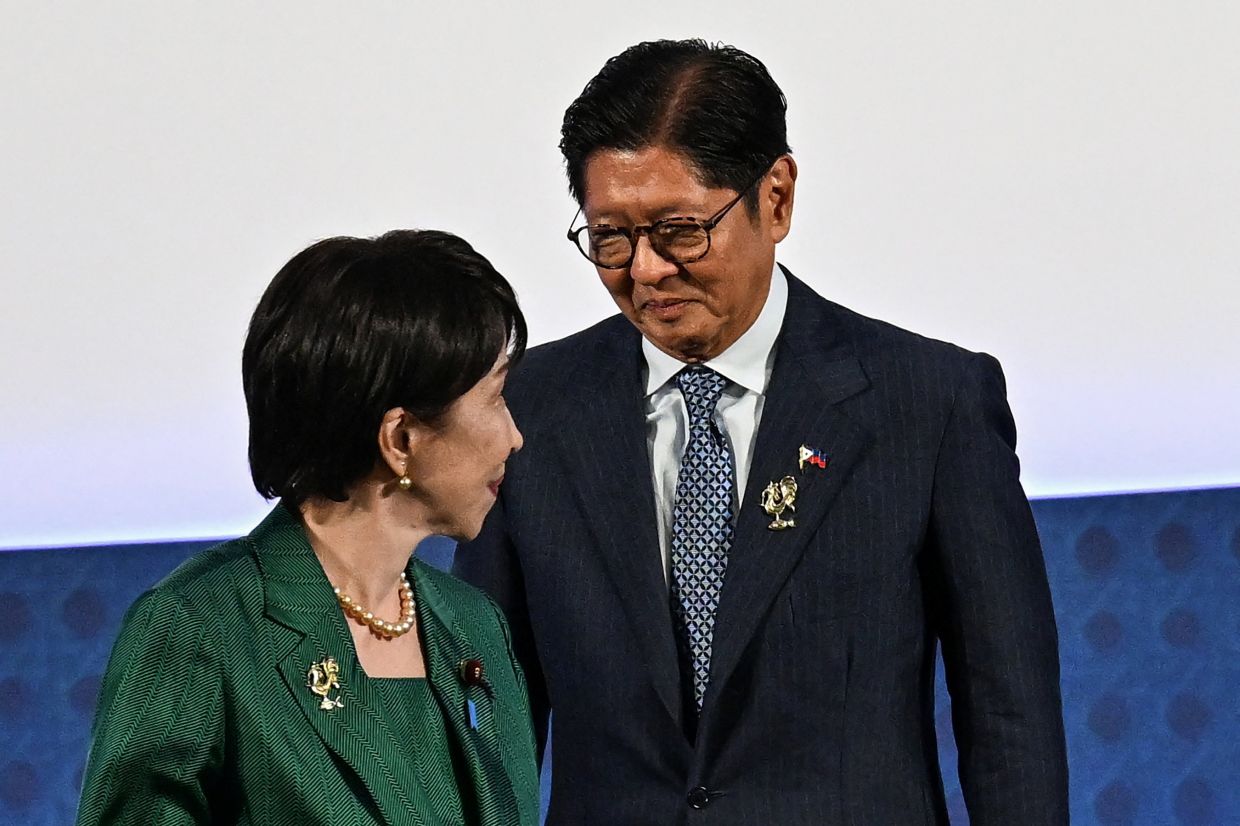
ASEAN draws record $246bn in foreign investment, overtaking East Asia
The ASEAN Investment Report 2026 says the bloc's share of global inflows passed East Asia's for the first time since the early 1990s.
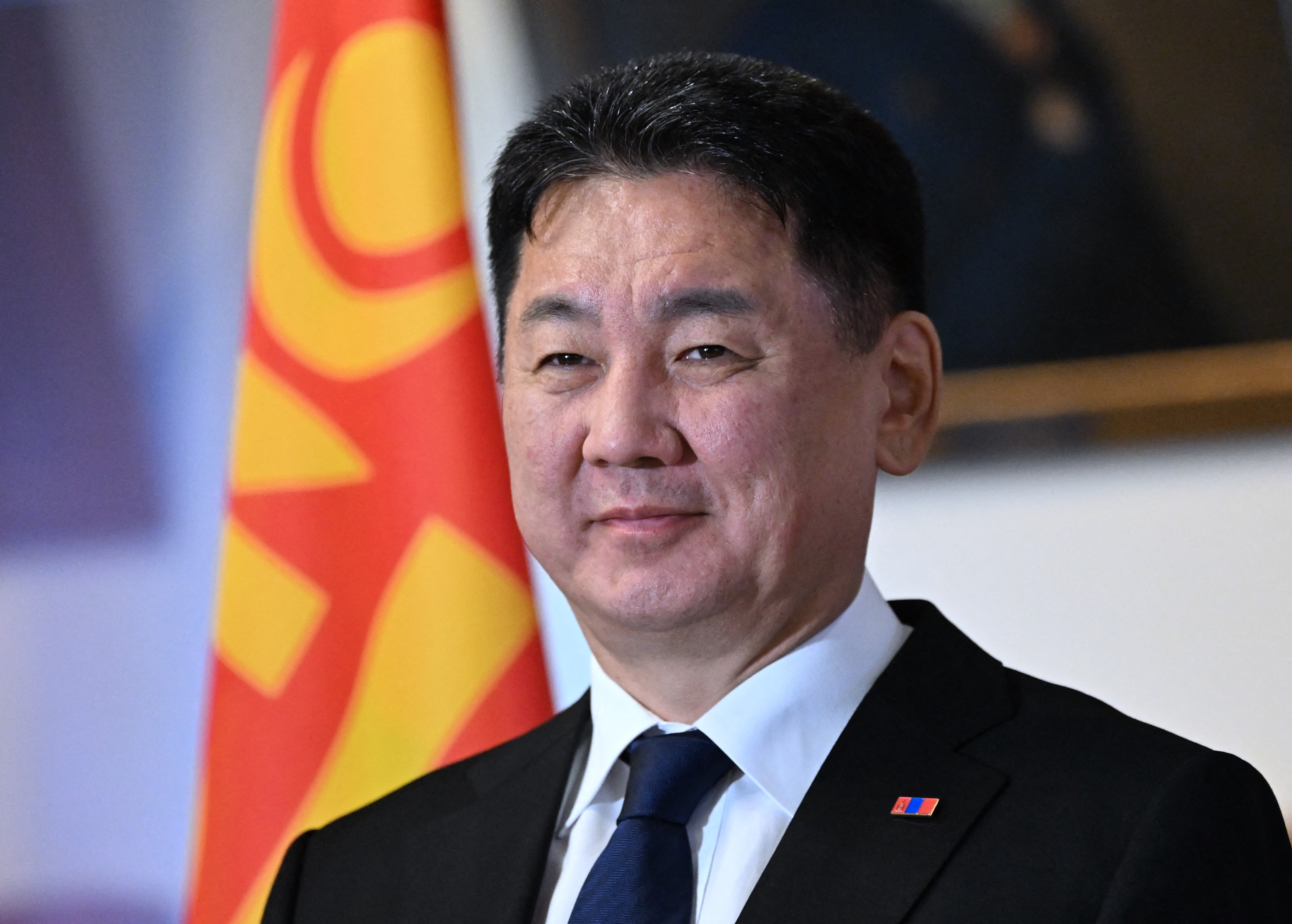
Mongolia president Khurelsukh to resign over railway bribe allegations
Khurelsukh says he is falsely accused but will step down to clear his name, and parliament must accept the resignation first
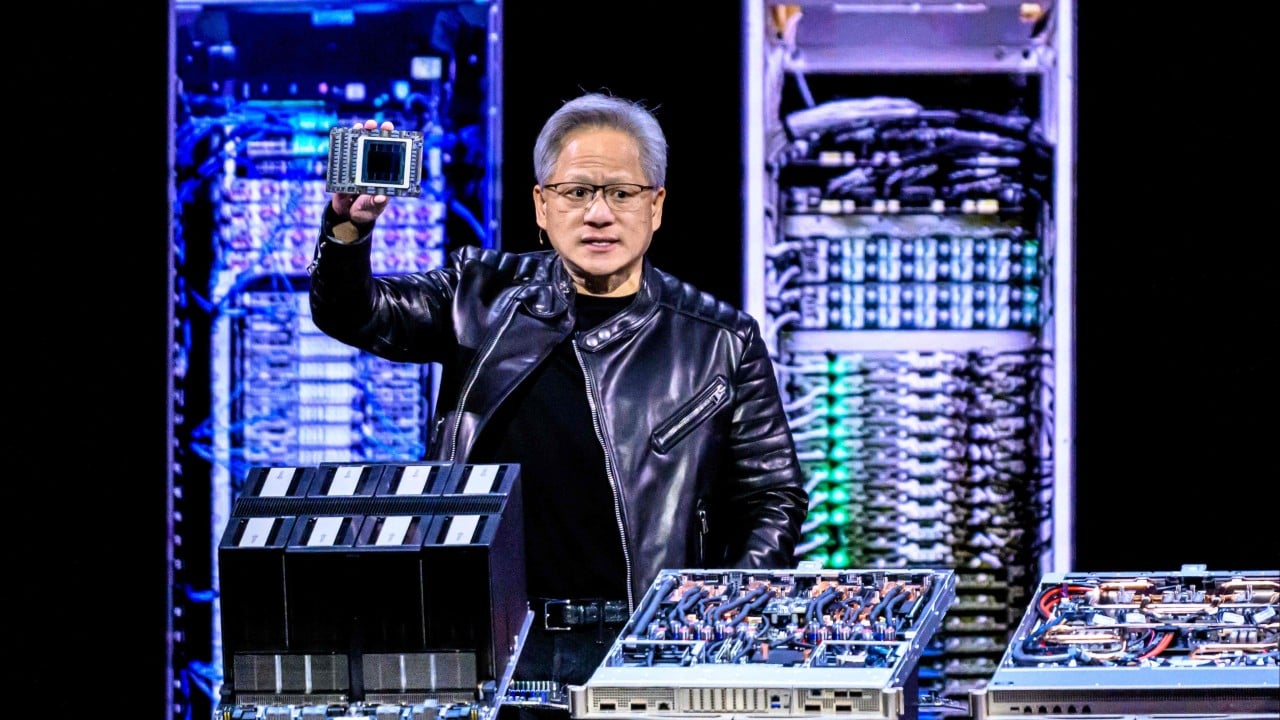
Singapore seeks US talks on AI chip curbs as Megaspeed probe widens
Washington's interim rule requires licences to ship advanced chips to five countries and to data centres serving Chinese firms anywhere in the world.