



Pakistan posts third straight first-quarter fiscal surplus
Finance adviser Khurram Schehzad said the July-September surplus was Rs1.274 trillion, or 0.9 percent of GDP, smaller than the two previous years.
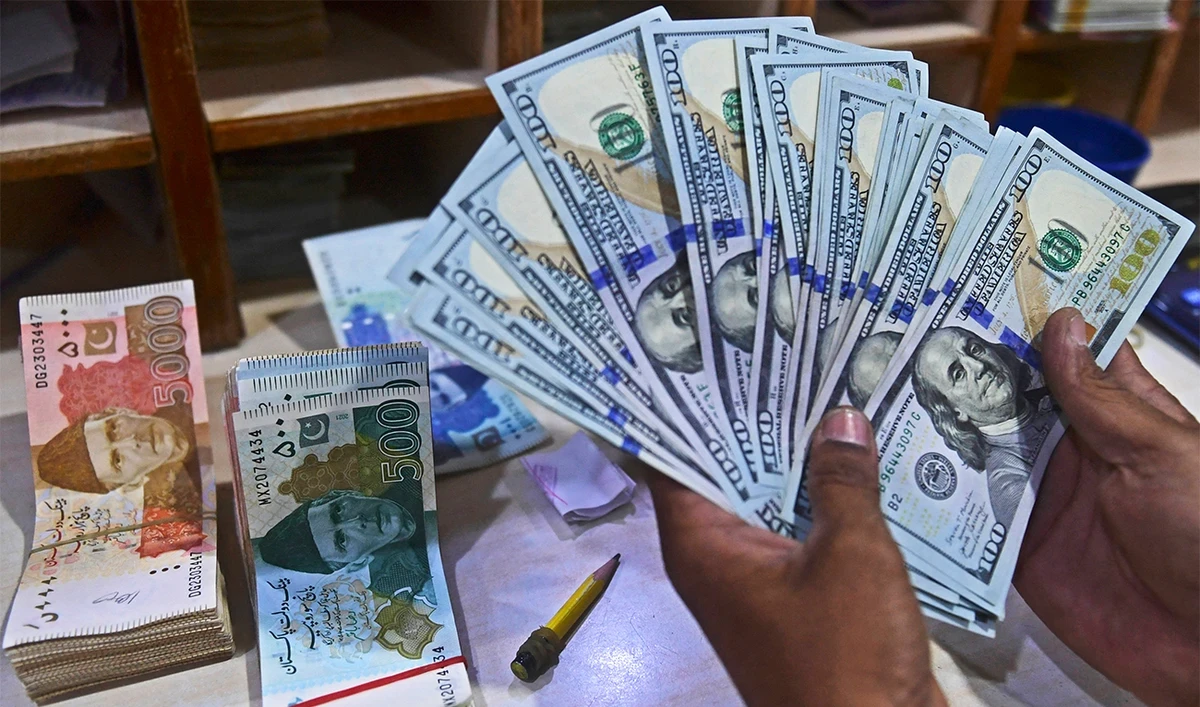
Pakistan closed the first quarter of the 2026-27 fiscal year with a fiscal surplus of Rs1.274 trillion ($4.55 billion), the third consecutive July-September quarter in surplus after 23 straight years of first-quarter deficits, Adviser to the Finance Minister Khurram Schehzad said on Friday.
The surplus equals 0.9 percent of gross domestic product, according to Arab News PK, which carried Schehzad's figures. The primary surplus, which excludes interest payments, reached Rs2.974 trillion ($10.62 billion), or 2.1 percent of GDP, Rs239 billion ($853.6 million) above the budget target.
Schehzad announced the numbers in a post on X. Pakistan ran first-quarter deficits in every fiscal year from 2001-02 through 2023-24, he said. The surpluses since then were Rs1.896 trillion ($6.77 billion) in 2024-25 and Rs2.119 trillion ($7.57 billion) in 2025-26. This year's surplus is the smallest of the three, a fall of about 40 percent from the same quarter a year earlier, the drop ProPakistani led on in its report.
He said the past three years produced the three highest first-quarter primary surpluses in 26 years, each above Rs2.9 trillion ($10.36 billion).
"Despite tax relief measures in Budget FY27, Q1 tax collections exceeded target, while expenditure remained rationalised," Schehzad said.
The adviser put the overall fiscal deficit for 2025-26 at 2.6 percent of GDP, a 22-year low, and the annual primary surplus at 2.9 percent of GDP, the highest since at least 2000-01.
Pakistan is in the middle of a $7 billion International Monetary Fund programme approved in September 2024, which requires it to strengthen public finances and hold spending down as it recovers from a prolonged economic crisis. The government has pointed to the fiscal figures as evidence that its reforms are working and to build investor confidence.
The World Bank said last month that Pakistan's economic growth rose to 3.7 percent in 2025-26 from 3.2 percent a year earlier, and that faster structural reforms could help the country triple per capita incomes by 2050.
Pakistan takes over G-24 chair, Aurangzeb sets three priorities
Finance Minister Muhammad Aurangzeb says development will sit at the centre of global economic policy, with reform of the World Bank and IMF a second priority.
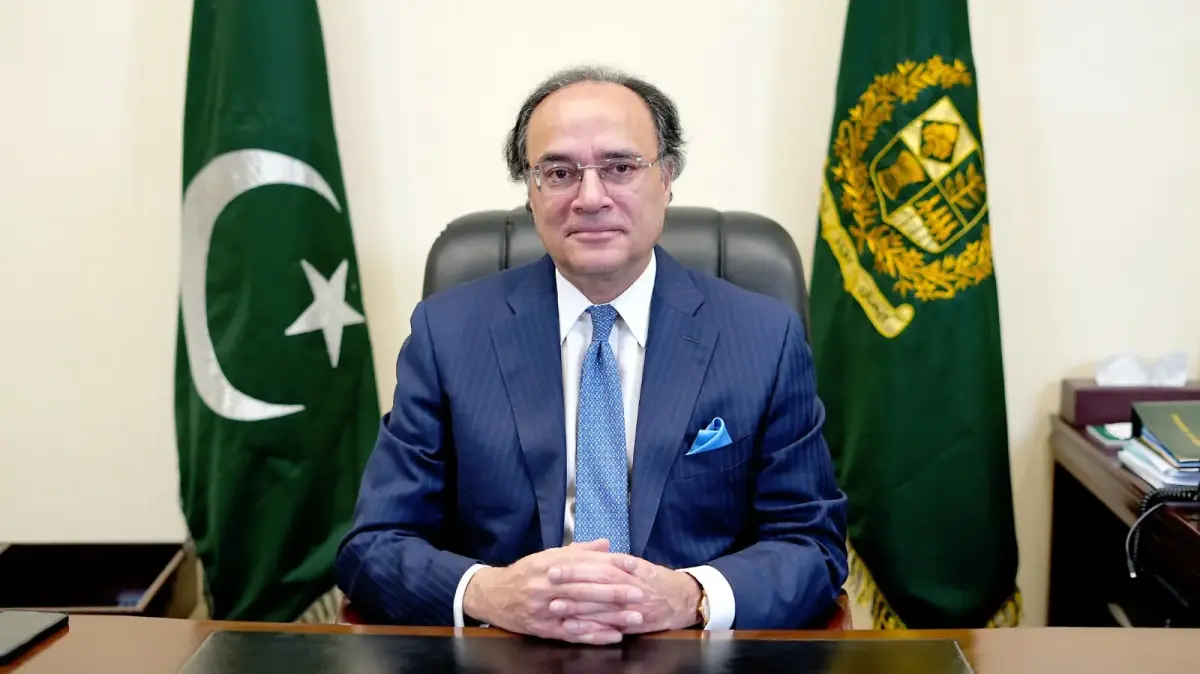
Pakistan takes G-24 chair, Aurangzeb presses for financial reform
The finance minister named three priorities for the chairmanship: development-led growth, stronger representation for developing economies and changes to the international financial architecture.

Ahsan Iqbal presses for overhaul of global debt system
Planning minister tells SDPI conference that minor adjustments cannot fix a record $348 trillion debt pile, with Pakistan set to chair IMF-World Bank governors in 2027.

Pakistan's external debt doubles in a decade to $135.1bn, World Bank says
The International Debt Report 2026 puts public and publicly guaranteed borrowing at $107.1bn, with China the largest single creditor at $22.4bn.

President House denies new provinces discussed at Zardari-Naqvi meeting
The clarification followed reports that the president and the interior minister had talked about forming new provinces in Nawabshah on Thursday night
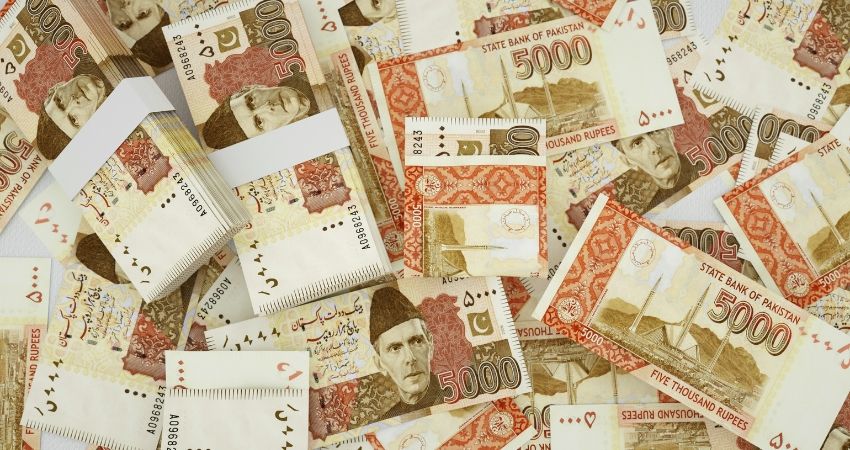
SBP transfers Rs1.932 trillion to government, beating annual target
The surplus, which is last year's profit paid out under the SBP Act, covers nearly 82 per cent of the non-tax revenue collected in July and August.
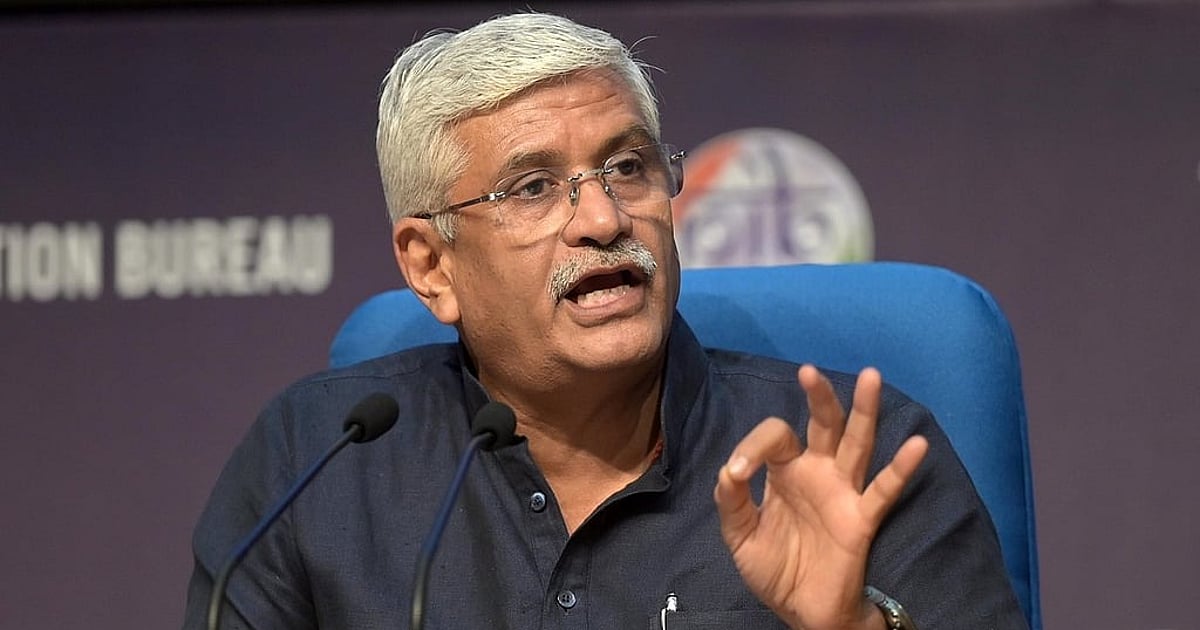
India invites Pakistani culture minister to SCO forum in Delhi
Pakistan has not said whether Aurangzeb Khan Khichi will attend the November 20-22 gathering, which India's culture minister says he hopes will be confirmed.

Shehbaz and Pezeshkian reaffirm Pakistan-Iran ties at COP31
The prime minister raised the regional conflict in Antalya, urging dialogue and de-escalation, and said Islamabad would build on the June 2026 Islamabad MoU.