Poppy cultivation spreads in Balochistan after Afghan ban, reports say
Two independent outlets say the crop is expanding across the Pakistan-Iran borderland, but neither gives the area sown, the harvest size or the districts affected.
Opium poppy cultivation has expanded in Pakistan's Balochistan and in Iran's Sistan and Baluchestan province following the ban on poppy farming in Afghanistan, according to two independent reports.
Atlas News Agency reported that poppy cultivation is spreading in the Balochistan region after the Afghan ban. Omid Radio carried the same development, naming Pakistan's Balochistan and Iran's Sistan and Baluchestan: the Iranian name for its side of the same borderland.
Neither report, as published, gave the area under cultivation, the size of the expected harvest or the number of districts affected. Neither offered a figure that would allow the reported expansion to be measured against earlier years, and neither named the districts where the crop is said to have spread. The two accounts agree on the central claim: that cultivation has grown on both sides of the Pakistan-Iran border since the ban took effect in Afghanistan.
The reports place the expansion in a region that spans two national borders. Balochistan shares a long, thinly populated and lightly patrolled frontier with Afghanistan to the north-west and with Iran to the west, and Sistan and Baluchestan lies directly across the Iranian side of that line. The terrain and the sparse presence of law enforcement along these stretches have long made them difficult to monitor.
Neither report carried any statement from the Balochistan government in Quetta, from Pakistan's Anti-Narcotics Force, or from the provincial authorities in Sistan and Baluchestan. No Pakistani or Iranian official was quoted in either account confirming or disputing the reported expansion, and no independent survey data was cited.
The two outlets did not say how they had established that cultivation had increased, whether from field reporting, local officials, farmers or satellite imagery. Skardu Times could not independently verify the claim.
The reports do not address what the expansion would mean for enforcement, for farm incomes in the affected districts, or for the price of opium and its derivatives in regional markets.
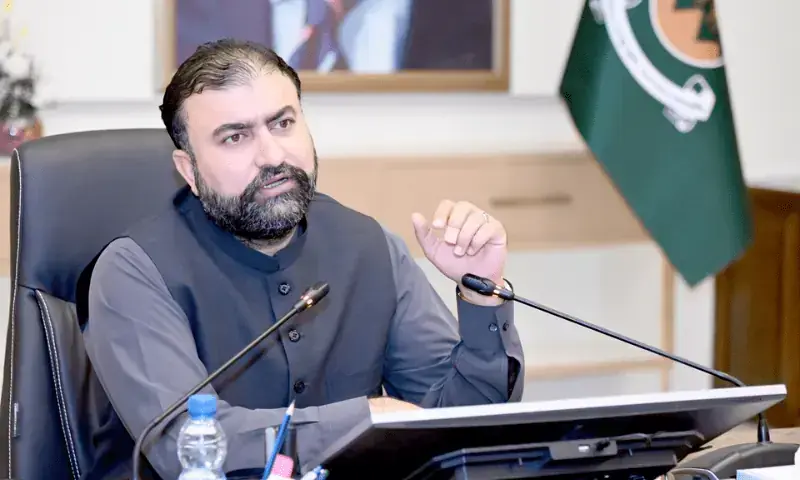
Balochistan CM says state open to dialogue within Constitution
Sarfraz Bugti voices satisfaction over operations against militants in Buleda, Kech district, and says action under Radd-ul-Fitna 3 is needed to protect peace.
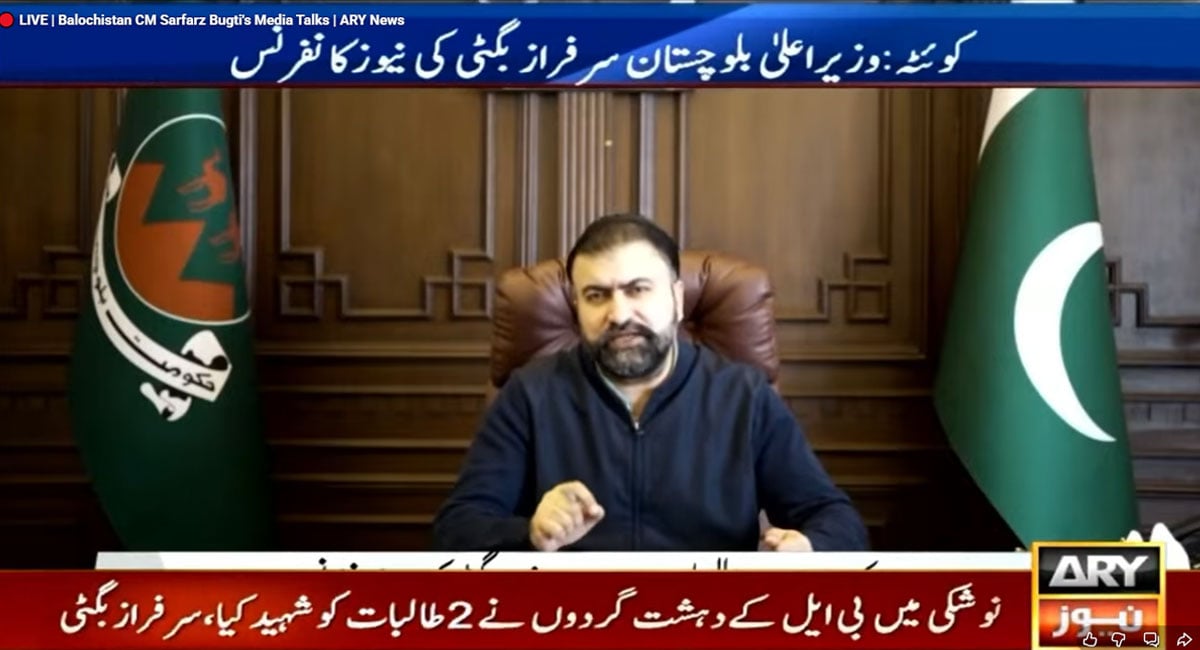
Balochistan dismisses 72 more doctors, total reaches 200
Chief Minister Sarfraz Bugti says Rs410m has been deducted from salaries and 11,000 staff issued show-cause notices, while the Express Tribune reports 102 dismissals.

ANP calls Quetta multi-party conference over Achakzai arrest
Jamaluddin Rishtya says the charges against the Balochistan ANP president are fabricated and invites parties, lawyers and traders to the November 6 meeting
Security forces shoot down five drones in Kharan, report says
Pakistan Connect described the downing as a foiled BLA attack, while a second outlet reported a foiled rocket strike on the Jaffar Express; neither account has official confirmation.