Punjab Assembly weighs vice chancellor control of medical universities
An ordinance approved by the governor for 90 days would put teaching hospitals and affiliated colleges under the vice chancellors of seven public medical universities.
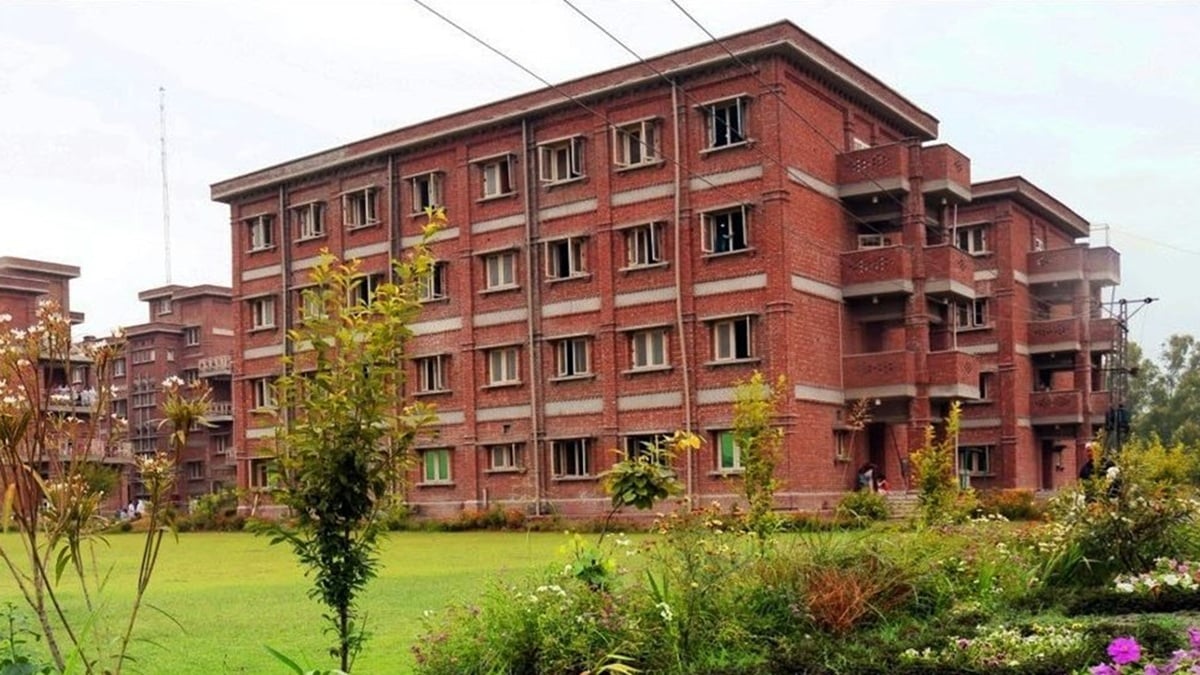
Punjab's seven public medical universities would be run by vice chancellors holding the powers of chief executive and chief academic officer, with administrative control over their affiliated colleges and teaching hospitals, under an ordinance placed before the provincial assembly.
The Public Sector Medical Universities (Second Amendment) Ordinance 2026 was presented in the Punjab Assembly and referred to the Standing Committee on Higher Education, ProPakistani reported. The governor of Punjab approved the ordinance on 20 October 2026 for 90 days. It becomes law only once the assembly passes it after considering the committee's report.
Under the draft, a vice chancellor would control the officers, faculty and employees of the university, and also the colleges, teaching hospitals and other institutions attached to it. The ordinance amends the laws governing the seven public medical universities.
King Edward Medical College Lahore would return to being a constituent college of its university. Rawalpindi Medical College and Nishtar Medical College Multan would be given legal status as constituent colleges of their respective universities.
Two colleges would be upgraded to universities. Fatima Jinnah Medical College Lahore would become Fatima Jinnah Medical University, and Punjab Medical College Faisalabad would become Faisalabad Medical University.
The draft also makes representation of the finance department mandatory on the decision-making bodies of the public medical universities. The finance secretary, or an officer of at least additional secretary rank nominated for the purpose, would sit on those bodies.
ProPakistani described the proposals as significant changes to the administrative system of the province's public medical universities. The standing committee will examine the ordinance and report back to the House, where approval would turn it into an act of the provincial legislature.
No statement from the Punjab government, the higher education department or any of the universities was carried in the report. The text of the ordinance, beyond the changes described, was not published with it.

Punjab sets three-year target to skill one million youth
Maryam Nawaz approves new centres of excellence, a digital examination system and a cleaner academy after a briefing says 400,000 have already finished training

Punjab labour minister seeks report on Lahore bakery fire
APP described the blaze as fatal but gave no death toll, no date and no location; UrduPoint separately reported a fire at a plastic pellets plant.

Drone hits outer wall of Lahore CTD headquarters
Police said the device came from the Jallo Mor side at about 12:30am, its cameras and battery lights still working, and the bomb disposal squad later declared it clear.
Lahore tops global air quality index at 420, Karachi third
Punjab government monitors put Gujranwala at 500 and Lahore at 478 at 7am, with nine Lahore localities reaching 500.