Remittances of $41.6bn dwarf exports as fiscal deficit narrows
Dawn, citing the Finance Division's August outlook, says FY26 remittances exceeded merchandise exports by about $10.8bn, leaving the economy reliant on overseas workers.

Pakistan closed FY26 with a narrower fiscal deficit, a primary surplus and stronger foreign-exchange reserves, according to the Finance Division's monthly Economic Update and Outlook for August 2026: figures Dawn drew on in an analysis published on 26 October that asks how long the economy can keep depending on money sent home by Pakistanis working abroad.
The deficit narrowed to 2.6 per cent of GDP in FY26, and the primary surplus, the government's balance before interest payments on its debt, reached 2.9 per cent of GDP, the report says. Large-scale manufacturing expanded 4.98 per cent over the year and foreign-exchange reserves improved.
Dawn set those headline improvements against the sources of the country's foreign exchange. Workers' remittances reached $41.6 billion in FY26 while merchandise exports earned $30.8 billion, meaning overseas Pakistanis sent home roughly $10.8 billion more than the country made from selling goods abroad. The article also compared the remittances figure with net foreign direct investment.
The Finance Division's numbers are official. The reading Dawn put on them is the newspaper's own: that the strengthening of fiscal and external buffers rests far more on remittances than on export earnings or on investment coming into the country, and that this leaves Pakistan's external position sensitive to labour demand and policy in the economies where its workers are employed.
The primary surplus and the overall deficit sit alongside each other because interest payments on the stock of government debt are larger than the surplus the government runs before those payments. In plain terms, the report's figures indicate that revenue covered the state's running costs in FY26 but not the full cost of servicing its borrowings.
What the piece raises and does not settle is the durability of the arrangement. Remittances have grown into the single largest source of foreign exchange reported in the update, ahead of merchandise exports, and the article asks how long that can continue rather than forecasting when it will change. It offers no projection for FY27 remittances or exports, and reports no data beyond the Finance Division's monthly update.
The update itself is a routine monthly publication of the Finance Division, and the figures it carries for FY26 are the official ones for the year. Separate daily exchange-rate listings were also published by other outlets on 26 October.
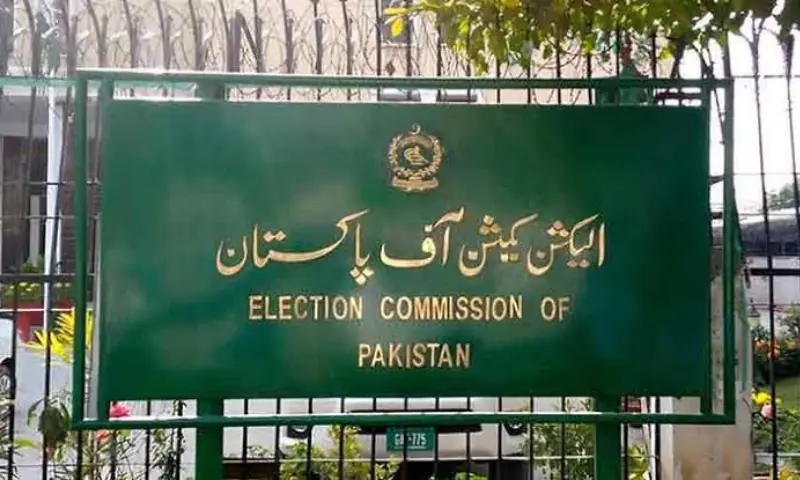
ECP sets ward delimitation for Quetta and Kharian cantonment boards
Quetta moves from Class-II to Class-I and Kharian from Class-III to Class-II, with 10 wards fixed in Quetta and five in Kharian under notifications issued on 29 October.

Information ministry blames Kabul inaction for strained Pakistan-Afghanistan ties
The ministry rejected a Taliban spokesperson's account of the dispute, saying cross-border militancy remains the biggest obstacle to normal relations between the neighbours.

Tarar proposes national council on cyber security and digital literacy
The information minister used the PTA's Cyber Security Awareness Week to float a coordinating body and to call for digital literacy in school curricula.

Health minister says barcode scan will flag fake medicines from November
Mustafa Kamal told the National Assembly that hospitals will also have to buy all vaccines from Pakistan's own funds by 2030, at a cost of about $1.2 billion.