


SBP reports 3.7 percent growth and reserves above $18bn in FY26
The central bank's annual report credits IMF-backed reforms and tight monetary policy for holding inflation near target through a year of tariff shocks, floods and war.
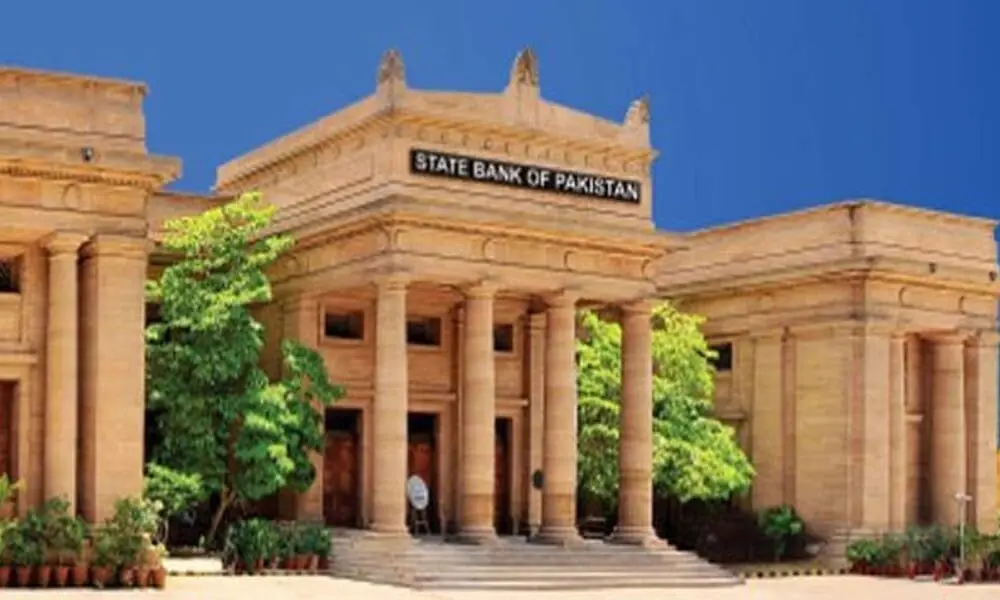
Pakistan's economy grew 3.7 percent in the fiscal year to June 2026 and foreign exchange reserves ended the year above the $18 billion target set for end-June, the State Bank of Pakistan said in its annual report on the economy released on 17 November.
The central bank said growth came mainly from a rebound in large-scale manufacturing, which it described as strongly linked to agriculture and services. The recovery in activity produced a volume-led rise in imports, Business Recorder reported.
The SBP said a prudent monetary stance, continued fiscal consolidation and reforms under the International Monetary Fund programme helped it hold macroeconomic stability against what the report called severe headwinds: shifting US trade tariff policies, monsoon flooding at the start of the year and the Middle East conflict that began in late February 2026. Government austerity measures and the passing of higher global oil prices to domestic fuel prices limited the damage to the fiscal and external accounts, it said.
The Monetary Policy Committee kept the policy rate unchanged until December 2025, cut it by 50 basis points, then raised it by 100 basis points in April 2026, Mettis Global reported. Average national consumer price inflation was 5.5 percent from July to February before the conflict pushed headline inflation into double digits from April 2026. Business Recorder reported the SBP's statement that average inflation stayed near the upper bound of its 5.0 to 7.0 percent medium-term target range.
The central bank bought $8.1 billion in net foreign exchange during the year and cut forward and swap liabilities by $1.6 billion, Mettis Global reported. It said the current account deficit stayed moderate as remittances and ICT exports offset a wider goods trade deficit. Business Recorder put the current account deficit at 0.1 percent of GDP on the strength of remittances.
Sovereign credit ratings were upgraded during FY26. The SBP credited sustained official inflows, Eurobond and Panda bond issuance and Roshan Digital Accounts with supporting reserves, and said a sharp fall in interest payments improved the fiscal accounts.
Asset quality improved at banks and development finance institutions, with the non-performing loan ratio falling and capital adequacy well above the regulatory minimum, according to the report. Islamic banking expanded. The SBP introduced a recovery-planning framework for banks, instructions on dealings with licensed virtual asset service providers and phased adoption of Basel III credit-risk standards. It listed 12 Digital Model Villages, the Zarkhez-e digital agriculture lending platform, a framework allowing teenagers to run accounts and wallets, and the Pakistan Financial Inclusion Index and Pakistan Green Taxonomy among its initiatives.
A special chapter on job creation named weak and volatile GDP growth, premature deindustrialisation, low female labour force participation, high youth unemployment and large informal employment as obstacles, with Industry 4.0, the green transition and geoeconomic fragmentation adding pressure. The report recommended early preparedness against climate shocks and solar energy in agriculture.
The Governor's Annual Report is published under Section 39(1) of the SBP Act, 1956.
How the reports differ
Business Recorder called the document the Report on the State of Pakistan's Economy and led on its call for structural reform and its special chapter on job creation; it alone gave GDP growth of 3.7 percent and put the current account deficit at 0.1 percent of GDP. Mettis Global and Investify called it the Governor's Annual Report and led with reserves above $18 billion and the policy rate path, and neither put a figure on the current account deficit. On inflation, Business Recorder said the SBP reported average inflation near the upper bound of its 5.0 to 7.0 percent target range, while Mettis Global and Investify gave a 5.5 percent average for July to February. Mettis Global carried the fullest account of the financial sector, including Basel III adoption and the financial inclusion measures, while Investify's account was a short summary with the same reserve, inflation and policy rate figures.
SBP projects inflation easing to 5-7pc in FY27
The central bank's annual report puts average CPI at 5.5-7.5pc for the year, above the target range, and sees GDP growth of 3.5-4.5pc.
IMF repeats call for Pakistan to phase out fuel subsidy
Spokesperson says any future relief must be limited, time-bound and kept inside the FY27 budget, as weekly petrol tokens continue.

IMF presses Pakistan to phase out petrol subsidy scheme
The fund wants weekly vouchers for motorcyclists and rickshaw drivers, and the Rs100-per-litre discount for small cars, wound down inside the FY2026-27 budget.
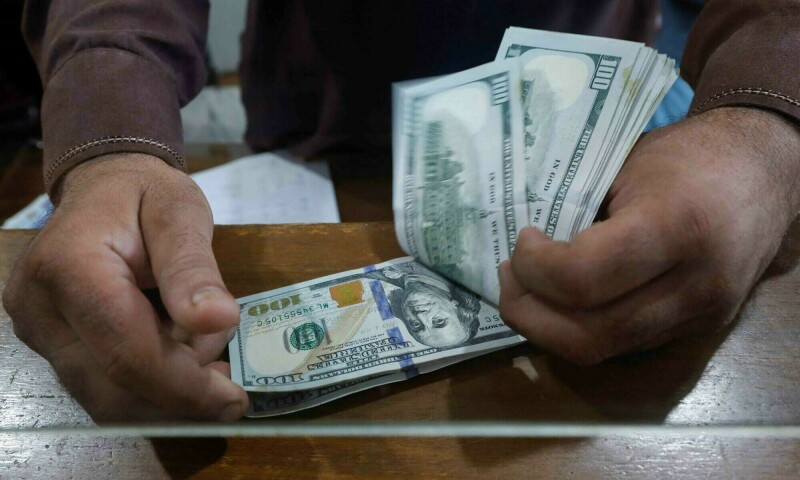
Foreign exchange reserves hit record $26.86bn, State Bank reports
Central bank holdings rose $39 million in the week to October 30 to $21,561.2 million, with commercial banks holding the rest of the record total.

Federal Constitutional Court rebukes LDA over Rashid Minhas family litigation
A three-judge bench dismissed the authority's appeal against a 2018 Lahore High Court ruling and told it to stop wasting public money on frivolous cases.
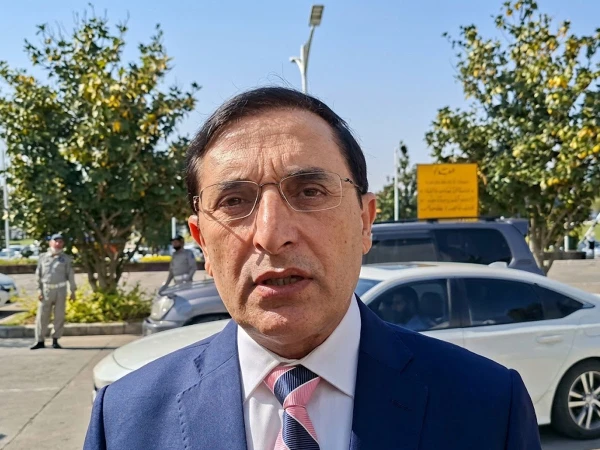
Gohar asks Bilawal, other leaders to explain how to reset system
The PTI chairman says Bilawal Bhutto Zardari's warning of a collapsing system came late, while Bilawal says nothing can be settled without the PTI.
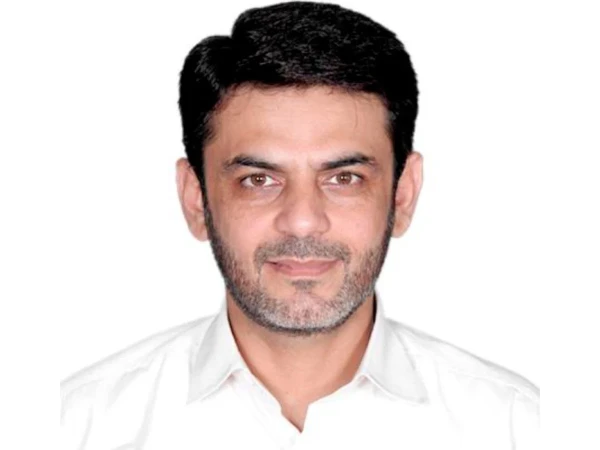
US court sentences Pakistani national to 330 months over Trump plot
Asif Merchant, 48, was convicted in March of plotting to kill US political figures in revenge for Qasem Soleimani's killing; Iran denies the allegations.
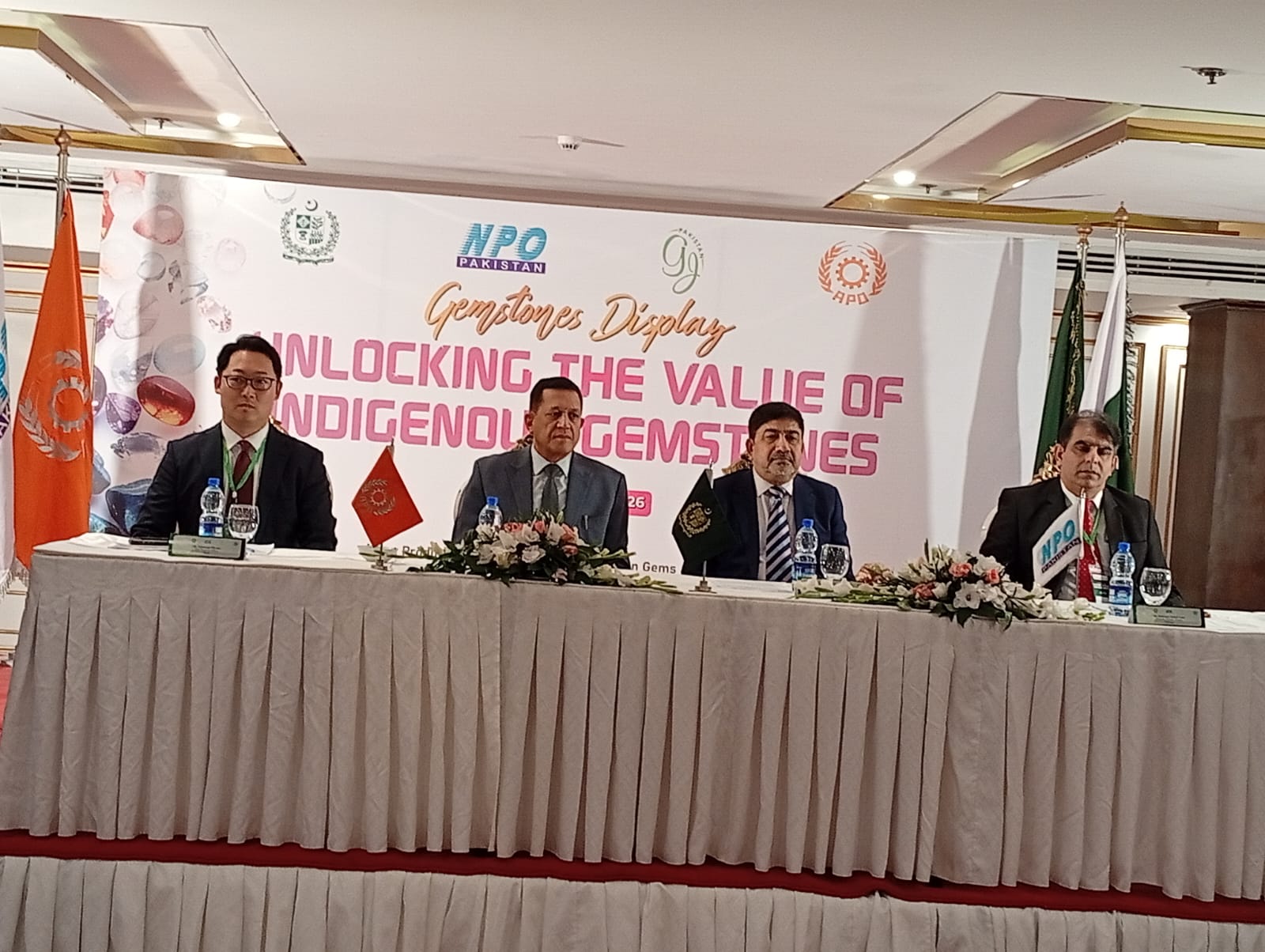
Pakistan sets five-year target of $1bn in gemstone exports
SAPM on Energy Zafar Iqbal told an Islamabad workshop the country holds about $450bn in gemstone reserves but ships only $5.8m a year in formal exports.