Six million Afghans return home amid Pakistan, Iran deportation drives
A labourer supporting seven relatives in Sheberghan says work has grown scarcer since the returnees arrived, as demand for jobs and housing rises.
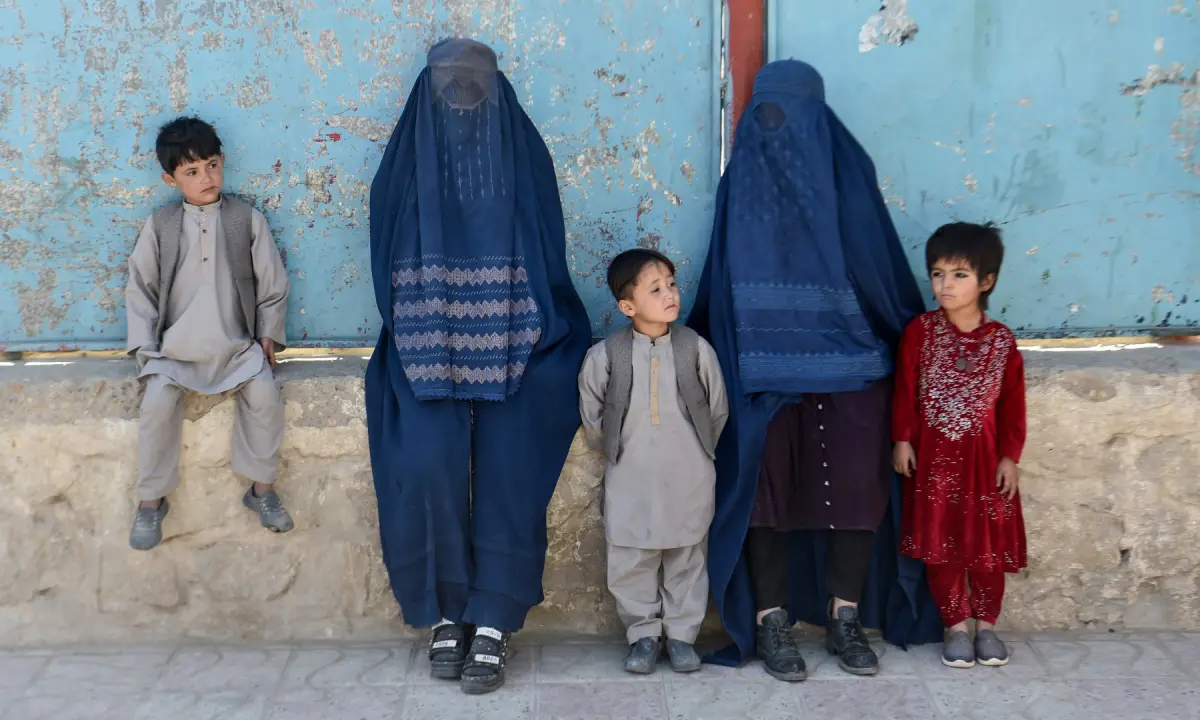
More than six million Afghans have returned home from Iran and Pakistan in little over three years, Dawn reported, as the two neighbours pressed deportation drives after decades of hosting people who had fled conflict.
The scale of the returns has intensified pressure on jobs and housing inside Afghanistan. In the country's north, labourers gathered at a roadside to look for work, and the new arrivals have joined the queue for whatever openings exist.
Ghulam Sakhi Barat, who has seven relatives to support in Sheberghan, the capital of Jawzjan province, said the arrivals had changed the local labour market. "Since the returnees arrived, there have been fewer jobs for local" workers, Dawn quoted him as saying. He also said that "people are going hungry".
Dawn described men assembling by the road in the hope of being hired for a day's work, with the returnees adding to the number of people competing for each job. The report placed the scene in northern Afghanistan without naming the district.
The report did not break down how many of the six million returned from Pakistan and how many from Iran, and it gave no separate figure for Afghans removed by Pakistan alone. It did not say when the current deportation drives began, how many people they have affected, or how many Afghans remain in Pakistan.
Arab News Pakistan carried the same account under the headline "Afghans compete for jobs, homes as millions return from Iran, Pakistan", without additional figures or quotations.
Both Iran and Pakistan hosted Afghan refugees for decades, the report noted, and both have launched drives to send them back in recent years. The combined effect is visible in Afghan labour markets, where returning families with no savings compete with local workers for casual work and rented rooms.
Barat's account, as carried by Dawn, is one of several from returnees describing a squeeze on wages and housing rather than any official assessment of the influx. No Afghan or Pakistani government figure was cited in the report for the number of people who have crossed back so far this year.

Information ministry blames Kabul inaction for strained Pakistan-Afghanistan ties
The ministry rejected a Taliban spokesperson's account of the dispute, saying cross-border militancy remains the biggest obstacle to normal relations between the neighbours.

Tarar proposes national council on cyber security and digital literacy
The information minister used the PTA's Cyber Security Awareness Week to float a coordinating body and to call for digital literacy in school curricula.

Health minister says barcode scan will flag fake medicines from November
Mustafa Kamal told the National Assembly that hospitals will also have to buy all vaccines from Pakistan's own funds by 2030, at a cost of about $1.2 billion.

Fakhar Zaman hits century and passes 4,000 ODI runs
The Pakistan batter reached 4,000 one-day international runs in his 97th ODI and became the 16th from his country to pass the mark.