



South Korea scrambles jets after Russian aircraft enter air defense zone
Seoul's Joint Chiefs of Staff said the planes left without violating South Korean airspace, and Japan scrambled jets hours later, according to Tokyo.
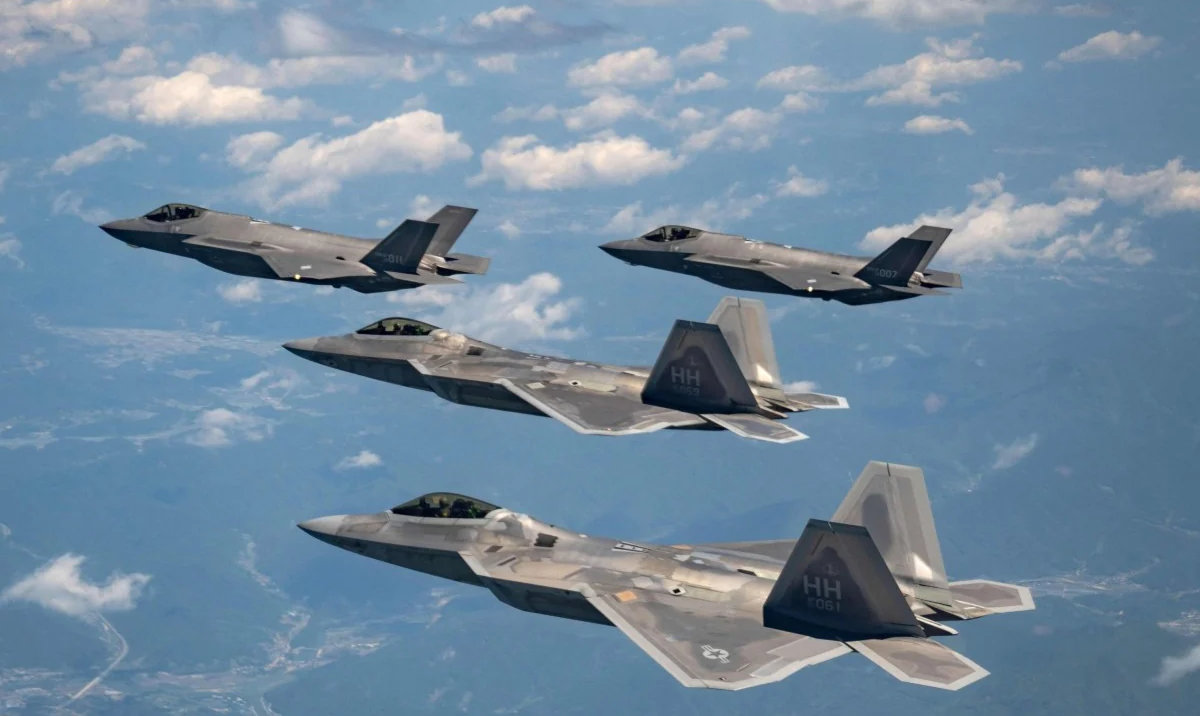
South Korea's military scrambled fighter jets early on Tuesday after several Russian military aircraft entered the country's air defense identification zone over the East Sea, the Joint Chiefs of Staff in Seoul said.
The aircraft entered the Korea Air Defense Identification Zone, or KADIZ, in the early hours and later left without violating South Korean airspace, the JCS said in a statement. The military detected the Russian planes before they crossed into the zone and deployed Air Force fighters, "taking tactical measures to prepare for any contingency", it said.
An air defense identification zone is not sovereign airspace. It is a buffer in which a country asks approaching aircraft to identify themselves, to lower the risk of accidental clashes. Military aircraft are generally expected to notify the country concerned before entering such a zone, although Arab News reported that no legal requirement obliges them to do so.
Russia and China do not recognise South Korea's jurisdiction over the zone, Yonhap reported, citing a lack of basis in international law. Yonhap also reported that Seoul lodged a strong protest with both sides over the unauthorised entry through embassy channels.
The incursion came about three months after several Russian military aircraft entered and then left the zone over the East Sea, prompting South Korea to scramble fighters, according to Yonhap. In June, Chinese and Russian warplanes entered the zone above South Korea's eastern and southern waters in what appeared to be a joint air drill, Yonhap and Arab News reported. Those aircraft also stayed out of South Korean airspace.
Beijing described the June operation as a "strategic air patrol" over the Sea of Japan, the East China Sea and the western Pacific aimed at maintaining "regional peace and stability", Arab News reported. China's statement did not mention South Korea or its air defense zone.
Hours after Seoul's announcement, Japan's government said it had scrambled jets after suspected Russian planes entered Japanese airspace, Euronews reported. Tokyo's account gave no further detail on the number of aircraft, their route or how long they stayed.
The East Sea, which South Korea borders to its east, is known in Japan as the Sea of Japan.
Watch

South Korea ICT exports triple in October on AI chip demand
Semiconductor shipments reached $56.47bn, the science ministry said, and ICT goods made up 61 percent of the country's $115.28bn in total exports.

IMF chief warns world economy stands on one AI leg
Kristalina Georgieva says circular financing among AI companies has passed $1 trillion, two-thirds of it debt-funded, and a wobble in the sector could threaten financial stability.
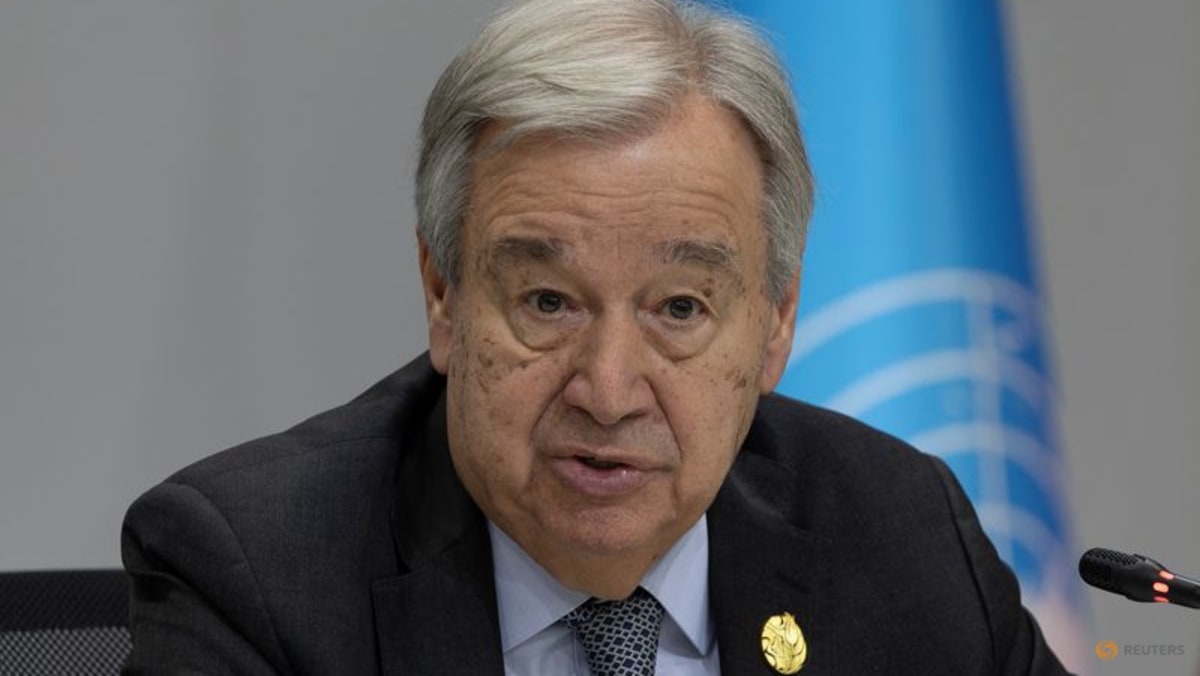
Guterres says UN ready to back US-China-Russia nuclear cuts
Speaking at the ASEAN summit in Manila, the UN chief said no arms deal is guaranteed as Trump prepares to press Putin and Xi in Shenzhen.
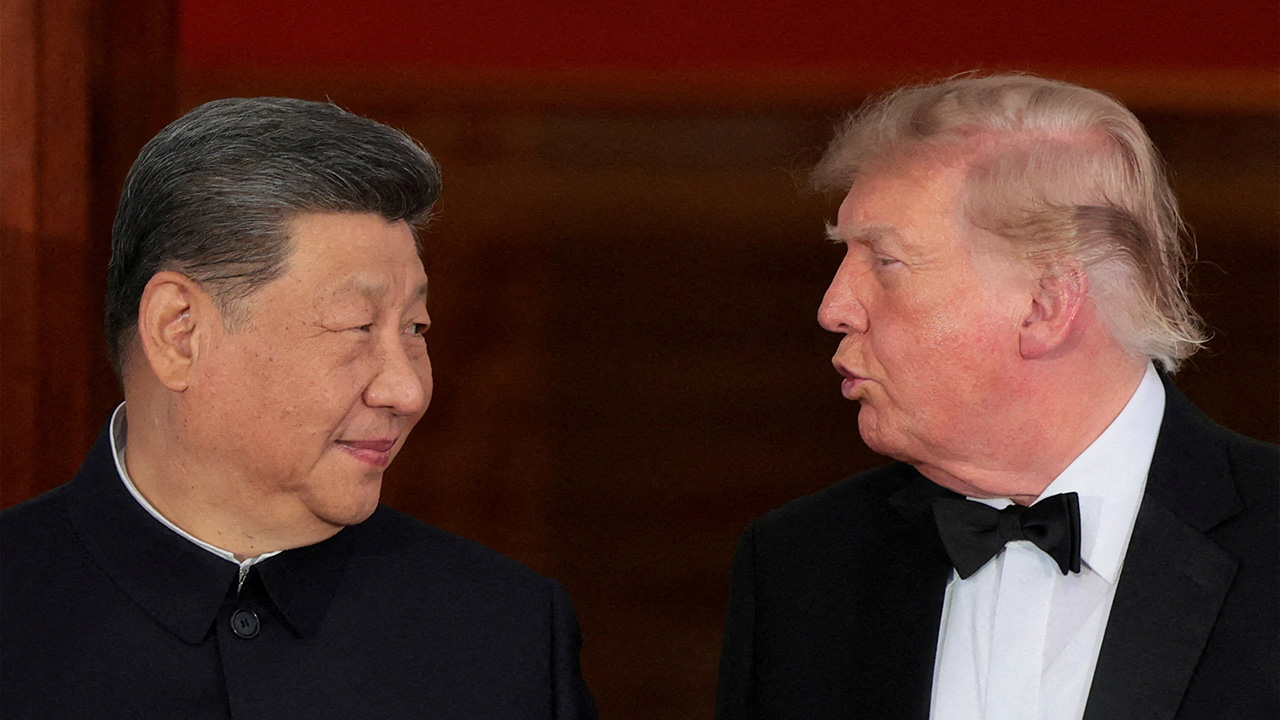
Trump heads to Asia for Shenzhen summit with Xi and Putin
The US president travels after midterm losses and a spy scandal involving Nvidia's Jensen Huang, with a $14bn Taiwan arms package on Beijing's wish list.
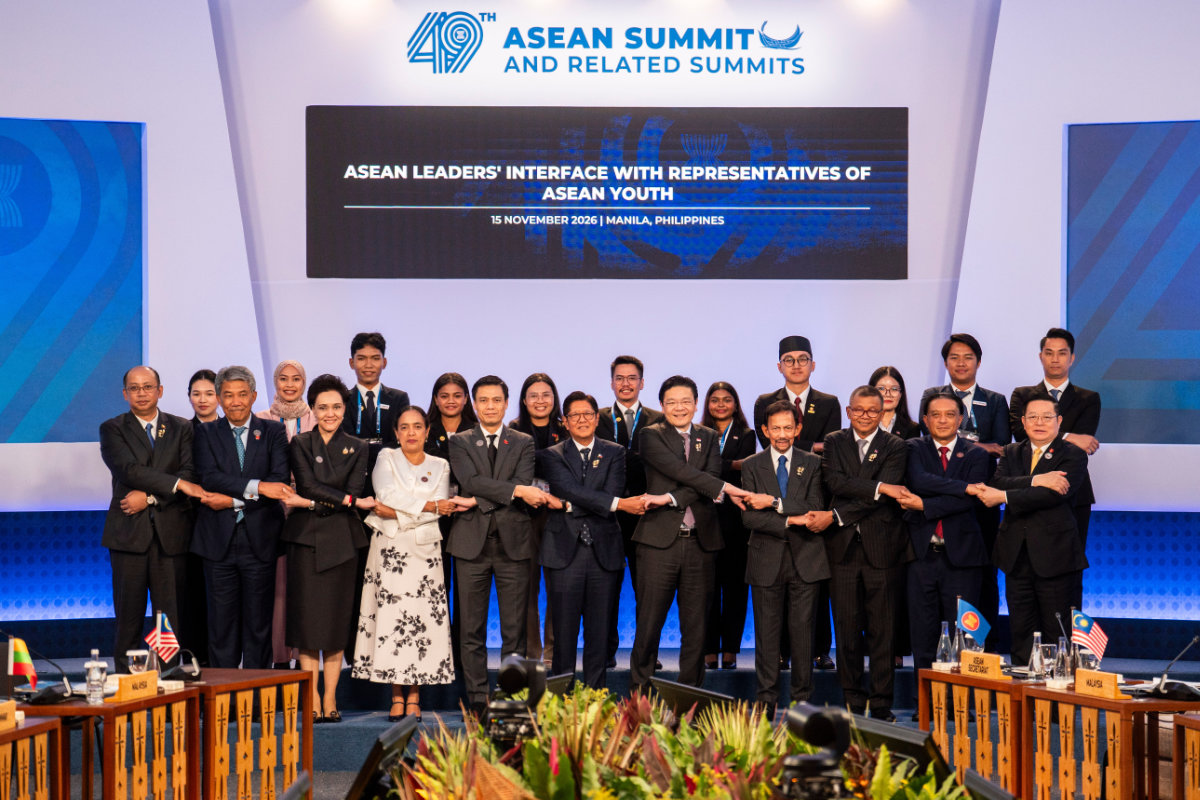
ASEAN leaders extend ban on Myanmar's Min Aung Hlaing at Manila summit
The bloc said the military and armed groups keep attacking civilians, and cited too little progress on the 2021 five-point peace plan.

Hong Kong's New World seeks US$3.2bn in discounted rights issue
The debt-laden developer is offering 11 new shares for every one held at HK$0.90, an 81.5 per cent discount to Thursday's close, with the Cheng family backing the plan.

Quad leaders plan Manila summit on Tuesday, sources say
The four-country grouping has not held a leaders' meeting in more than two years, with energy security and supply chains on the agenda.
Philippines signs emergency oil access pacts with Indonesia, Thailand
State firm PNOC-EC signs letters of intent at an ASEAN business summit, backed by a Japan-supported ticket system for emergency fuel.