UK MPs warn of dangerous China reliance on critical minerals
The business select committee wants a state-backed finance facility to fund rare earth mining and refining, and says Britain's supply now hinges on US-China relations.
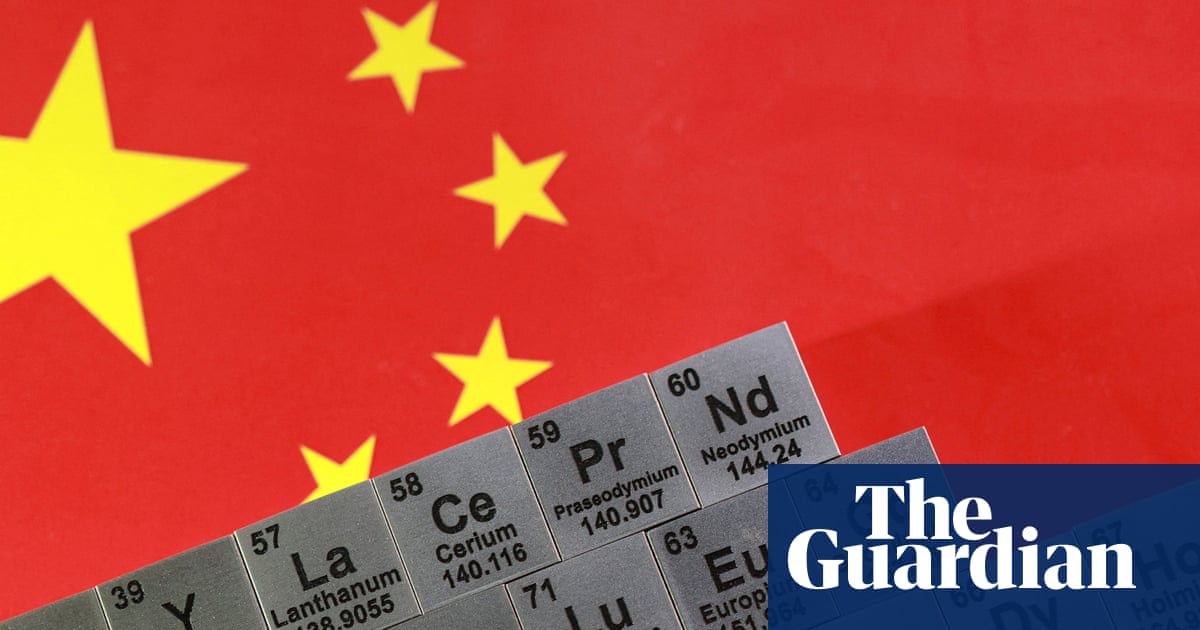
A UK parliamentary committee has concluded that Britain is "dangerously" dependent on China for the processed minerals its military, renewable energy industry and artificial intelligence sector need, and called for a state-backed fund to pay for alternatives.
The business select committee, chaired by Liam Byrne, published the findings of its inquiry into critical minerals, The Guardian reported. It recommended a single centralised policy and the creation of a "critical minerals finance facility" offering grants, equity and debt to speed up mining and diversification.
"Critical minerals are the alpha of the new economy," Byrne said. "We cannot rearm Britain, build AI or deliver net zero unless we secure the minerals these technologies depend on." He added that 16 years after China first restricted rare earth exports, "Britain remains dangerously exposed".
The committee heard the bottleneck sits at processing rather than extraction. China dominates refining across seven categories of minerals, including refined lithium for electric vehicle batteries and the rare earths used in the fuselage and wings of military aircraft to withstand temperature extremes. Witnesses told MPs that lithium demand would rise 45-fold between 2024 and 2030, and demand for rare earths in permanent magnets, used in fighter jets and other equipment, 16-fold over the same period.
The report cites China's willingness to cut supplies, which it did in 2025, and separate restrictions on legacy chips imposed during a row over Dutch intervention in the Chinese-owned firm Nexperia, which left the European car industry "days away" from stoppages last October, according to The Guardian. The inquiry was the committee's second criticism of government China policy in a week.
US President Donald Trump secured a one-year reprieve on Chinese global export restrictions on rare earths in October last year, extended to January 2027 after Xi Jinping's recent visit to Washington. The committee said that arrangement leaves the UK exposed to the state of US-China relations rather than to any agreement of its own.
Its preferred route is for Britain to work with G7 partners, other European countries and Indo-Pacific states to pool demand and bring in new suppliers. It also set out a 10-point plan covering domestic mining, refining and recycling, advice for businesses on cutting procurement from China, measures to unlock investment, and reform of planning and permitting rules that may block new mines.
The committee said a lack of government transparency frustrated its work. "Parliament has no visibility of the capabilities the government is seeking to protect, the vulnerabilities it has identified, or the projects it is backing to reduce risk," it said.
A government spokesperson rejected the charge, saying it is delivering £400m to increase domestic production and recycling and to build international partnerships. The strategy sets 2035 goals of meeting 10% of demand from domestic production and 20% from recycling, with no more than 60% of any critical mineral coming from a single country.
How the reports differ
The Guardian was alone among the three outlets in reporting the committee's findings. The other two carried separate critical minerals stories: Mongabay reported on a glacier in Peru threatened by mining for the same materials, and Valor International reported that Brazil had named 27 minerals as national priorities. Neither offered a competing figure, cause or attribution for the UK report.

Russian strikes cut power across Kyiv as Zelenskiy and mayor trade blame
President Volodymyr Zelenskiy and the capital's mayor each blamed the other for the blackout after Russian strikes hit Kyiv, Reuters reports.
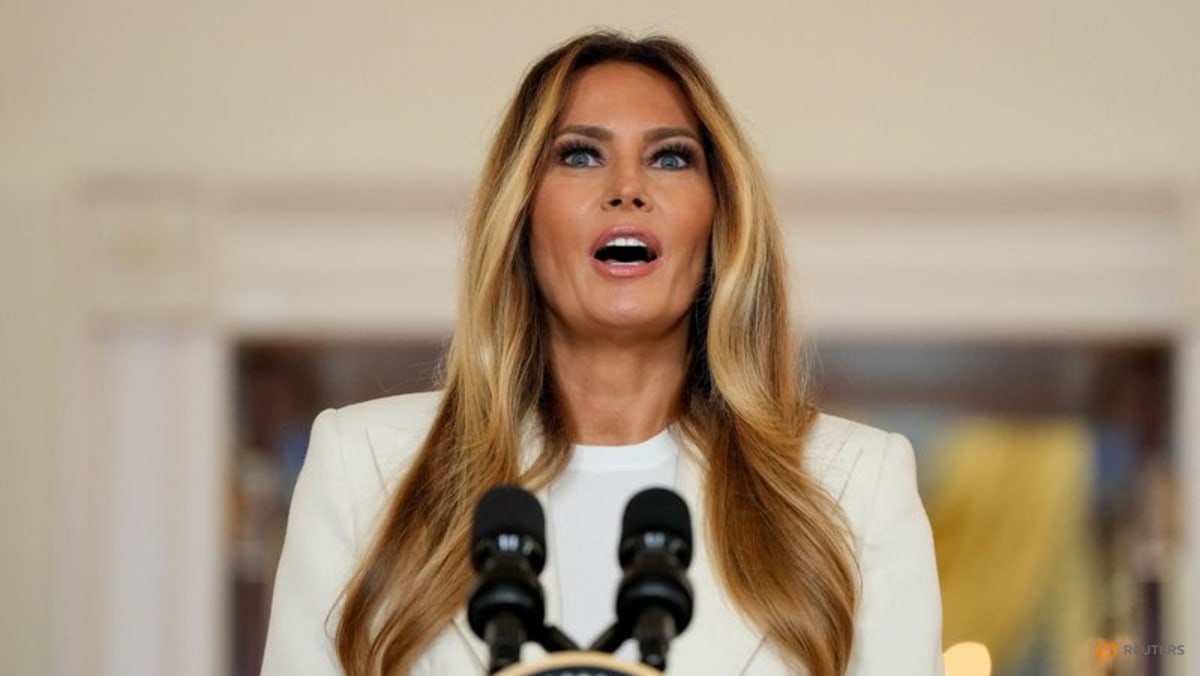
Trump predicts Russia deal covering 'all of Europe' after White House talks
The US president spoke after first lady Melania Trump hosted Russian and Ukrainian officials, who left with personal letters for Putin and Zelensky.
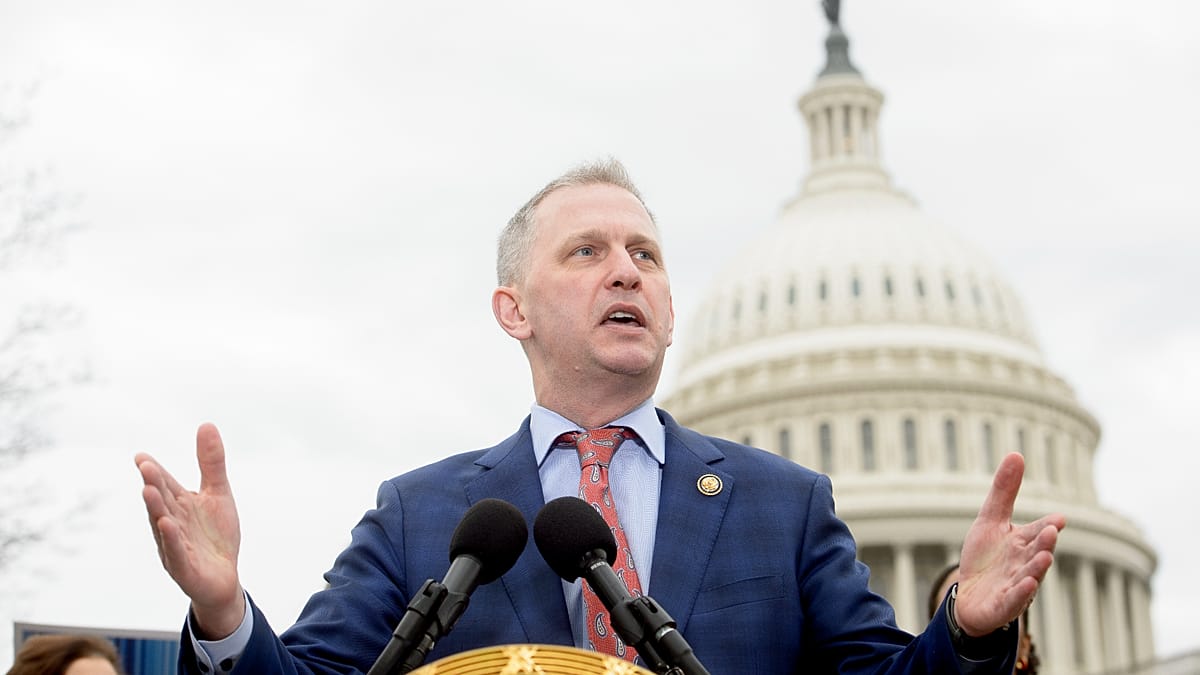
US congressional delegation to attend COP31 in Antalya
Nineteen lawmakers will join the UN summit despite Washington's withdrawal from the Paris Agreement, as African negotiators push for climate finance.

Putin places Japan Tobacco's Russian units under state management
The decree covers four factories, about 4,000 employees and roughly 40% of Russia's cigarette market, held by a state-linked company.

France opens cyberattack inquiry into €100m Crédit Mutuel Arkéa theft
Paris prosecutors acted on the bank's complaint after hackers used an outside provider's platform to move money from the group's own accounts, not customers'.

French unions launch nationwide strikes over pay and budget
Five unions have called a day of action, with 70,000 police deployed and authorities expecting up to 700,000 marchers across the country.

Hungary opens communist-era secret police files to public
About 60,000 informants' names go online, 36 years after the 1989 change of regime, with a second batch due in February.
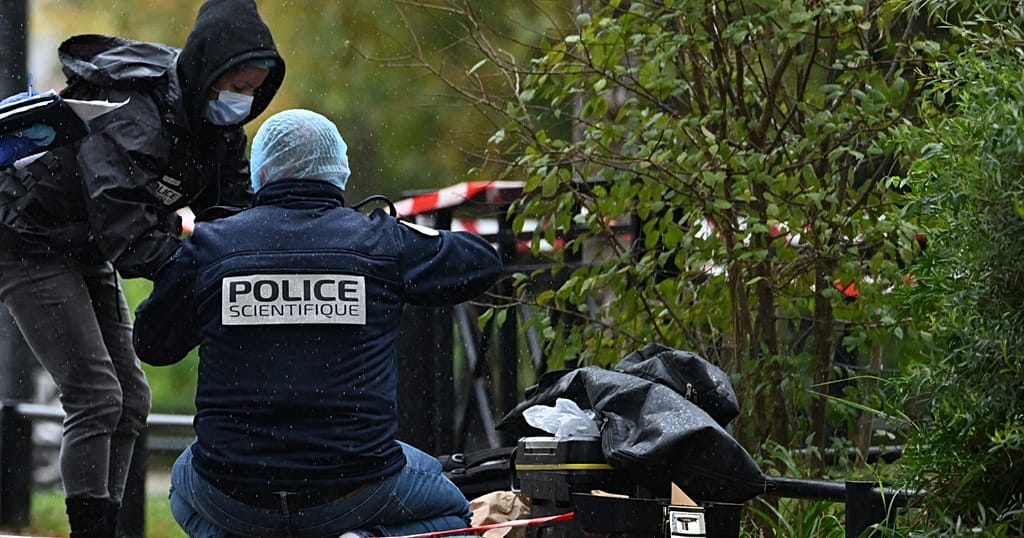
France charges man, 39, over racist shooting near Paris
Prosecutors say Kevin T. admitted targeting people who appeared Muslim, African or North African in the October 23 attack that killed a 26-year-old and wounded seven.