Wall Street AI stocks rebound after trillion-dollar sell-off
The Nasdaq closed up 1.1% while Asian and European indexes fell, and reports put the market losses at between $2.3tn and $2.5tn.

Technology and artificial intelligence shares on Wall Street recovered part of a steep fall on Friday, after a sell-off that removed trillions of dollars from global stock values and hit chipmakers hardest.
The Nasdaq Composite closed up 1.1%, clawing back some of its 5.5% drop the previous session, according to the BBC. The S&P 500 added 0.3%. The Dow Jones Industrial Average ended down 0.4%.
The losses were larger outside the United States. The BBC reported that South Korea's Kospi closed down 6%, with chipmaker SK Hynix falling more than 10%. Main indexes in Germany, France and Spain also ended lower, and London's FTSE 100 shed 1.01%.
The reports sized the damage differently. KVIA said $2.5 trillion had been wiped off US markets. The National put the loss at $2.3 trillion and tied the slide directly to the midterm results in its headline. The BBC said trillions of dollars came off stock values without giving a single figure.
Investors had sold tech shares partly on concern that the Democrats' midterm victory would slow AI development. A number of Democrats had campaigned for new rules on AI and data centres, and the party won control of both houses of Congress as well as contests in states competing for data centre investment, the BBC reported. US President Donald Trump on Friday repeated his support for what he called "super intelligence", saying only "foolish leadership" would "say no to the riches they bring".
The BBC reported that US employers added 165,000 jobs in October, citing the Bureau of Labor Statistics, and that unemployment eased to 4.1% from 4.2%. The same report gave September as the month for the 165,000 figure in one passage.
In London, traders weighed the sell-off alongside the Bank of England's decision to raise interest rates and its signal that another increase was possible.
Russ Shaw, founder of the advocacy group Tech London Advocates, told the BBC's Business Today that the incoming Congress would focus on AI "in a very dramatic way". Pierre Baqué, chief executive of the AI platform Neural Concept, called the share moves a "necessary market correction" and said the industry had to show "greater financial discipline". Dan Coatsworth, head of markets at AJ Bell, said next week would show whether the tech trade was "going down the pan or fighting back".
How the reports differ
The three reports sized the sell-off differently: KVIA put the loss at $2.5 trillion, The National at $2.3 trillion, and the BBC said only that trillions of dollars had been erased. The BBC led on Friday's partial recovery and on the US payrolls figures, while KVIA and The National led on the scale of the losses. The National tied the slide directly to the midterms in its headline, under its "Manus on Markets" banner, whereas the BBC treated the election as one factor among several, alongside doubts about AI spending. Only the BBC carried the trading detail from Seoul, London and Frankfurt.

Nasdaq falls 5.5% as Democratic midterm sweep stokes AI rules fear
Chip stocks led a sell-off that spread to Tokyo and Seoul after projections put both chambers of Congress in Democratic hands.

South Korea's KOSPI sinks below 5,000 as AI shares slide
Trading in Seoul was halted for 20 minutes after the index fell more than 8 percent, following a tech sell-off on Wall Street.

Democrats take US Congress as Asian stocks swing on results
Tokyo's Nikkei fell sharply in volatile trading while US futures slipped before the vote and recovered afterwards, with bank strategists split on the outlook.

Nasdaq logs worst month since 2025 as AI spending fears hit tech
Intel fell 28% and Alphabet lost more than $500bn in value as investors weighed whether huge AI investments will pay off.

Democrats win control of Congress in US midterms
Jon Ossoff and Josh Shapiro win by wide margins, Texas elects a Democratic governor, and JD Vance blames the Iran war for Republican losses.

Democrats' midterm sweep puts US data center boom in doubt
Texas governor-elect Gina Hinojosa wants a pause on construction, and Nikkei Asia reports the result could weigh on Japanese projects by Honda and Nippon Steel.

US agencies warn of cyber threat to industrial refrigeration
The FBI, CISA and three departments say hackers could change temperatures in cold storage, causing fires and spoiling inventory.
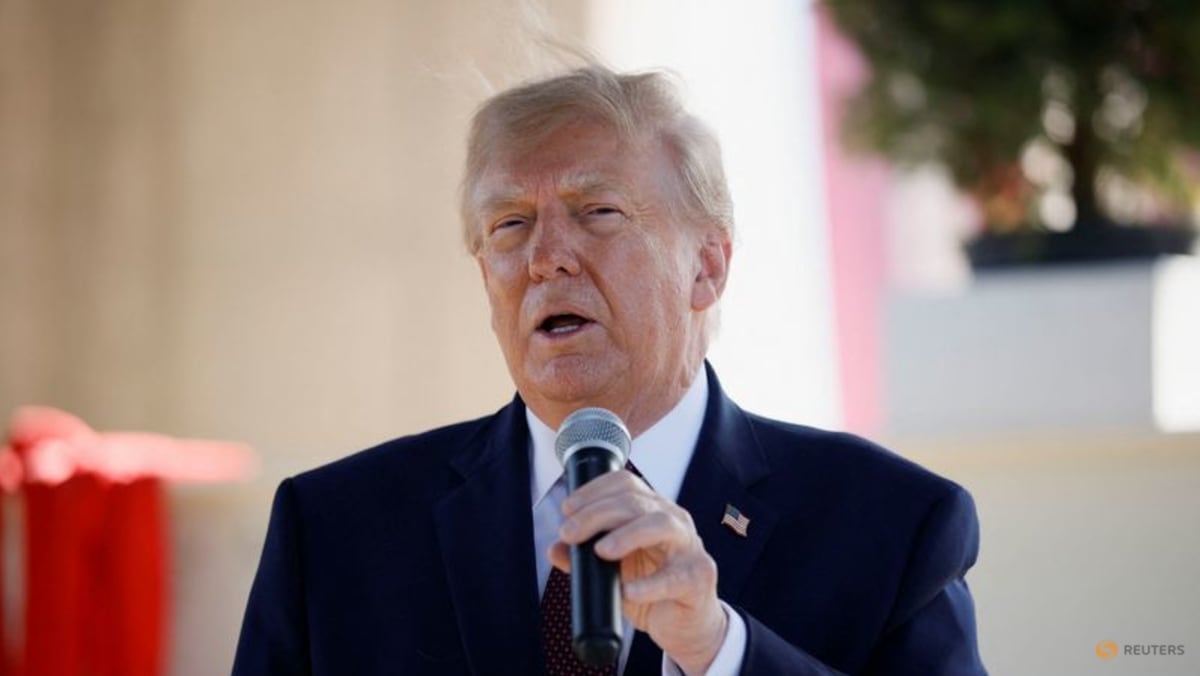
Trump defends Iran war after Republicans lose Congress
The US president said the war was needed to stop Tehran obtaining a nuclear weapon and that he would have done nothing different.