


European Commission hit by cyberattack on staff HR systems
Sysper and the medical reimbursement platform went offline; investigators have not said whether names, pay grades or home addresses were taken.
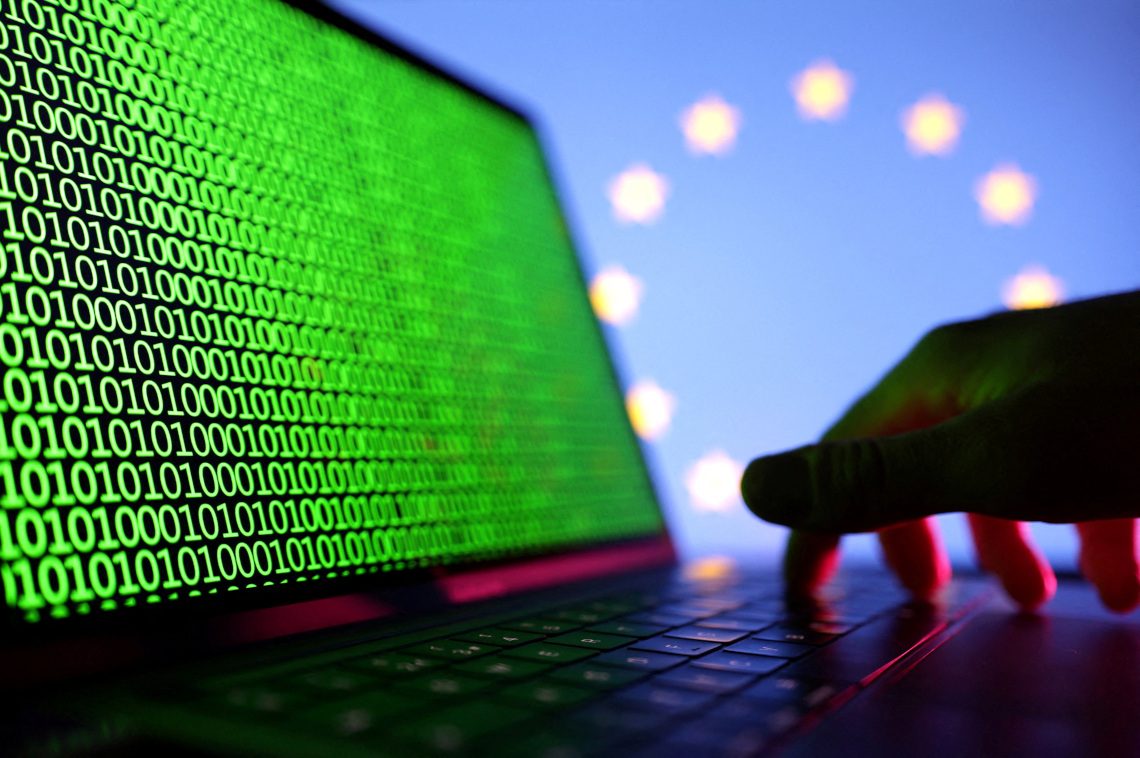
A cyber campaign has taken several internal systems of the European Commission, the EU's executive arm, offline and may have exposed staff data, with investigators still unable to say who was behind it or what was taken.
Commission spokesperson Thomas Regnier told Politico that the institution had "taken the necessary steps in response to a detected cyber campaign" and that "individual systems were targeted and, in line with our standard practice, we have informed those concerned." Anadolu Agency carried the same statement, saying the Commission confirmed those affected had been notified while the extent of any damage remained unclear.
Sysper, the HR platform where staff check pay, request holiday and sick leave, submit timesheets and sign up for training, was working again on Thursday, Euronews reported, citing an official who spoke on condition of anonymity. The Joint Sickness Insurance Scheme, used for medical reimbursements, was still unavailable, the same official said.
Rappler, citing Politico, reported that the disruption lasted around 10 days and that the Commission called an urgent meeting of its highest-level internal crisis management body. Technology Commissioner Henna Virkkunen, who holds the EU's digital policy portfolio, briefed other commissioners on Wednesday, according to that account.
The platforms hold officials' names, pay grades, home addresses and contact details. Access to them would not normally open the Commission's internal documents, which sit on a separate system, Euronews reported. CERT-EU, the cybersecurity service for the EU institutions, is working to establish the scale of any data loss.
The Commission has been hit before. In March, attackers compromised cloud infrastructure hosting its Europa.eu websites and took about 91.7 GB of data, including personal information and email content, Euronews reported. In January, an attack on its central mobile-device infrastructure may have exposed staff names and phone numbers.
No attacker has been identified. The Commission did not immediately reply to requests for comment from Euronews or from Rappler.
How the reports differ
The reports differ on how long the disruption lasted: Euronews described officials locked out for several days, while Rappler, citing Politico, put it at around 10 days. Euronews named the platforms involved, Sysper and the Joint Sickness Insurance Scheme, quoted an unnamed official on their status on Thursday, and alone linked the incident to two earlier breaches this year, in March and January. Rappler carried the spokesperson's statement in full and named Technology Commissioner Henna Virkkunen as the commissioner who briefed colleagues on Wednesday. Anadolu Agency led on the Commission's confirmation that those affected had been informed, with the damage still unquantified, while Reuters and The Telegraph reported the attack at headline level, Reuters crediting Politico.
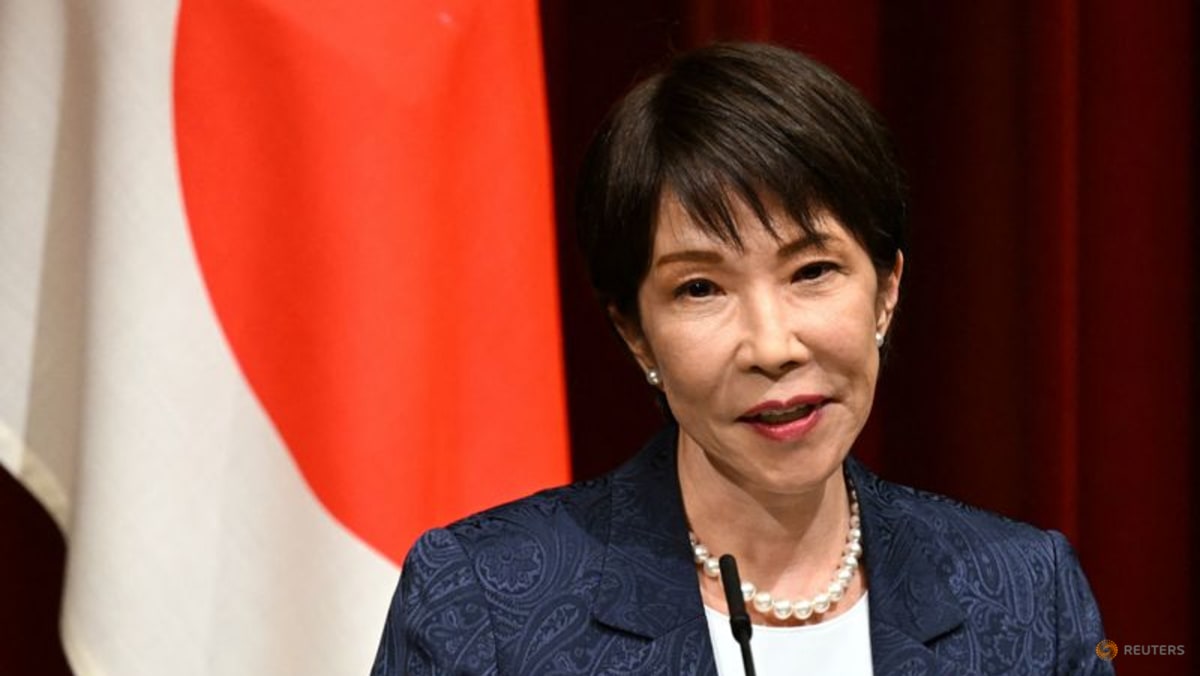
Japan's Takaichi unveils emergency cyber package after attacks
The prime minister says 10 billion yen will start a programme of AI-assisted defences, victim support and specialist response teams.
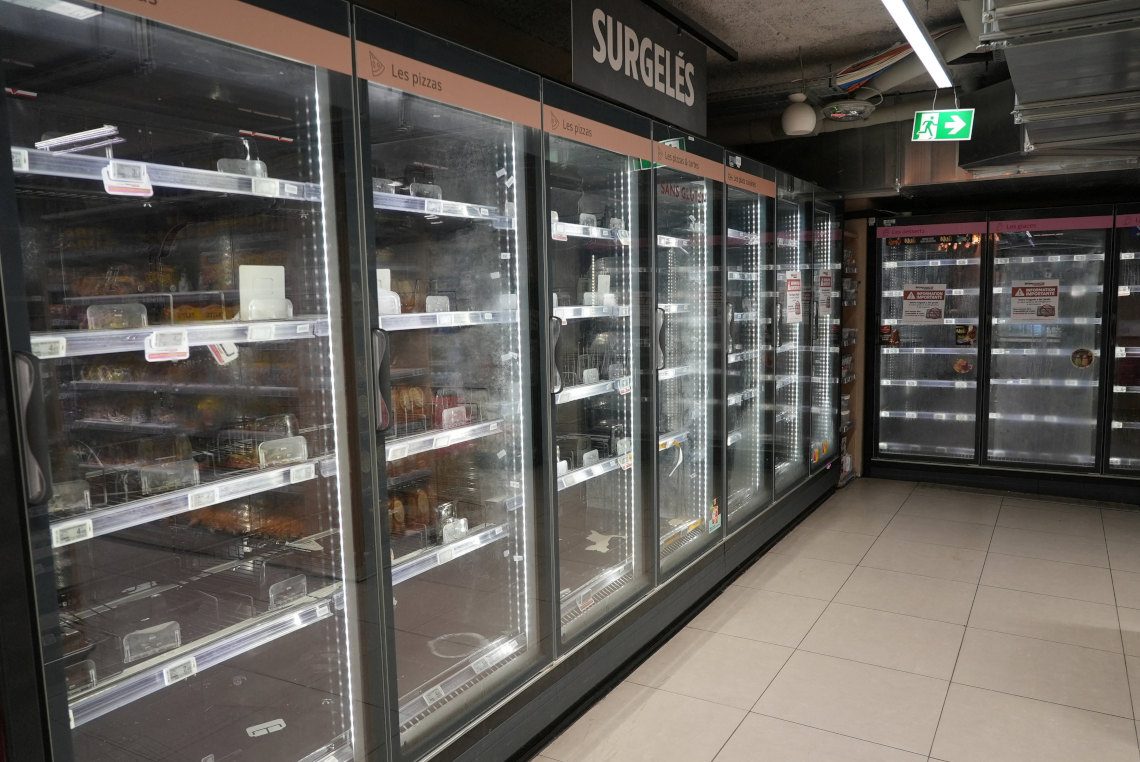
US agencies warn of cyber threat to industrial refrigeration
The FBI, CISA and three departments say hackers could change temperatures in cold storage, causing fires and spoiling inventory.

South Korea orders security checks on 2,100 agencies after data breaches
The spy agency's inspections follow a leak of presidential flight passenger data and breaches at 16 financial firms affecting about 100,000 customer records.

Danish parliament unanimously ratifies US security deal on Greenland
The pact allows Washington to set up a "Golden Dome" missile defence system and new bases while reaffirming Danish sovereignty over the self-governing territory.
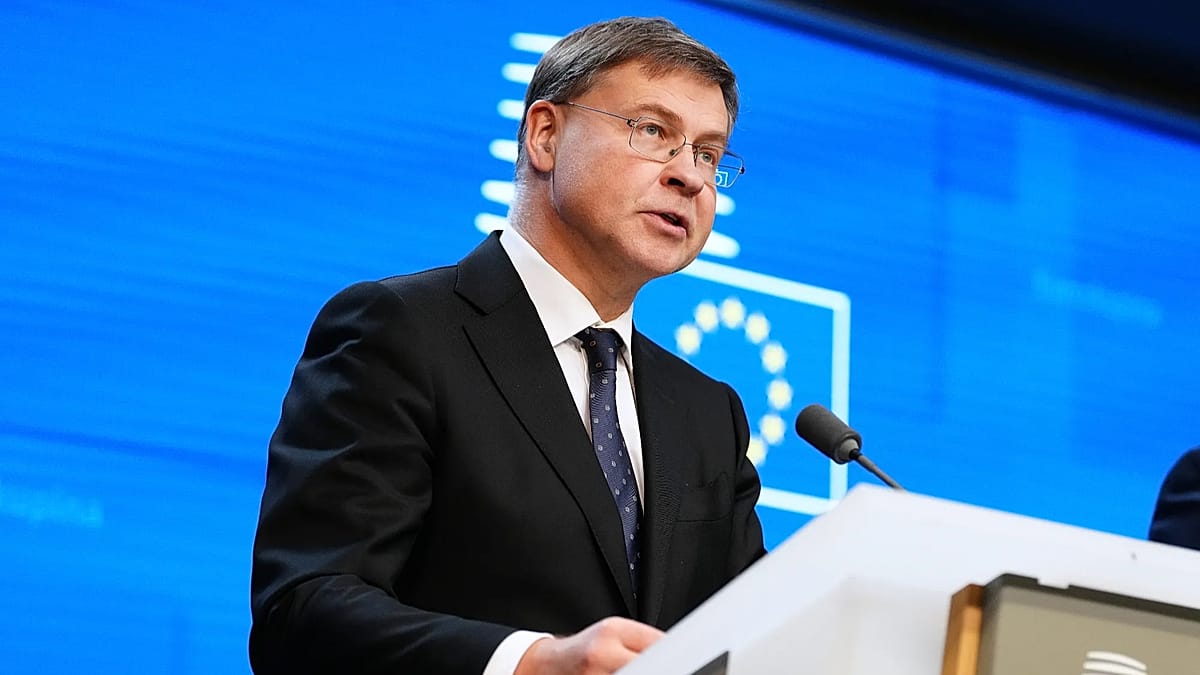
European Commission lifts EU growth forecast, sees inflation above 3%
Growth for this year is now put at 1.4% on strong exports of AI and grid equipment, but energy costs tied to the Iran war keep inflation at 3.3% this year and 3.2% in 2027.
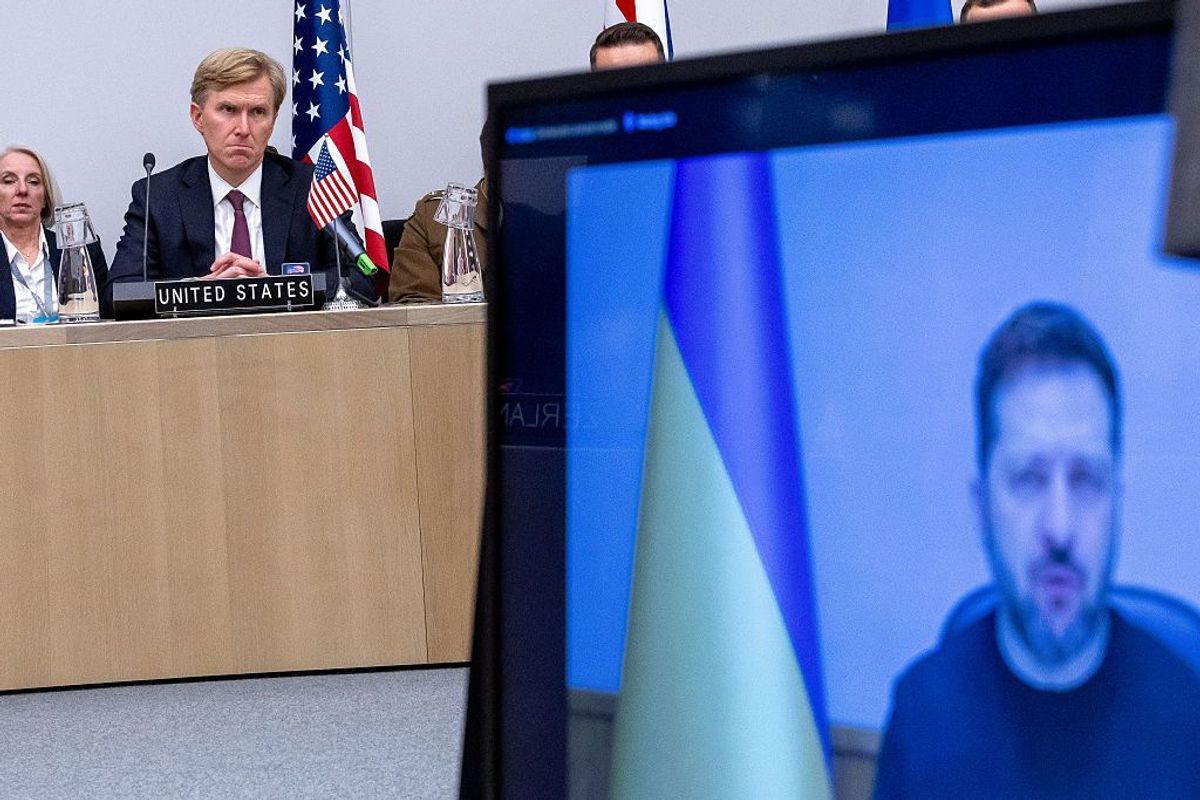
Germany rejects Pentagon criticism of Ukraine's deep strikes
Defence Minister Boris Pistorius called the US warning 'quite stupid' at a NATO meeting in Brussels, as Britain said strikes inside Russia save lives.

UK climate advisers warn weakening EV mandate would miss targets
The Climate Change Committee told Transport Secretary Heidi Alexander that softer zero-emission vehicle rules would raise household costs and leave the 2033-2037 carbon budget short.
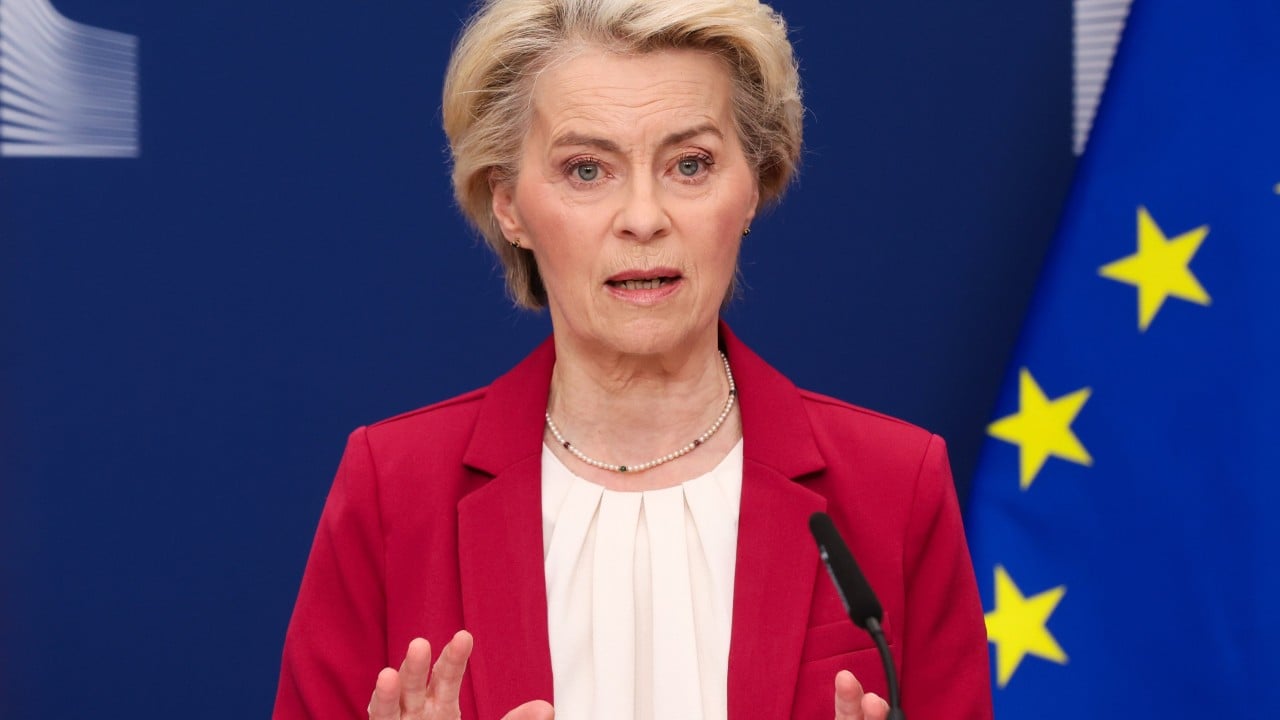
EU proposes €45bn Ukraine loan repaid from Russian reparations
Von der Leyen says the 2027 credit would cover about two-thirds of Kyiv's financing needs and be settled only after Moscow pays for the war.