



Gilgit-Baltistan loses 1,000 households a year to climate disasters, CM says
Amjad Hussain tells the Mountain Women Climate Award 2026 ceremony that glacial outburst floods and flash floods also wreck roads, power houses and schools, costing billions of rupees to repair.

Around 1,000 households in Gilgit-Baltistan are affected every year by glacial lake outburst floods and other climate-related disasters, with homes and crops destroyed and families left to be rehabilitated, Chief Minister Amjad Hussain said on Tuesday.
Speaking as chief guest at the Mountain Women Climate Award 2026 ceremony, Hussain said the pattern has held for several decades and will stay a challenge for years to come, The Express Tribune reported.
"Every year, around a thousand households are affected, houses and crops are destroyed, and the government faces the difficult phase of rehabilitating and resettling the affected families," he said.
The chief minister said Gilgit-Baltistan sits where three of the world's major mountain ranges meet and holds close to 8,000 glaciers. Many settlements lie downstream of those glaciers, he said, where outbursts and sudden floods can damage entire villages.
"The glaciers of Gilgit-Baltistan are a vital water reservoir for the whole of Pakistan, and joint and practical steps at national and international levels are indispensable for their protection," he said, calling for coordinated efforts inside the country and abroad.
Damage goes beyond homes and farmland. Hussain said roads, power houses, schools and colleges are also hit, and that billions of rupees are spent every year putting them back into use. That spending, he said, adds to the pressure on the region's limited development resources.
He said that until recently no dedicated institution existed to protect the glaciers or to study the risks they carry. The Glacier Protection Authority has been established in response to that gap.
Hussain also called for a scientific assessment of how climate change is affecting glaciers at different altitudes, so that protective measures can be based on those findings rather than on general assumptions.
The chief minister has spoken before about the load climate damage places on Gilgit-Baltistan's budget, describing the recurring cost of rebuilding as one of the region's persistent difficulties.
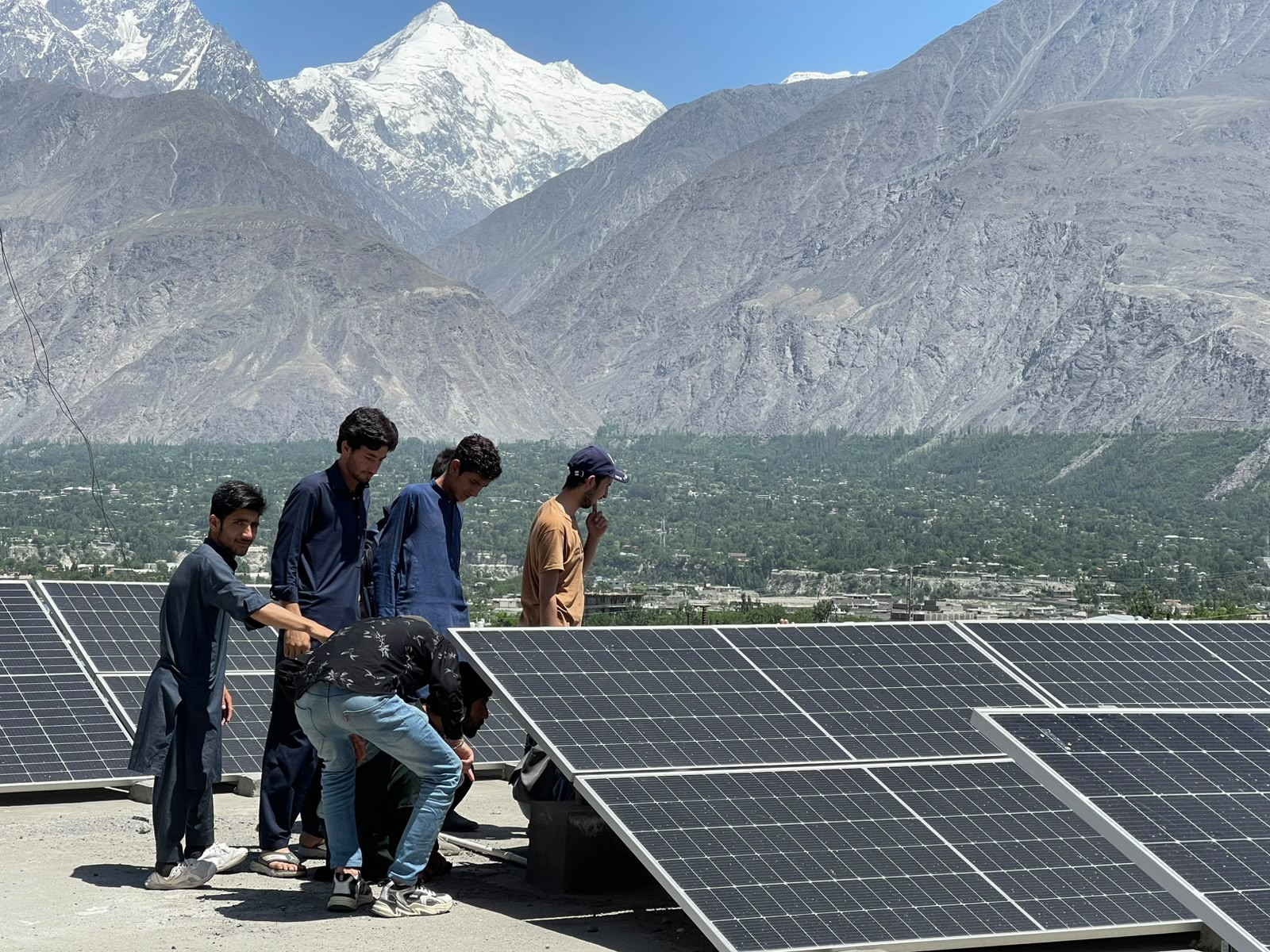
Landslides strand solar panels as G-B subsidy scheme lags
Two trucks have waited a day on the Karakoram Highway near Chilas, and only 12,008 of nearly 148,000 targeted households have collected their free panels.
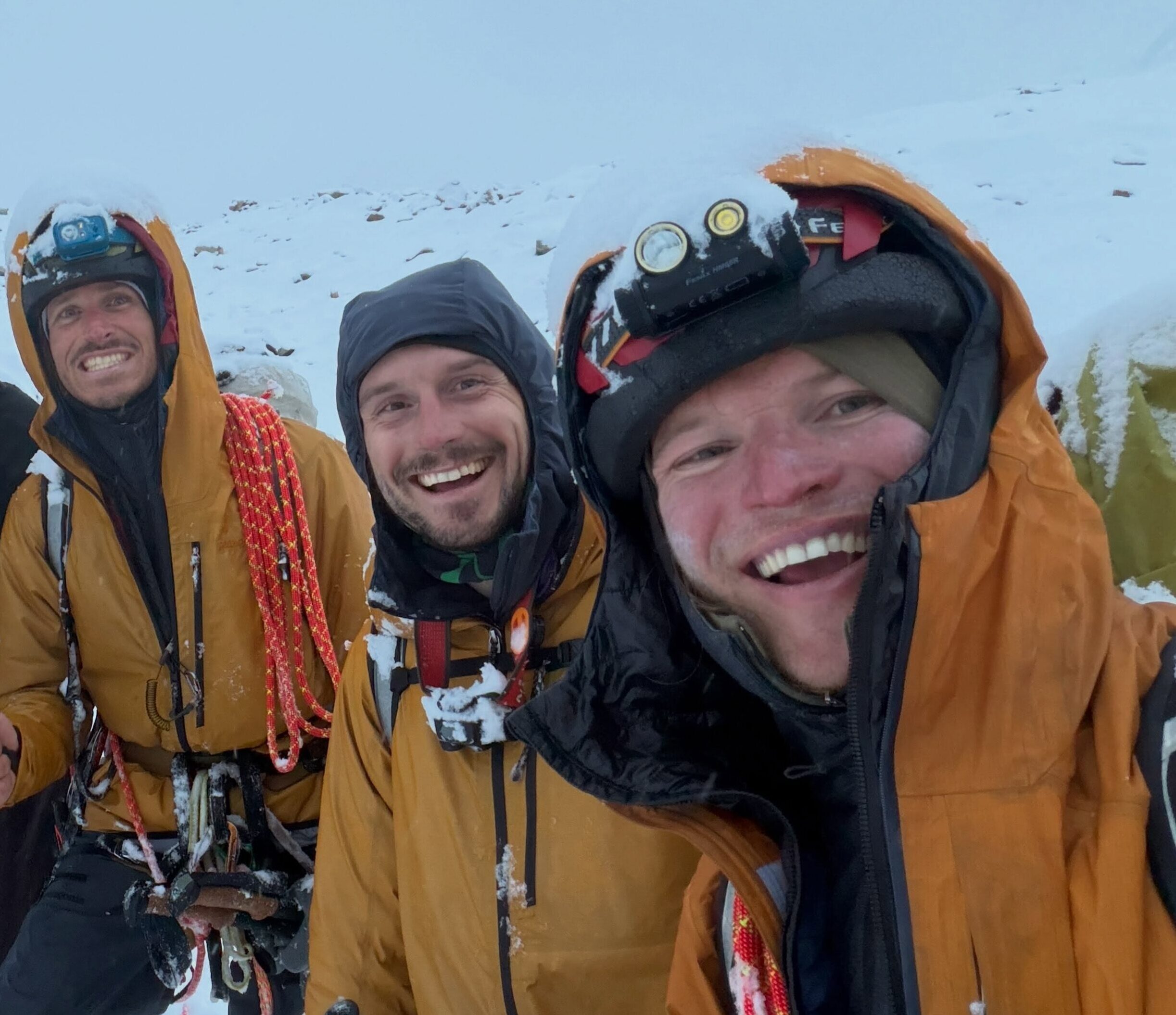
Three climbers open 1,800-metre route on Sosbun Brakk north face
The line on the 6,414-metre Karakoram peak was climbed in October, two months after the usual season, and is graded M7 and WI5.

Gilgit-Baltistan to screen 600,000 people for hepatitis C
The three-month drive, agreed at a meeting in Islamabad, will use 600,000 screening kits and 25,000 PCR kits supplied by the federal health ministry.
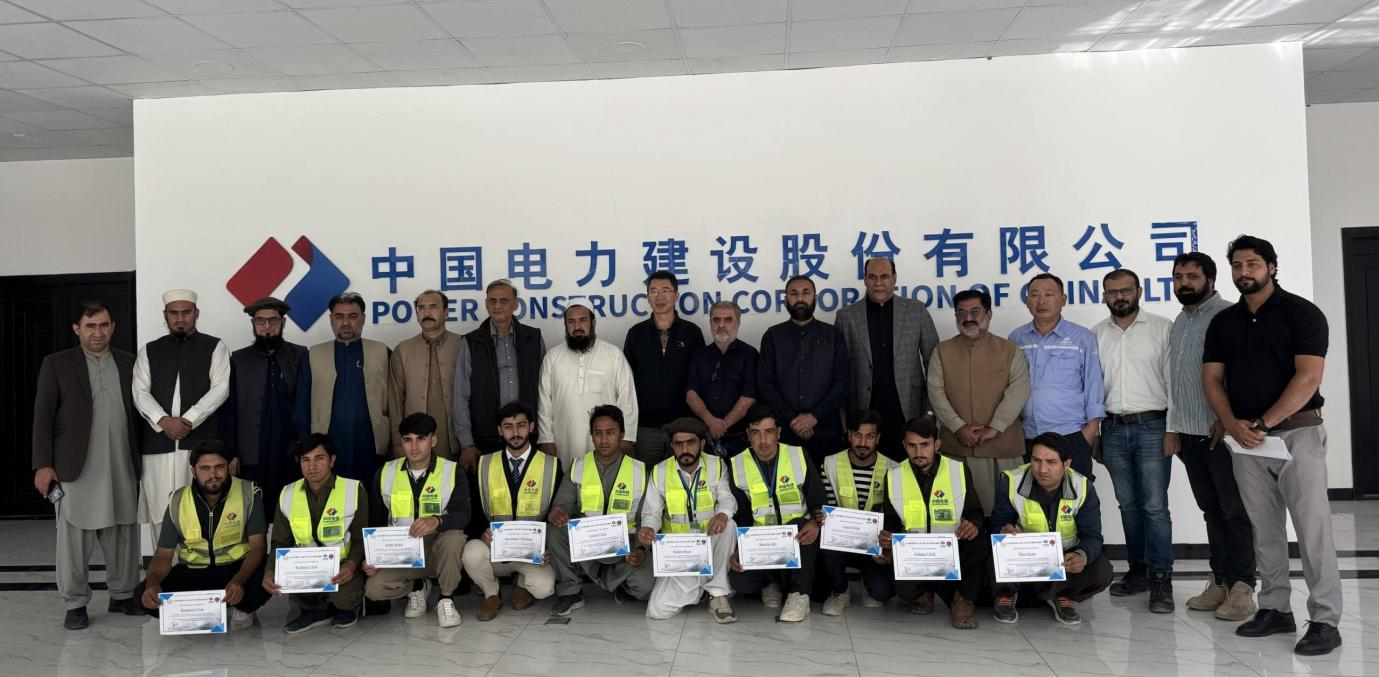
Ten graduates hired at Diamer-Basha Dam after internship
All ten were taken on at the project after a ceremony at the dam camp, and the first two internship cohorts have now employed 14 local young people.
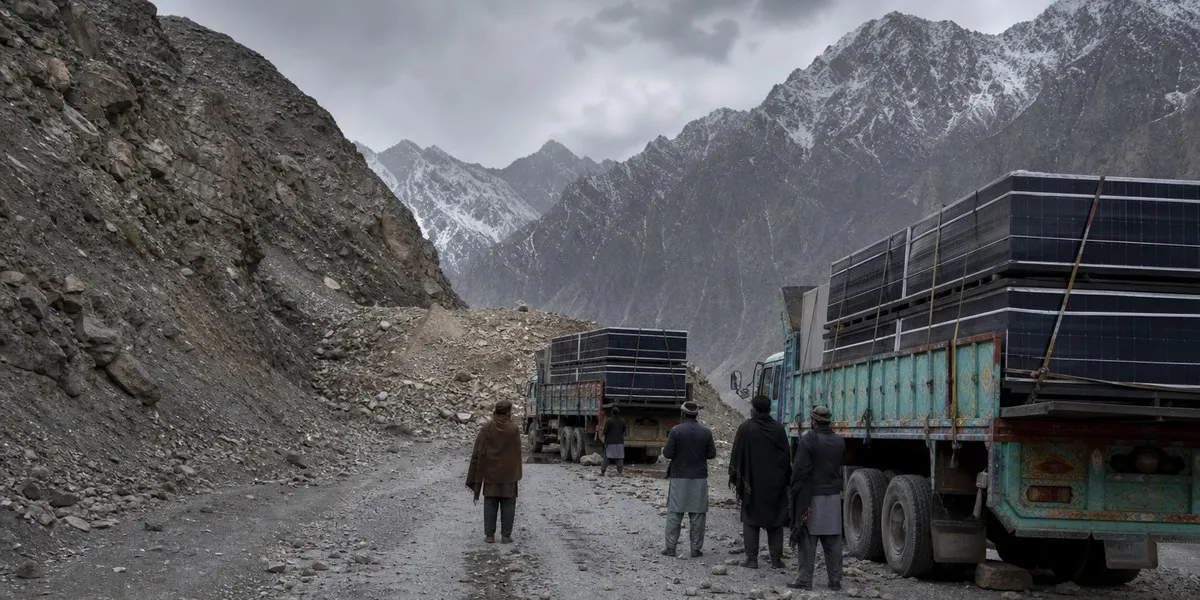
Landslides close Karakorum Highway near Chilas, cut Gilgit power channel
Two trucks carrying solar panels stood on the blocked road for at least 24 hours, The Express Tribune reported, while a slide in Ghizer hit a hydropower channel.
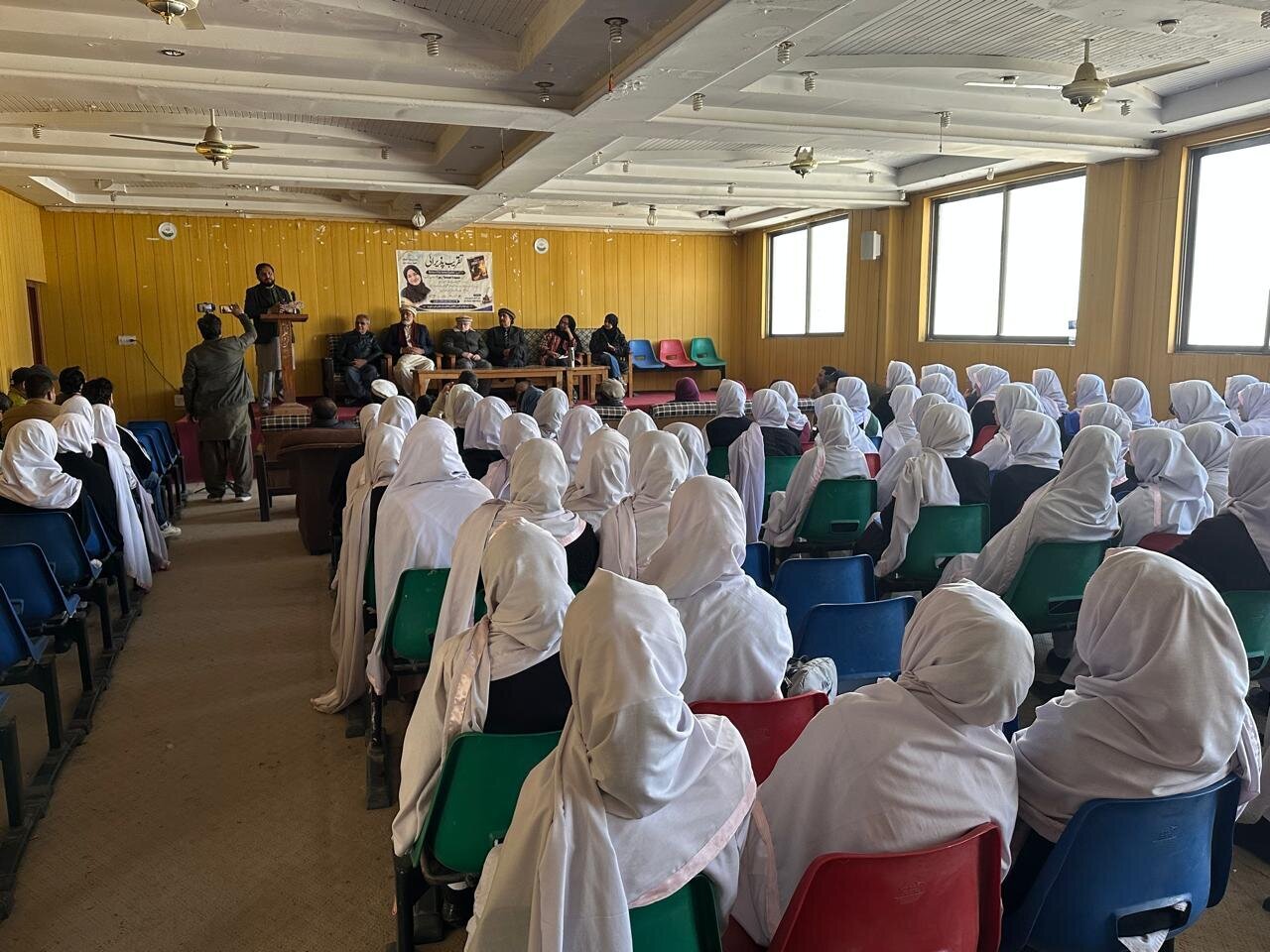
Skardu event celebrates 13-year-old author's novel on Palestine
Speakers at Aiwan-e-Iqbal praised Syeda Minsa Zahra Zaidi's Before the Sirens Came, and her father said 1,000 copies have sold with another 1,000 planned for March.
Auditor General flags Rs10.17bn overpayment to Diamer Bhasha contractor
The 2025-26 audit records 19.95 per cent physical progress against 39.67 per cent financial progress by June 2025 and puts expected completion at 2030.

GB chief minister orders hospital digitisation and nurse redeployment
Amjad Hussain told officials in Gilgit to end attachments for general nurses and technical staff and post them to the region's major hospitals.