



Indonesia's fires worsened by climate change and El Niño, study finds
World Weather Attribution scientists say global heating added 1.6C to the August-October heat, as nearly 3m hectares burned and haze reached Singapore and Malaysia.
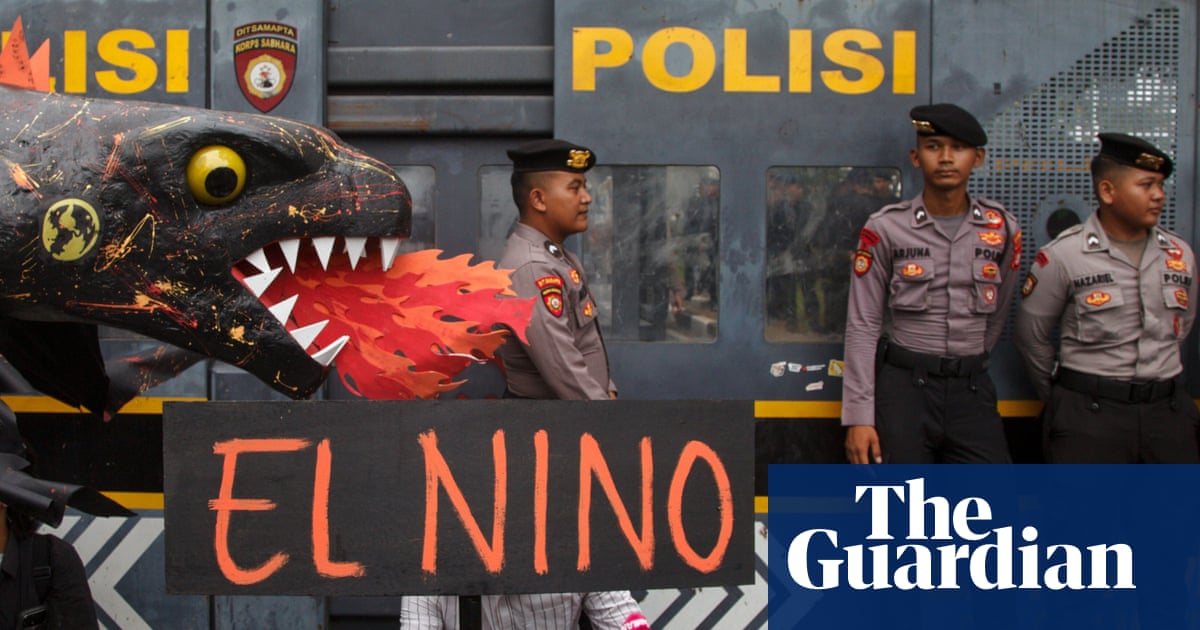
An international scientific analysis published on Thursday found that human-caused global heating and a strong El Niño combined to make Indonesia's fire season the most severe in at least a decade, as nearly 3 million hectares burned and smoke spread across Southeast Asia.
The study by World Weather Attribution, a collaboration of scientists who assess how climate change shapes extreme weather, examined conditions in Java, Kalimantan and Sumatra during the August-to-October peak of the season. Researchers from Indonesia, the United States, the Netherlands, Sweden and the United Kingdom took part, The Independent reported.
Global heating raised temperatures over those three months by about 1.6C, drying land and vegetation, the authors found. El Niño, the natural warming of the tropical Pacific that disrupts weather worldwide, added about 0.3C and cut rainfall by roughly 50 per cent.
"El Niño turned off the taps, but fossil fuel emissions turned up the heat," said Friederike Otto, professor of climate science at Imperial College London and an author of the study, in comments carried by The Guardian and The Independent.
The Guardian reported the researchers found hot, dry air conditions were made three times more likely by climate change and five times more likely by El Niño. The Independent reported El Niño made the season's heat about 11 times more likely, and that the authors called their estimates conservative. The Independent also said the models did not reproduce the study's estimate that climate change cut rainfall by about 15 per cent, and the authors described that role as uncertain.
Land use contributed. Peat swamp forest cover fell by about 45 per cent in Borneo and 63 per cent in Sumatra between 1990 and 2010, and a further 1.4 million hectares of forest on peatlands was lost nationwide between 2009 and 2019, according to the study. Drained peat can burn underground and is exceptionally hard to extinguish.
Nusantara Atlas, a deforestation monitoring group that analyses satellite imagery, put the burned area at about 2.88 million hectares by the end of October, The Independent reported, above the 2.6 million hectares recorded in 2015. Fires are still burning because El Niño has delayed the rainy season by 20 to 30 days, according to Indonesia's Meteorology, Climatology and Geophysics Agency.
Indonesia's health ministry has reported more than 400,000 respiratory infections linked to the smoke, including about 180,000 in children aged nine and under. Haze reached Singapore, Malaysia and the Philippines, and protesters in Jakarta have called on the government to declare the fires a national emergency.
At the COP31 climate talks, Indonesia's special envoy to the president on climate and energy, Hashim Djojohadikusumo, said Jakarta would not trade development for climate action. "We will not choose between development and climate action," Anadolu Agency quoted him saying.
How the reports differ
The Guardian led on the causes, quoting Friederike Otto's line about El Niño turning off the taps and giving space to land conversion, the peatland drainage figures and the 400,000 respiratory infections. The Independent carried the statistical detail the others left out: that El Niño made the heat about 11 times more likely, the vapour pressure deficit measurements in kilopascals, and the authors' caveat that climate models did not reproduce a rainfall decline. NHK framed the study as evidence that climate change worsened the fires, while Anadolu Agency did not lead with the study at all, reporting instead on Indonesia's appearance at COP31 and the envoy Hashim Djojohadikusumo's remark that Jakarta will not choose between development and climate action.
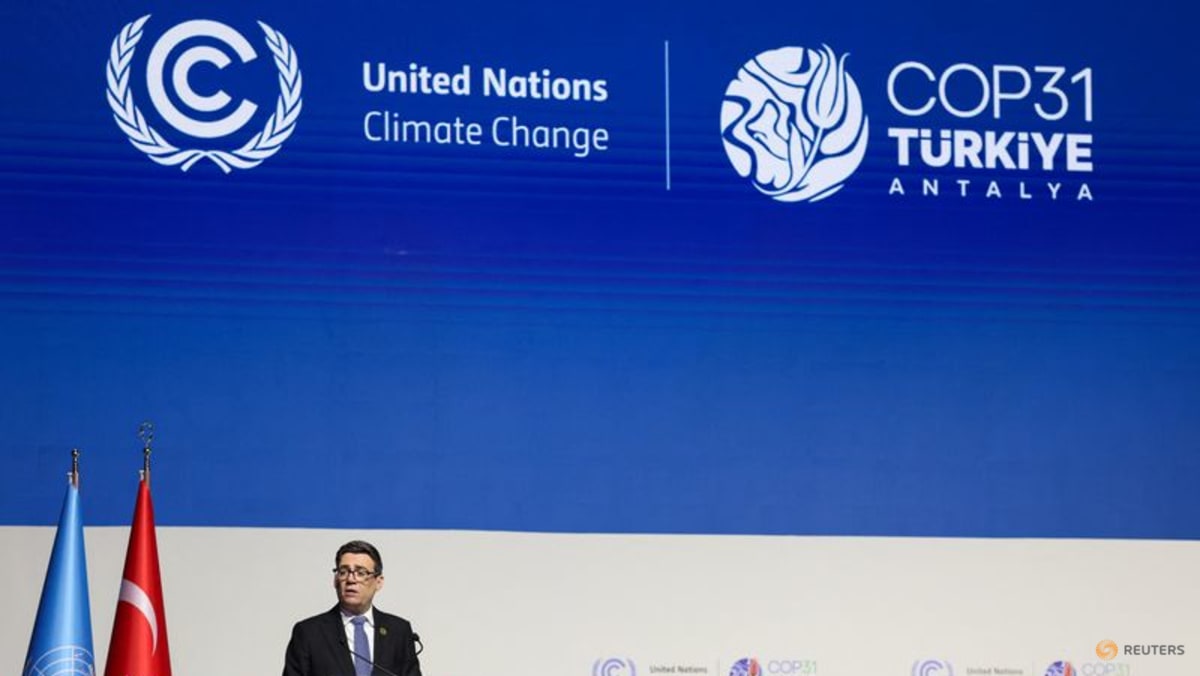
COP31 leaders split on fossil fuels as Antalya talks turn to drafting
Small island states demanded rapid emissions cuts while Venezuela defended its oil industry and Britain backed a Turkish plan to electrify 35 per cent of world energy use by 2035.
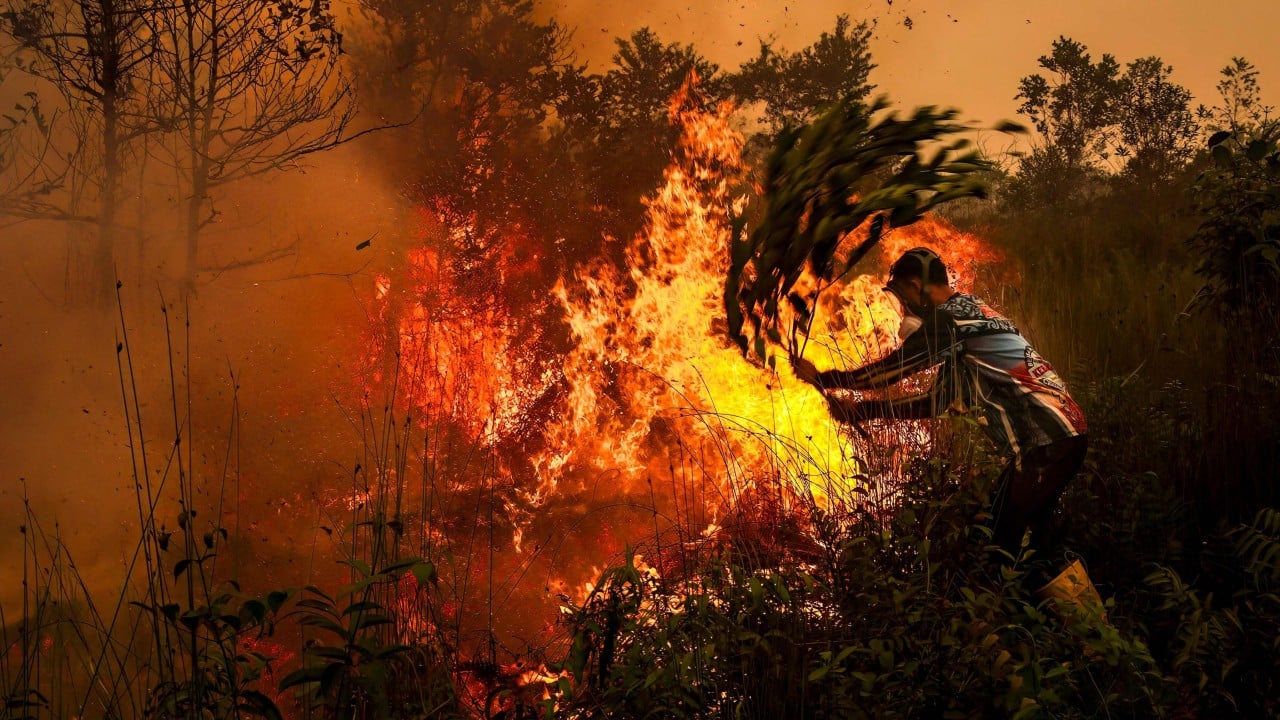
COP31 climate talks open in Turkey without top polluters
More than 70 leaders spoke at the 11-day summit, but China, the United States and India, which together emit over half the world's carbon dioxide, sent no top leaders.
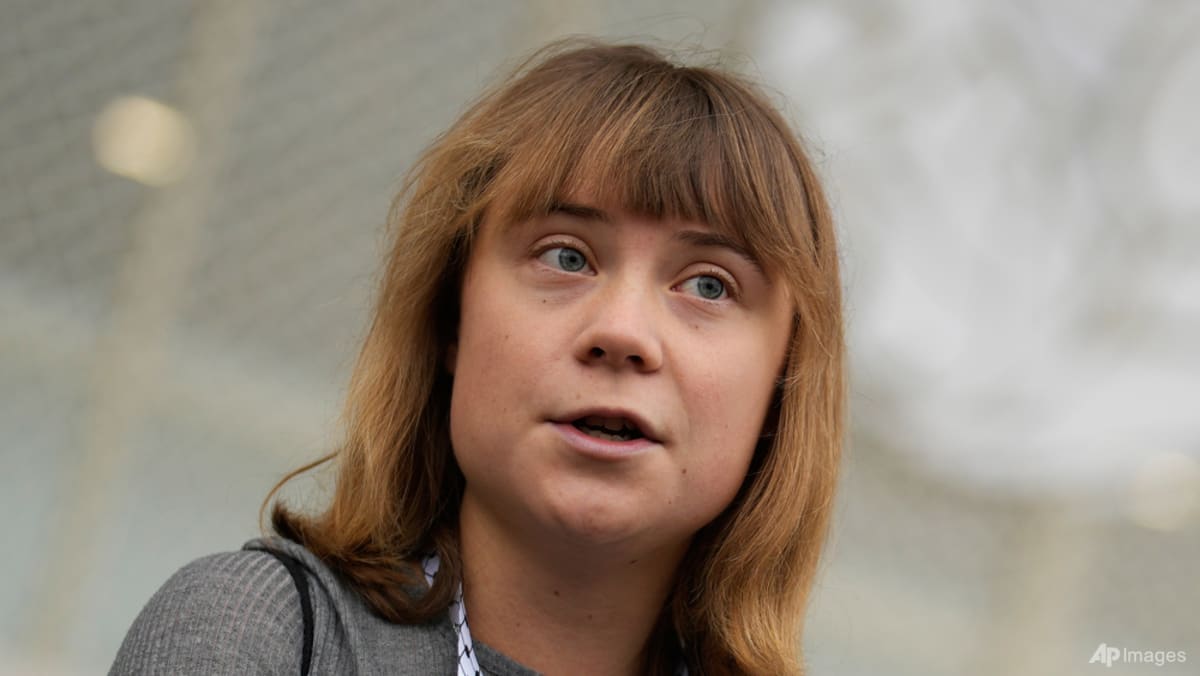
Thunberg arrives at COP31 in Antalya, calls summits 'greenwashed circuses'
At her first UN climate conference since Glasgow in 2021, the Swedish activist also accused host Türkiye of violating basic human rights.

PM Shehbaz leaves for Turkiye to address COP31 summit
He will speak in Antalya on November 11 and press developed countries for predictable climate finance, the Foreign Office said.

US asks Japan to nearly triple troop hosting payments
Tokyo is weighing a counteroffer of about 1.5 trillion yen ($9.5bn) over five years, with the allies aiming to settle the new pact by the end of the year.
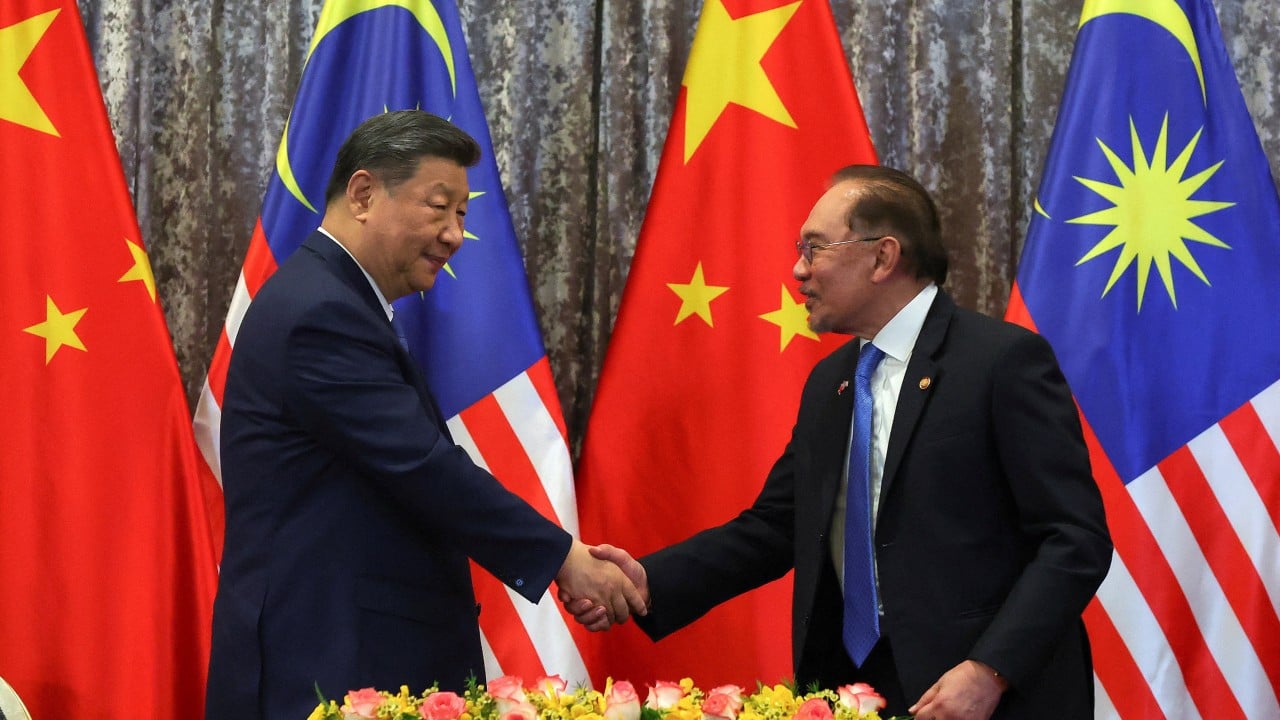
Taiwan pauses Malaysia investment talks over Anwar's China remarks
Kuala Lumpur is seeking a new meeting date and telling Taiwanese chip manufacturers that Malaysia remains open to hi-tech investment.

FBI says North Korean hackers stole $400m through fake video calls
The bureau says more than 900 people in crypto and open-source software were tricked on imposter Zoom and Teams calls over 18 months.

Indonesia's vice president Gibran resigns over diploma dispute
Prabowo accepted the resignation "with a heavy heart" a day after 120 lawmakers moved a petition that could lead to impeachment.