



Singapore seeks US talks on AI chip curbs as Megaspeed probe widens
Washington's interim rule requires licences to ship advanced chips to five countries and to data centres serving Chinese firms anywhere in the world.
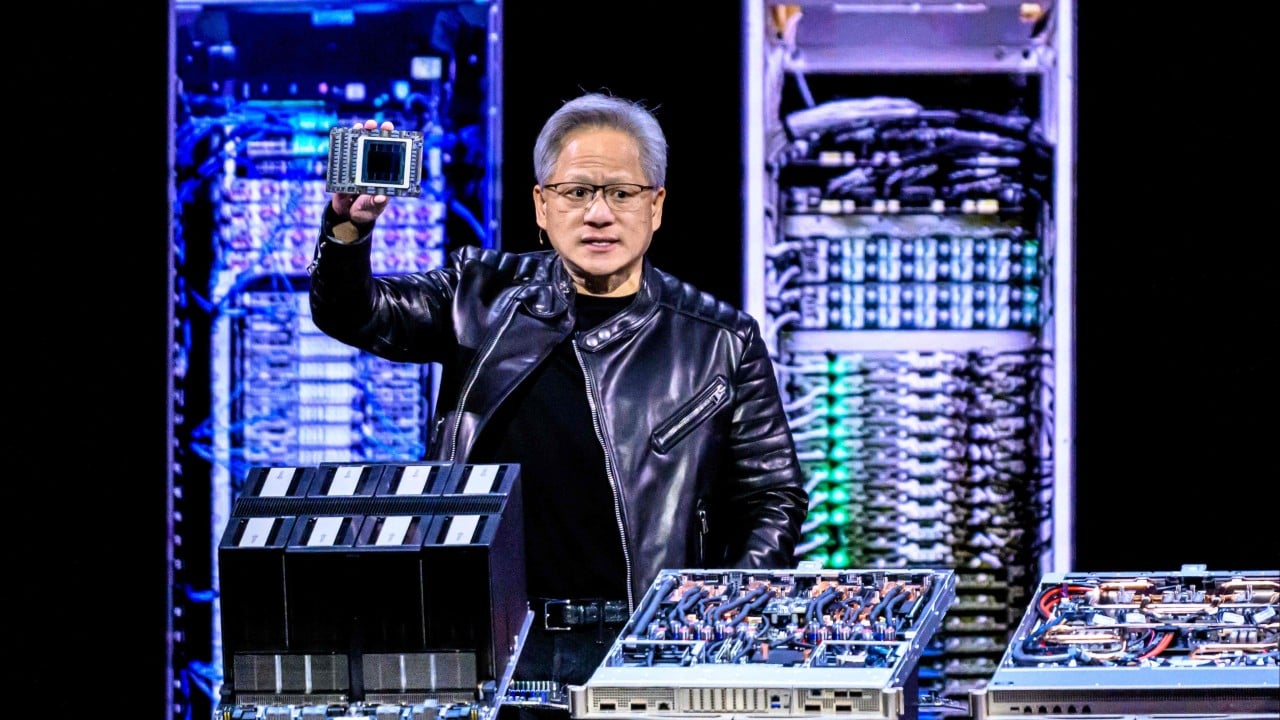
Singapore's government said it is talking to Washington about a new US rule that requires licences to export advanced artificial intelligence chips to the city-state and four other countries, and that it is seeking "trusted access" for companies based there.
The interim rule, issued by the US Commerce Department on Monday, covers shipments, re-exports and transfers of advanced AI chips to Singapore, Indonesia, Malaysia, Thailand and Brazil, according to the South China Morning Post. The Bangkok Post reported that the department justified the list by citing a "higher-than-normal risk of diversion".
The measure reaches past national borders. Data centres anywhere in the world now need a US licence to provide large volumes of computing power from advanced chips to companies headquartered in China, Macau or countries under US arms embargoes, the Bangkok Post reported. It said the rule targets a route by which Chinese firms rented AI computing power from data centres in Southeast Asia running US hardware they could not buy directly.
In a joint statement, Singapore's ministries overseeing digital development and energy, and trade and industry, said: "We are studying the details of this new measure carefully." The ministries said they were engaging affected companies to gauge the impact on their businesses and were speaking to "relevant US authorities on the scope and implementation of the measure, as well as exploring how to facilitate trusted access for Singapore companies".
"We take our international reputation seriously and do not condone companies using their association with Singapore to circumvent or violate the laws of other countries in their international business activities, including export controls," the ministries said. They added that the government would keep safeguarding access to advanced semiconductors and computing power for legitimate companies operating in Singapore and act against those who flout its laws.
The rule follows a scandal around Megaspeed, a Singapore-based cloud computing company that is suspected of helping Chinese firms get around US export controls. The Bangkok Post reported that the affair erupted on 8 November when The New York Times reported that Nvidia chief executive Jensen Huang and Megaspeed executive Alice Huang, who are not related, were romantically linked, and that some in the US government suspected she might be a spy for China. Huang stepped down as Nvidia's chief executive last Thursday.
Megaspeed said on Sunday that Alice Huang left the firm more than a year ago, the Bangkok Post reported.
France 24 reported that US agencies are divided over the fallout: the Treasury wanted to blacklist the Singapore company at the centre of the case, but the Commerce Department did not act, the broadcaster said. France 24 described Huang's departure from Nvidia as "in disgrace".
Singapore's government said it had agreed to continue discussions with the United States about Megaspeed, the South China Morning Post reported.
How the reports differ
The South China Morning Post led with Singapore's push for "trusted access" and listed the five countries covered by the licence requirement, while its second report framed the government's position as an agreement to keep discussing the Megaspeed case. The Bangkok Post set out the rule's global reach, including the licensing requirement on data centres serving Chinese-headquartered firms, and quoted the Commerce Department's "higher-than-normal risk of diversion" finding; it dated Singapore's statement to Tuesday, where the South China Morning Post dated the discussions to Monday. France 24 turned to Washington, reporting that the Treasury wanted to blacklist Megaspeed but the Commerce Department did not act, and said US agencies were squabbling over the fallout. The Winnipeg Sun carried only the trusted-access line, with no detail on the rule or the company.
US tightens rules on foreign access to advanced AI chips
Overseas data centres must now vet customers, and exports to companies based in five more countries will need a licence within 90 days.

Nvidia shares fall 13% after Jensen Huang resigns
Chief financial officer Colette Kress is interim chief while the board weighs successors including co-founder Chris Malachowsky and Arm's Rene Haas.
Military-linked Chinese university bought Nvidia H200 chips despite US blacklist
Records reported by Reuters show the purchase went ahead although the institution sits on a US blacklist; NDTV says the ban dates back 25 years.

Nvidia board opens probe into Huang's affair with suspected China spy
The chipmaker's directors say they still back their chief executive after a New York Times report tied his partner to Chinese intelligence.
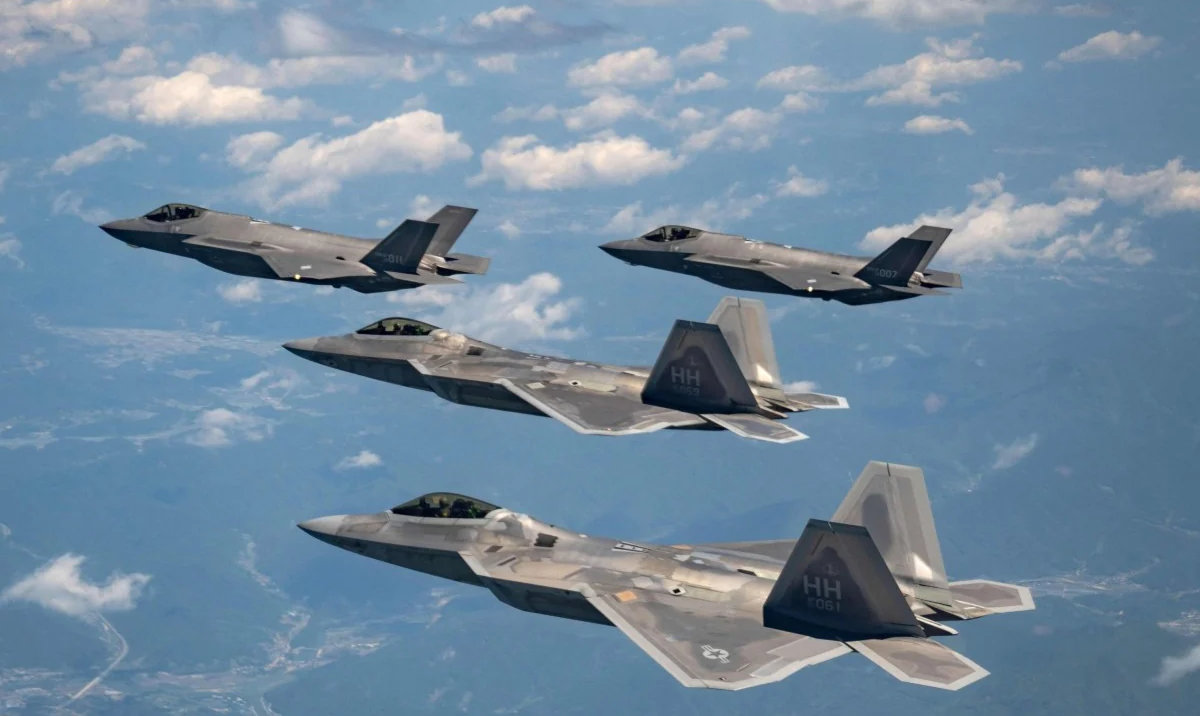
South Korea scrambles jets after Russian aircraft enter air defense zone
Seoul's Joint Chiefs of Staff said the planes left without violating South Korean airspace, and Japan scrambled jets hours later, according to Tokyo.

South Korea ICT exports triple in October on AI chip demand
Semiconductor shipments reached $56.47bn, the science ministry said, and ICT goods made up 61 percent of the country's $115.28bn in total exports.

IMF chief warns world economy stands on one AI leg
Kristalina Georgieva says circular financing among AI companies has passed $1 trillion, two-thirds of it debt-funded, and a wobble in the sector could threaten financial stability.
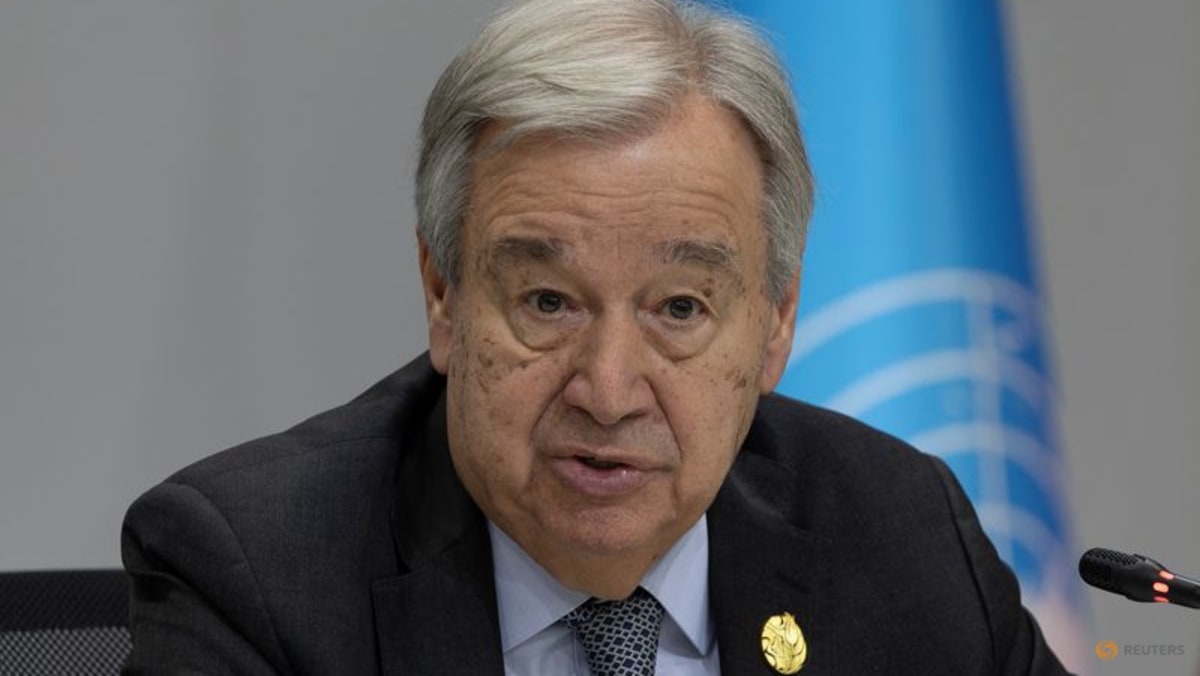
Guterres says UN ready to back US-China-Russia nuclear cuts
Speaking at the ASEAN summit in Manila, the UN chief said no arms deal is guaranteed as Trump prepares to press Putin and Xi in Shenzhen.