UNESCO reports rise in impunity for journalist killings
The UN cultural agency recorded 189 journalists killed in 2024 and 2025, 20 per cent more than the previous two years, and said 86 per cent of cases went unpunished.
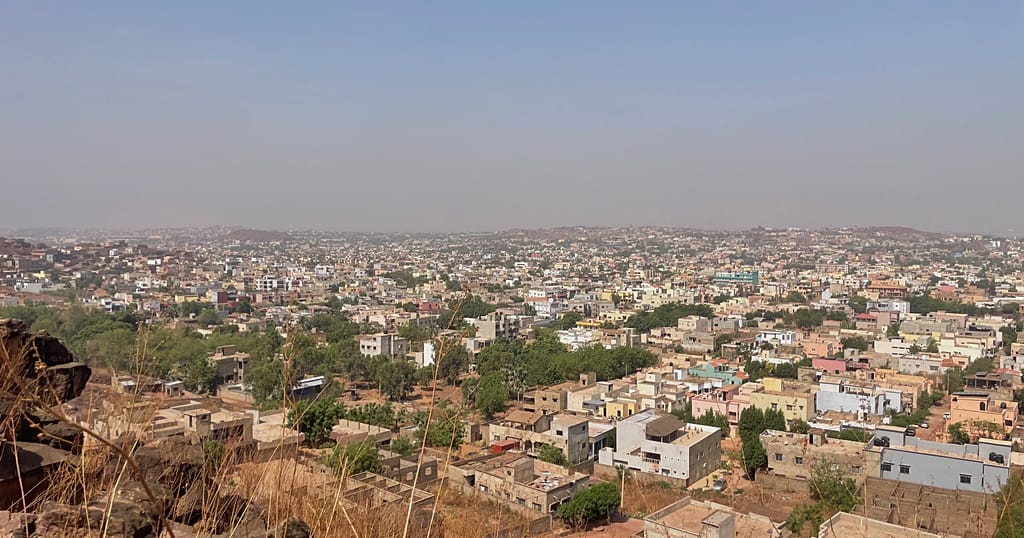
Impunity for the killing of journalists rose for the first time in more than a decade, UNESCO said in a report released on Monday to mark the International Day to End Impunity for Crimes Against Journalists.
The UN cultural agency recorded 189 journalists and other media workers killed in 2024 and 2025, 20 per cent more than in the previous two-year period, and said 86 per cent of the killings went unpunished. More than 1,700 reporters have been killed worldwide since 1993, according to the report, the Director-General's Report on the Safety of Journalists and the Danger of Impunity, published every two years.
UNESCO said 127 of the 189 killings, just over two thirds, took place in conflict zones, and described the use of drones to kill journalists as a "disturbing new threat". Drone strikes killed 50 journalists in the period, 40 per cent of all those killed in conflicts. Fifteen were killed while wearing press vests or travelling in vehicles marked "Press".
By region, the Arab States recorded the highest number of verified cases at 97, followed by Latin America and the Caribbean with 37, Asia-Pacific with 34, Central and Eastern Europe with 14, Africa with 6 and Western Europe and North America with 1. The State of Palestine had the highest toll in both years, 30 in 2024 and 32 in 2025.
Africanews reported separately that reporters in Somalia, Uganda and the Sahel region remained exposed to killings, intimidation and online harassment, and that Reporters Without Borders recorded two journalists killed in Africa this year, one in Uganda and one in Somalia.
UNESCO Director-General Khaled El-Enany said: "Journalists are increasingly paying with their lives for reporting from the frontlines of war and far too often those responsible for their killings are not held accountable."
The report found progress outside conflict zones. Impunity in non-conflict countries fell from 94 per cent in 2012 to 77 per cent, and the 85 killings recorded there were the lowest in 18 years. "This demonstrates that when governments invest in investigations, prosecutions and protections for journalists, progress is possible," UNESCO said.
Women journalists remained at particular risk. Thirteen of the 14 women killed in 2024 and 2025 worked in countries at war, and UNESCO cited a 2025 study by UN Women and the International Center for Journalists that found 75 per cent of women journalists had faced abuse or harassment. More than 40 per cent reported offline violence linked to online attacks, up from 20 per cent in a 2020 UNESCO survey.
El-Enany repeated his call for respect of UN Security Council Resolution 2222, adopted in 2015, which treats journalists and media workers as civilians in conflict.
How the reports differ
Newsrooms framed the impunity figure differently. UN News, AllAfrica and Punch reported that six in seven journalist killings go unpunished, while Africanews and RFI put it at nine in ten. Punch carried the fullest breakdown, including the 86 per cent impunity rate for 2024-2025, up from 85 per cent, and the tolls by region. Africanews led on Africa, saying the continent "continues to face serious challenges" and naming Somalia, Uganda and the Sahel, even as UNESCO's verified count for Africa was six killings. RFI built its report around the 2 November date and the memory of its own journalists Ghislaine Dupont and Claude Verlon, killed in Mali in 2013, while UN News and AllAfrica led on drones as an emerging threat.

RSF adds Trump to 2026 press freedom predators list
RSF published its annual predators list on the UN day against impunity, with A News reporting Trump's inclusion and Kenya counting 92 violations in 2025.

Balochistan journalists observe Black Day against dismissals and unpaid salaries
Black flags went up at press clubs across the province and reporters wore black armbands, with the PFUJ tying the day to the November 3, 2007 emergency.

Journalists, civil society form committee to protect free expression
A Lahore roundtable chaired by Nasir Zaidi agreed to document violations and draft a charter of demands after wider consultations.

Saudi Aramco profit rises a third despite attacks on oil sites
Higher crude prices and a joint venture stake sale lifted third-quarter earnings, with France 24 putting net profit at $36.25bn as attacks disrupted exports.

Iran negotiator says US voters rejected war after midterm defeat
Ghalibaf's warning came as the IRGC reported four tankers ablaze in the Strait of Hormuz and Trump said the war ends when he says it does
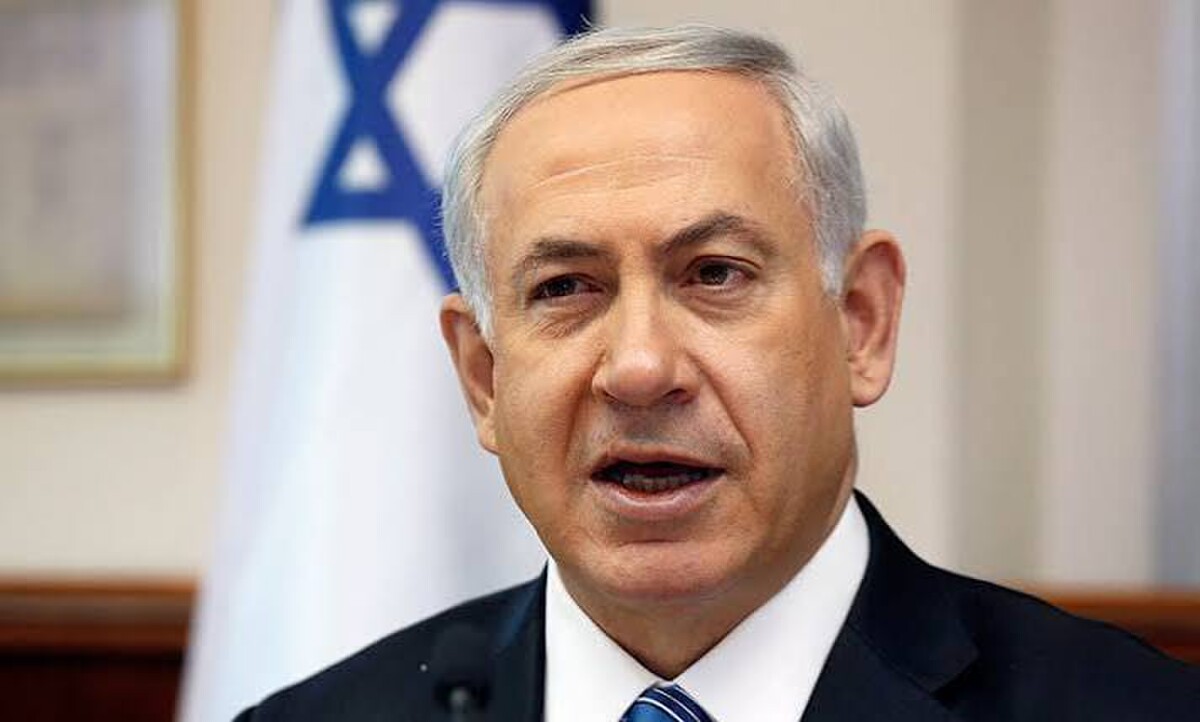
Israel's election committee rejects Netanyahu fraud claims
An audit of 9,069 polling stations found no fraud in the October 27 vote, as President Isaac Herzog prepares to hand one rival the first chance to form a government.
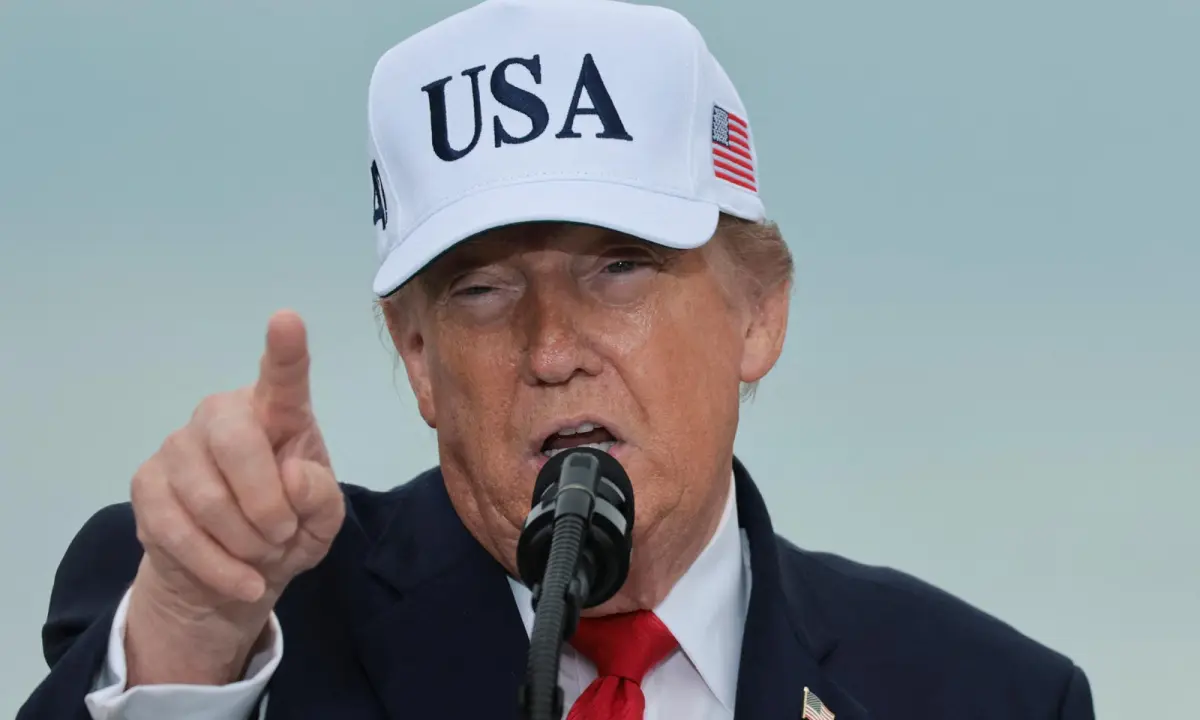
Trump says US will end $4bn annual aid to Israel
The US president told Fox News he and Benjamin Netanyahu agreed months ago to stop the payments, saying Israel no longer needs the money.
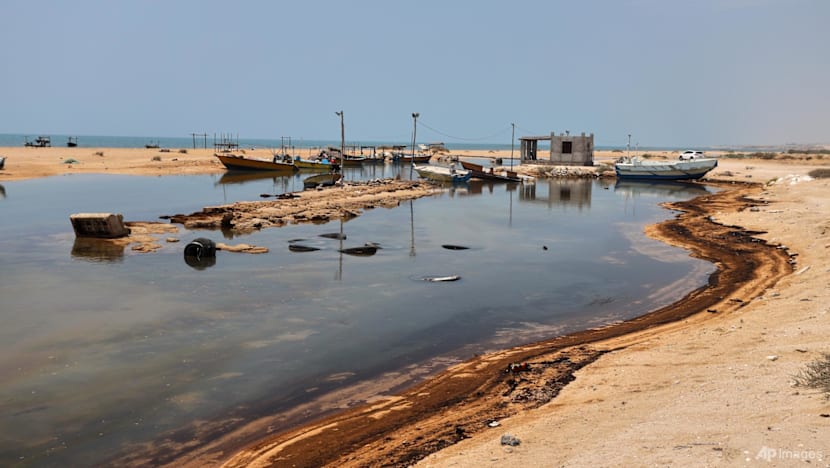
Oil rises after reported US strikes on Iran's Qeshm Island
Officials quoted by Reuters called the operation "defensive"; Anadolu reported explosions along Iran's southern coast and Washington has not announced the strikes.