Urda holds Mass for 69 train crash victims in Spain
A Cambridge cell biologist travelling to collect a science prize was among those killed when a Madrid to Seville train hit a stationary service.
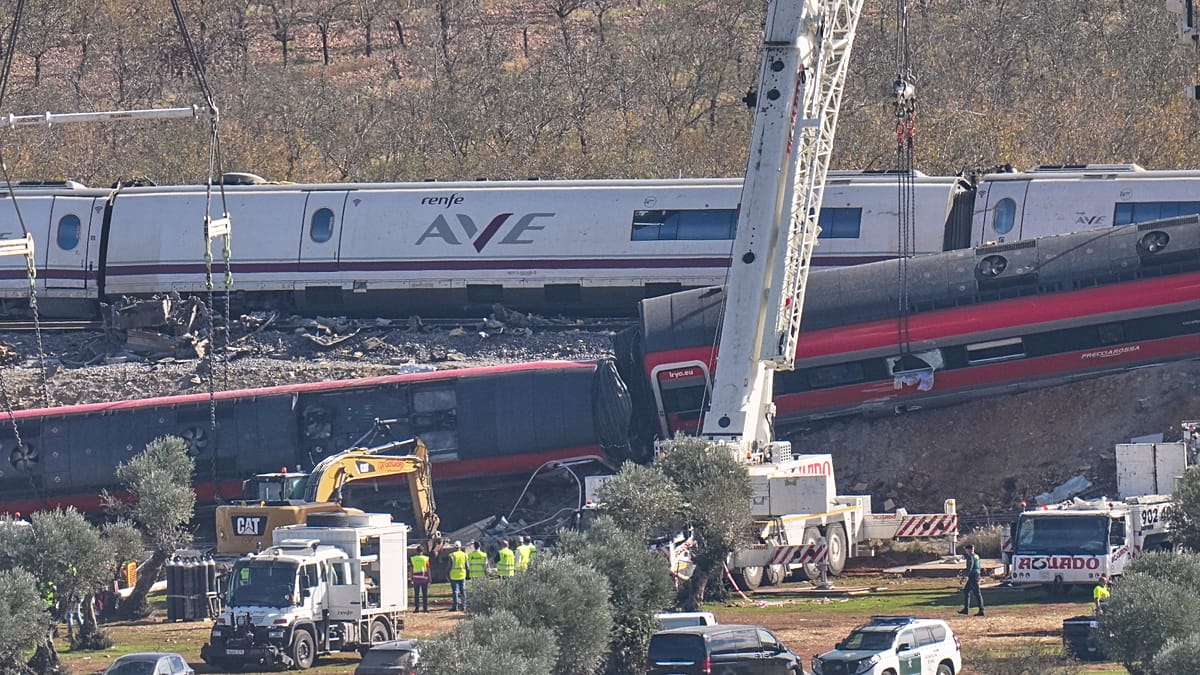
Residents of Urda, a village of about 2,500 people in the central Spanish province of Toledo, packed the San Juan Bautista church on Saturday for a memorial Mass for the 69 people killed when a high-speed train struck a stationary train near the village on Wednesday. Investigators have not said what caused the crash, which CNA described as one of Europe's deadliest rail disasters this century.
The collision happened when a Renfe high-speed service running from Madrid to Seville hit a stationary Iryo train just outside Urda, south of Madrid, according to Euronews. CNA reported at least 69 deaths.
Forensic teams have completed autopsies on all 69 people killed, and 36 had been identified by Saturday, CNA reported. Relatives have been giving DNA samples to help identify the dead while rescue teams continue to search the wreckage.
The Archbishop of Toledo, Francisco Cerro, told the congregation that the days since the crash had been like "a Good Friday for us all" and that "there are no words that can offer comfort" to families who had lost relatives. "Dear families affected by the train accident, you are not alone. Society is with you, the best of society is with you," he said. He thanked healthcare staff, firefighters, police and volunteers for what he called "a genuine wave of solidarity".
Emiliano Garcia-Page, president of the Castilla-La Mancha region, and Urda's mayor, Manuel Galan, attended the service. Galan told Spanish public television before the Mass that residents were "very badly affected, in great pain and with a great need for support".
Among the dead was Marta Shahbazi, a group leader in the cell biology division at the Medical Research Council Laboratory of Molecular Biology in Cambridge and an affiliate assistant professor at the Cambridge Stem Cell Institute. She was travelling to El Rompido in Huelva to collect the 2026 José Luis Gómez-Skarmeta prize from the Spanish Society of Developmental Biology for what the society called her "outstanding contributions to the study of the early stages of human development", Euronews reported.
The LMB said it was "deeply saddened by the tragic death of our colleague". "Marta was an inspiring, talented and passionate scientist. Her death is a profound shock and a huge loss," the laboratory said. The CiMUS research centre in Santiago de Compostela, where her aunt María José Alonso is a principal investigator, confirmed her death and called her a "brilliant young researcher". According to the Society of Developmental Biology, her work examined how the human embryo organises itself during early development and how cells make decisions that determine their fate.
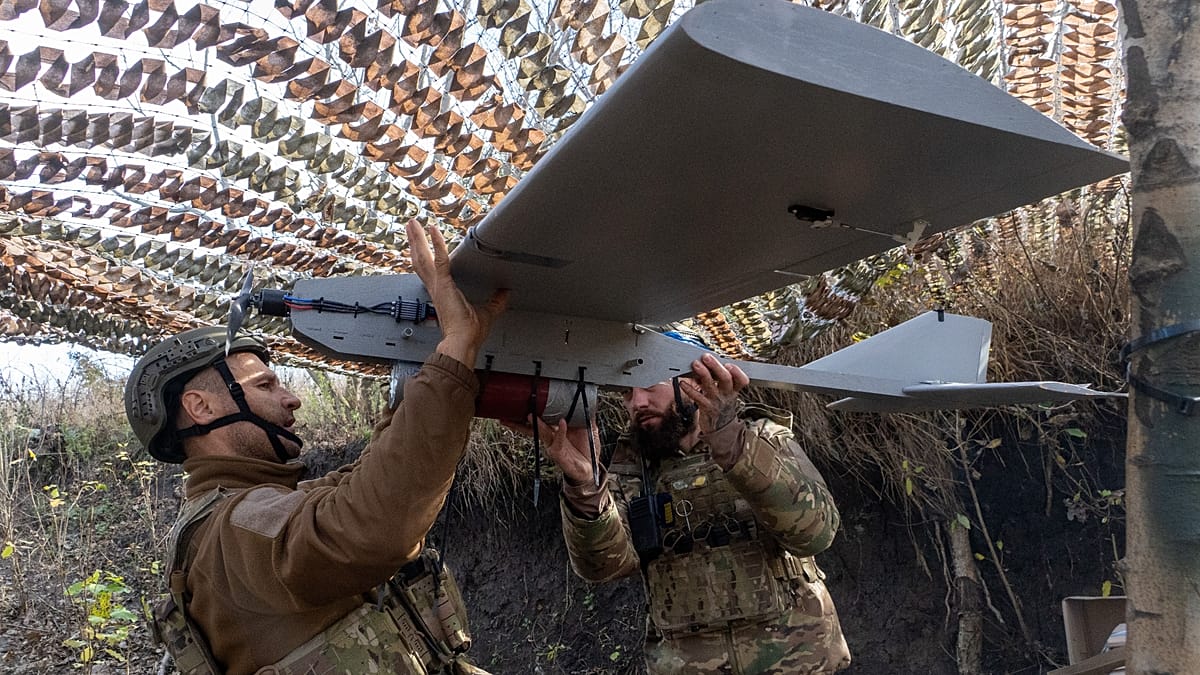
Russia says drones damaged Nizhny Novgorod plant as Ukraine claims refinery hit
Governor Gleb Nikitin reported more than 100 drones destroyed and no casualties; Ukrainian monitors say a Lukoil refinery was the target
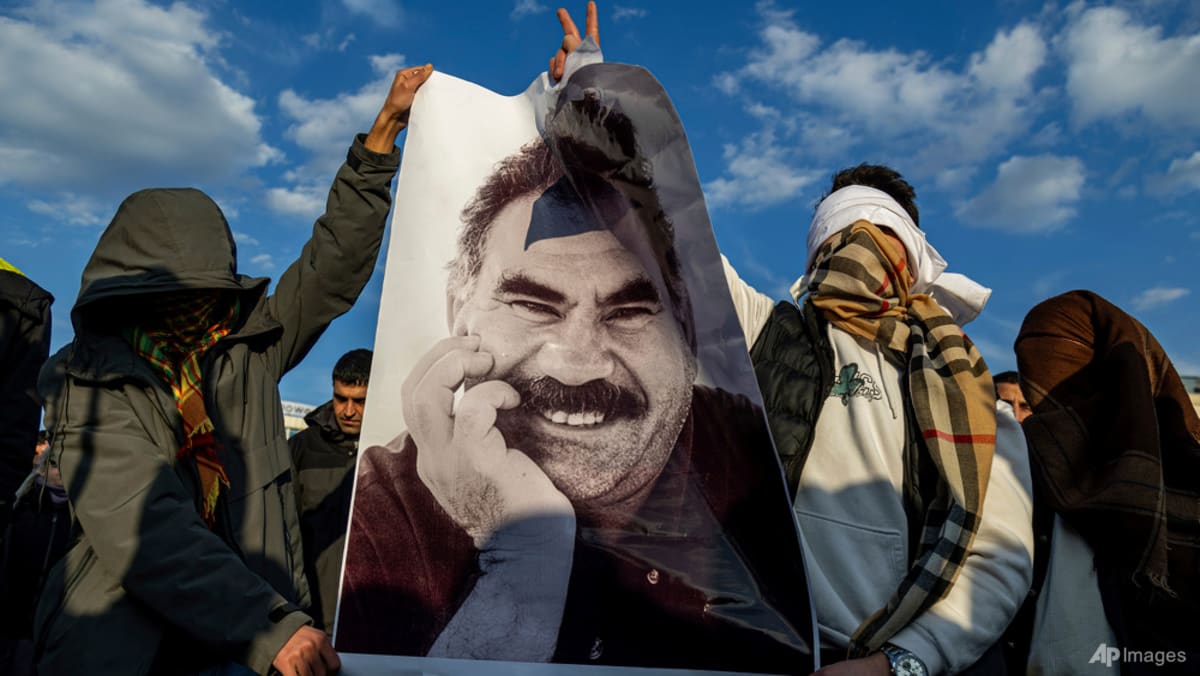
Turkey moves PKK leader Ocalan to new Imrali prison section
Kurdish DEM Party lawmaker Mithat Sancar confirmed the transfer and said the peace process has been paused for two months.

Yerevan nature summit ends with deal and unresolved funding
Nearly 200 countries approved the main COP17 texts early on Saturday, but the Cali Fund stays near empty and science reports were contested.
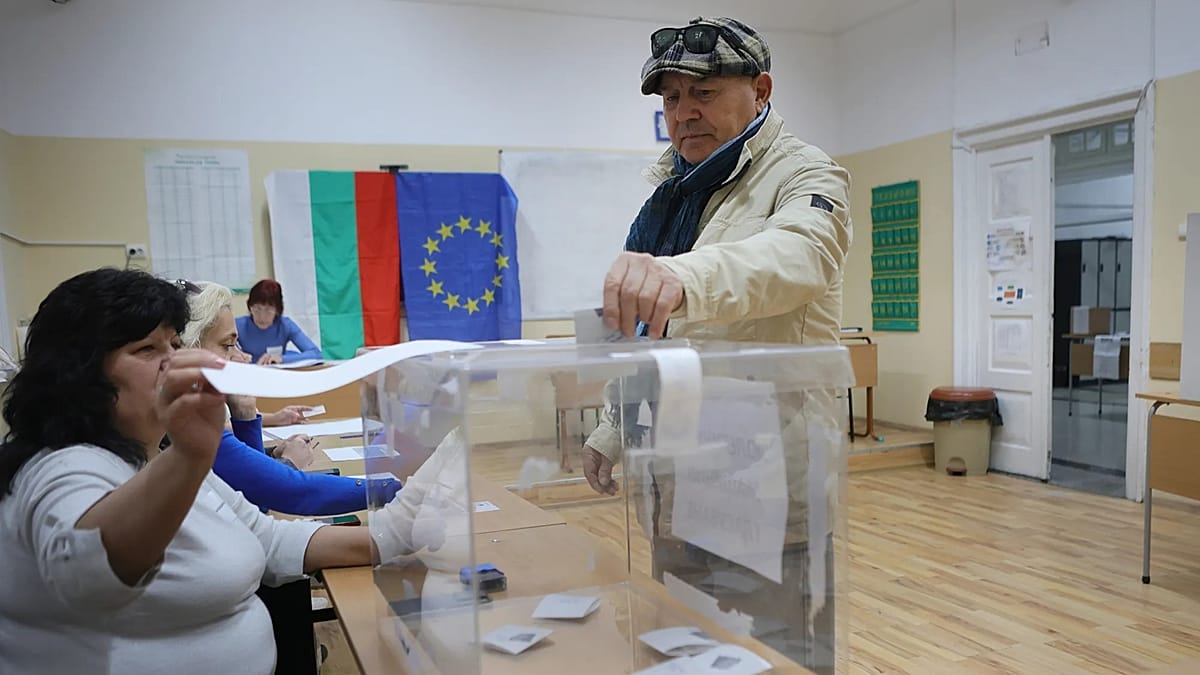
Bulgaria votes in presidential runoff split over Russia
Incumbent Iliana Iotova, who favours talks with Moscow, meets pro-Western challenger Andrey Gyurov after a first round that defied the opinion polls