Brazil publishes non-binding global roadmap to quit fossil fuels
Two documents set out steps any country can take now, but carry no deadlines or benchmarks, drawing criticism that they fall short of the pace needed.
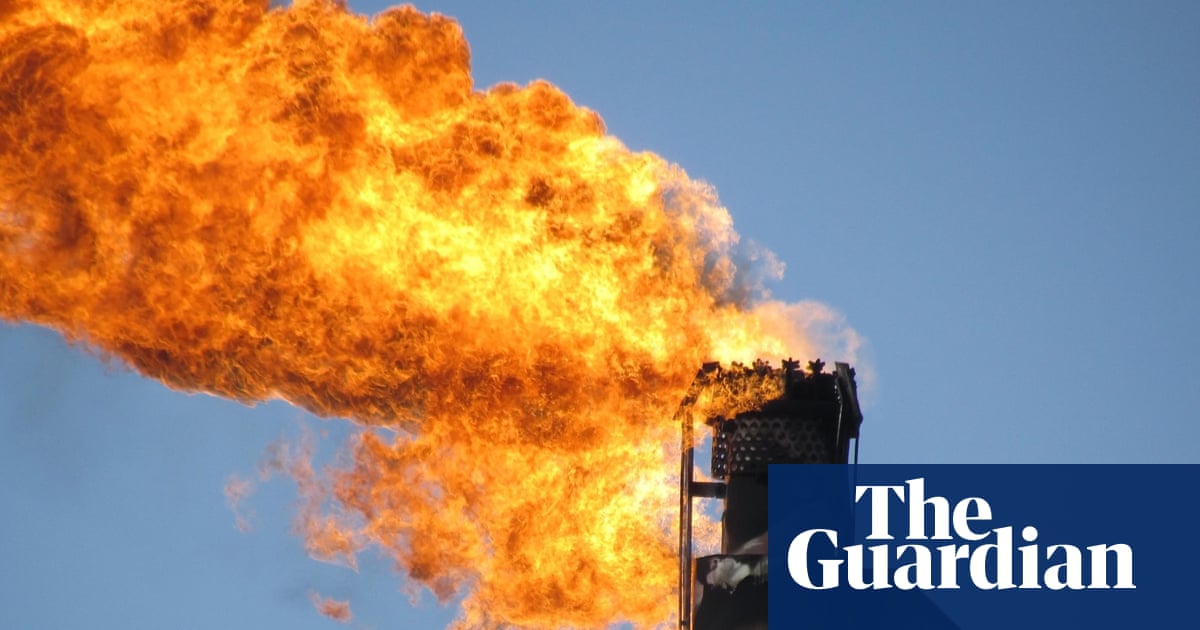
Brazil published two documents on Tuesday that it presents as the world's first global roadmaps for moving away from coal, oil and gas and for halting deforestation. They set out steps any country can begin now, the government said, without waiting for new technology or economic change.
The roadmaps are not binding. They contain no deadlines or milestones, and they leave it to each country to assess its own dependence on fossil fuels and choose which policies to apply.
André Corrêa do Lago, the Brazilian diplomat who presided over Cop30, said the documents are meant to shift the annual UN climate talks from negotiation towards implementation. "There is a different group of people that negotiate and that implement," he told the Guardian. He said finance, transport, energy and infrastructure ministries should take them up.
Brazil hosted Cop30 in Belém, in the Amazon, last November. A dispute over whether the final resolutions should mention fossil fuels ended in a compromise: the presidency would produce two roadmaps, one on "transitioning away from fossil fuels in energy systems in a just, orderly and equitable manner" and one on deforestation.
Suggested steps include cutting the flaring and venting of gas at oil and gas extraction sites, reducing subsidies to fossil fuel production and use, and expanding renewable generation. Methane is a greenhouse gas 80 times more powerful than carbon dioxide, according to the Guardian, so curbing releases from wells would have an immediate effect.
Joeri Rogelj, a professor of climate science and policy at Imperial College London, said the roadmaps are "valuable but fall short of clearly indicating the pace of change needed" because they include no timeline or key benchmarks. Without those, he said, they leave open what is required to meet the Paris agreement goal of limiting warming to well below 2C and preferably 1.5C.
The deforestation roadmap cites UN figures estimating that about $300bn a year will be needed for forests by 2030 and $500bn a year by 2050, against roughly $85bn a year available now. It points to the Tropical Forests Forever Facility set up at Cop30, to which the UK contributed £400m and other countries about $7bn combined, and to the scarce checks on trade in goods grown on cleared land. It notes that local or national administrations have in some cases appeared to condone deforestation; Indonesia is being sued by civil society groups for "gross negligence" over fires that cleared forest, most likely for palm oil plantations.
A separate initiative has produced more prescriptive plans. At a conference in Santa Marta, Colombia, in April, nearly 60 countries formed a coalition outside the UN process, and Germany, France and the Netherlands have since published national phase-out plans.
Cop31 opens in Antalya, Turkey, this month. Brazil published the roadmaps just over a week after President Luiz Inácio Lula da Silva won a fourth term. Deforestation rates fell by about 70% over his previous four years, the Guardian reported. His defeated opponent, Flávio Bolsonaro, had been expected to return to the policies of his father, Jair Bolsonaro.
How the reports differ
The Guardian carried the contents of both roadmaps, the criticism from Imperial College London's Joeri Rogelj and the Cop30 presidency's argument for implementation, and was alone in interviewing André Corrêa do Lago. The Japan Times reported a separate story on Japan's continued issue of transition bonds despite its reliance on fossil fuels, an angle none of the others took. Asia News Network framed its coverage around the ecological crisis ahead of the climate summit rather than around the Brazilian documents. DW's item concerned a digital and AI summit in Berlin, and Carlsquare Corporate Finance carried a FAZ interview on Germany's investment climate.
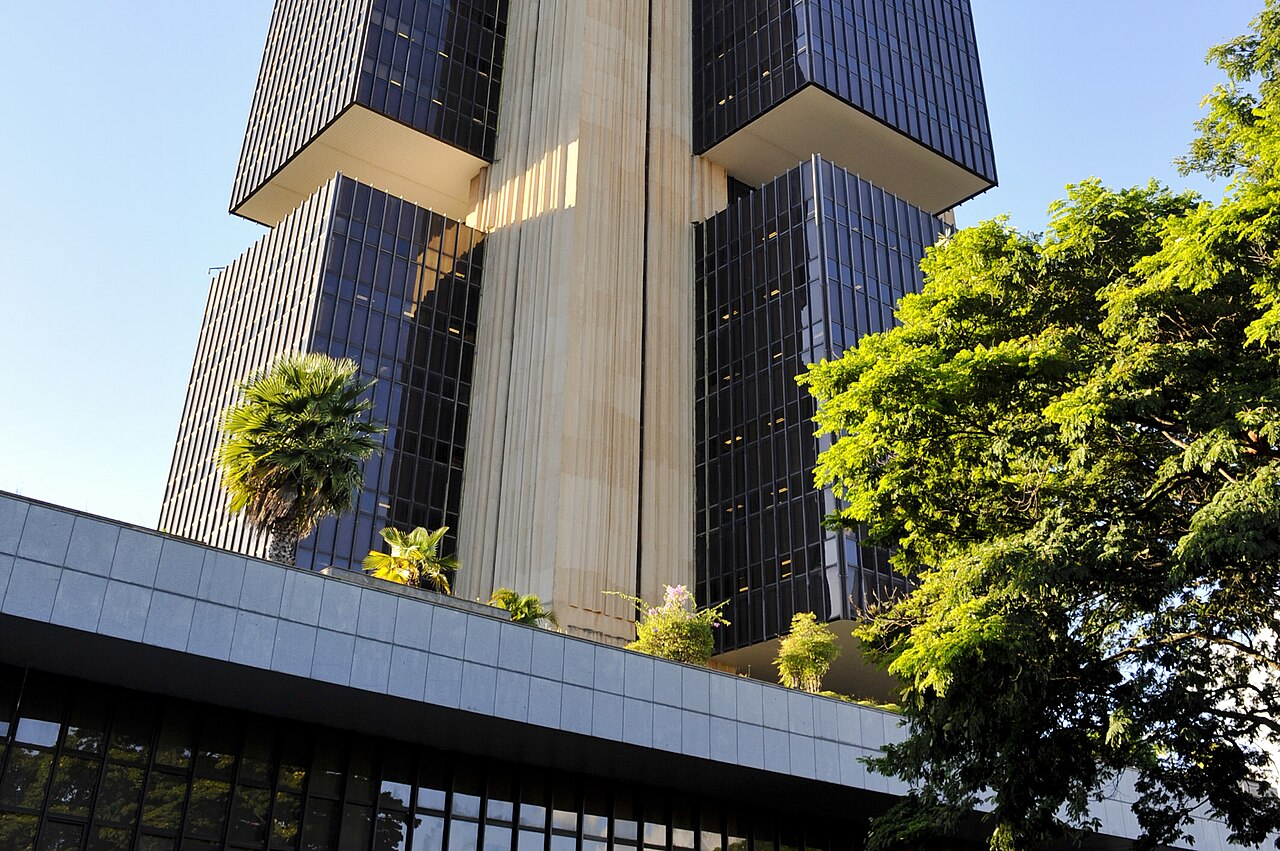
Brazil finance minister denies plan to cap interest rates
Dario Durigan says no freeze of the Selic is under study, a day before the central bank decides whether to keep cutting.

Brazil defaulters hit record 84.2 million, Serasa says
The credit bureau's September map puts overdue debt at 597.4 billion reais, with the central bank's next rate decision due on Wednesday.

Argentina's oil boom lifts Neuquén as Buenos Aires sheds jobs
Inflation has fallen from near 300 percent to about 30, but 265,000 formal private-sector jobs have gone and approval for Javier Milei has slipped to 39 percent.
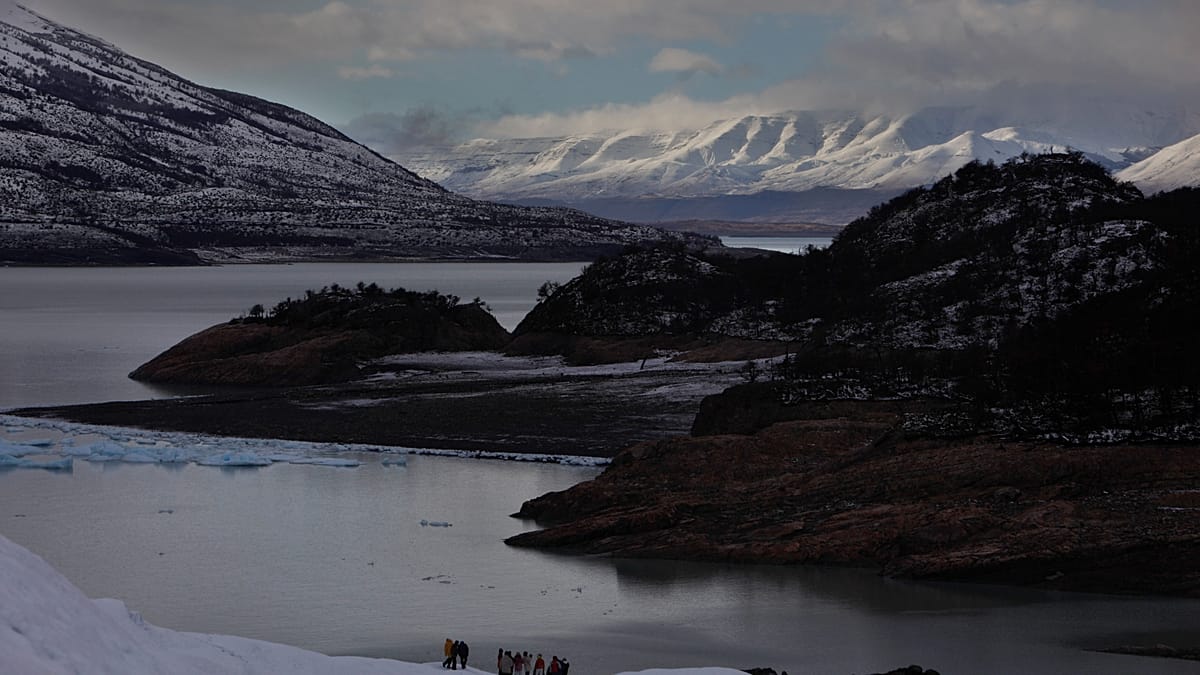
Argentina's Milei offers tax breaks to lure AI data centres to Patagonia
The president says he will not regulate artificial intelligence and wants corporate tax cut to 15% for projects of at least $1 billion, a bill still before the Senate.
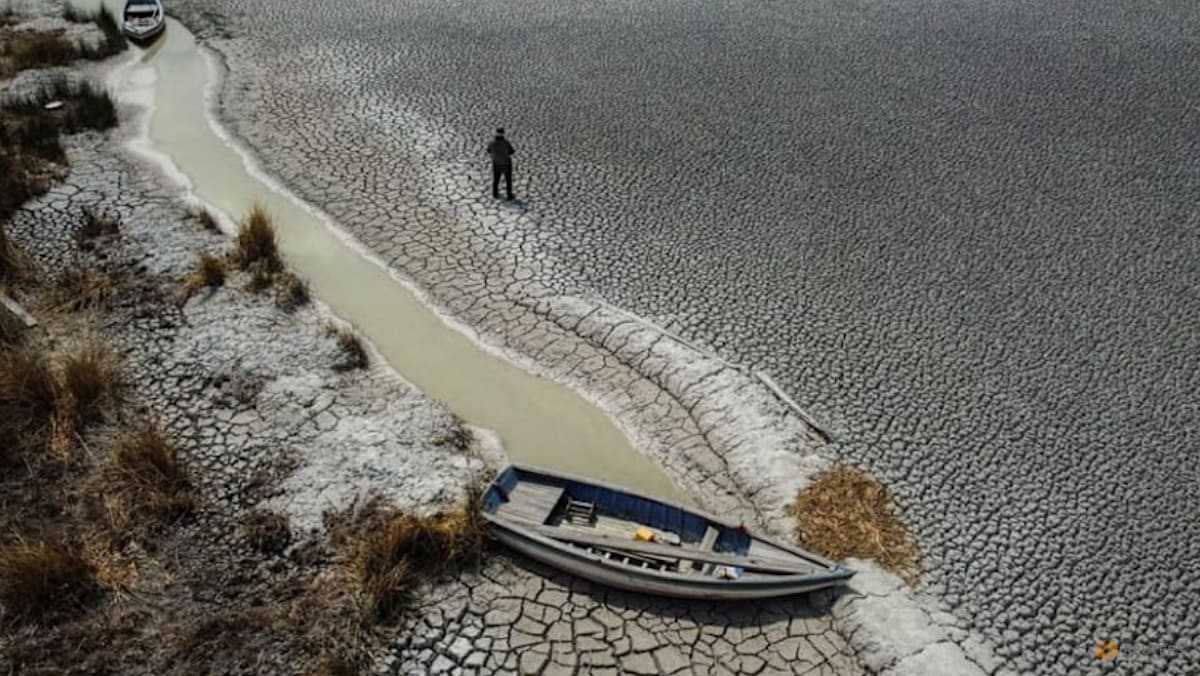
Bolivia declares El Nino emergency as drought hits 78,000 families
President Rodrigo Paz says the decree releases resources and rescue teams, with drought in six of nine departments and more than 75,000 cattle lost.

Rubio denies US role in Flavio Bolsonaro's flight from Brazil
An Argentine judge has ordered Javier Milei's government to hand over details of its assistance to the Brazilian senator, the Buenos Aires Times reports.

El Niño forecast puts farmers from Chad to Nigeria on alert
WMO expects the pattern to strengthen before a December peak, as Chad's Wadi Fira counts drought losses and a Nigerian state warns of heat.

Two UN reports warn 1.5C overshoot will irreversibly damage Earth's ice
The studies say glaciers, sea ice and frozen ground face impacts that cannot be undone, and call for action to keep warming inside the Paris Agreement limit.