



COP31 negotiators in Antalya strip fossil fuel language from draft
The revised text, published a day before the summit's Friday deadline, came after campaigners warned that a carbon capture target in the first draft could prolong oil and gas dependence.
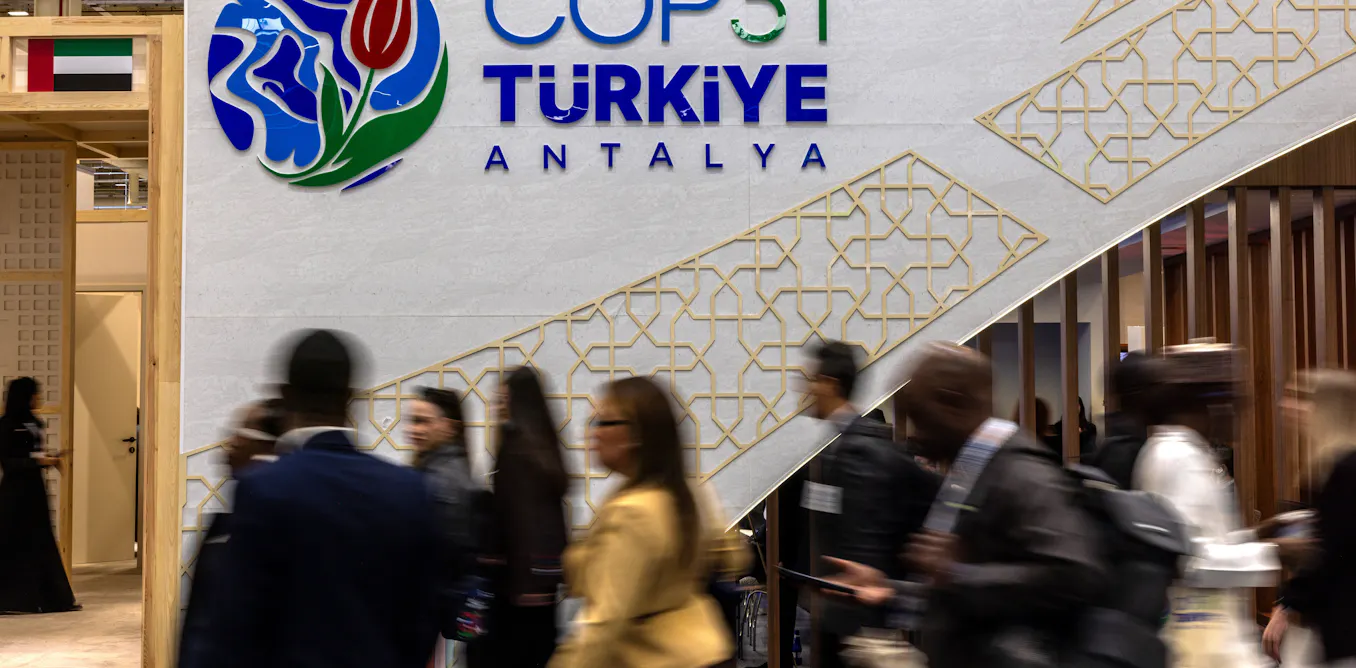
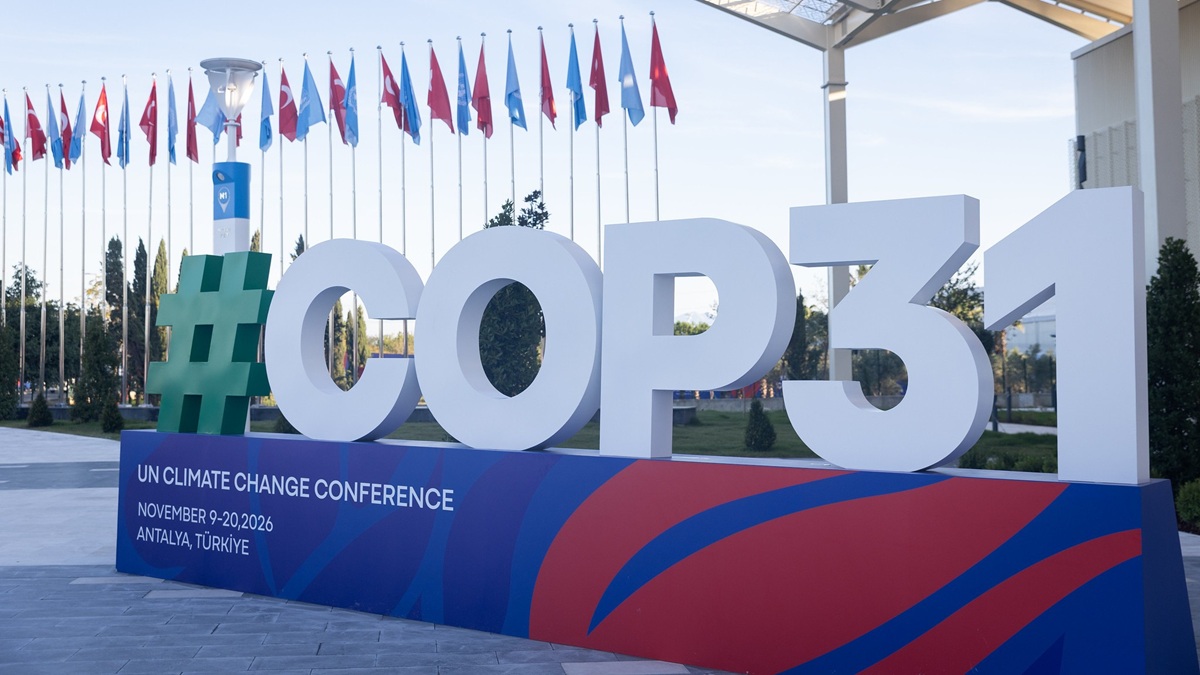
Climate negotiators at COP31 in Antalya, Türkiye, published a revised draft deal on Thursday that removed any mention of ending fossil fuel use, days before the summit's Friday deadline. The first draft had included a carbon capture target that campaigners said could prolong reliance on oil and gas, a technology they argue cannot deliver the emissions cuts needed to limit global warming.
Dawn reported that the revised text was slimmer and weaker on some of the conference's central topics, including fossil fuels. The Japan Times said the first draft contained two references to fossil fuels and limiting their use, a subject that divides nations at the annual talks. Euronews called the transition away from fossil fuels, or TAFF, a flashpoint discussion at the summit.
According to Premium Times, the first draft's Paragraph 60 called on countries to accelerate deployment of carbon capture, utilisation and storage (CCUS) to at least 500 million tonnes of carbon dioxide annually by 2035, reflecting current policies, and to work towards capacity of between 1.3 billion and 2.5 billion tonnes annually by the same year. Paragraph 58 recognised that carbon dioxide removal would be required to return global warming to below 1.5 degrees Celsius but said it must complement, not substitute for or delay, deep emissions reductions. Paragraph 59 welcomed efforts to scale up CCUS and carbon dioxide removal.
Rachel Kennerley, international carbon capture senior campaigner at the Centre for International Environmental Law (CIEL), told a media briefing in Antalya on Wednesday that the technology could not address continued fossil fuel production and consumption. "At best it can only prevent emissions hitting the atmosphere. It cannot remove emissions," she said, according to Premium Times. She said more than 80 per cent of captured carbon was still being used to extract additional oil and gas.
Romain Ioualalen, global policy campaign manager at Oil Change International, said the proposed 1.3 billion to 2.5 billion tonne target would represent a 20- to 40-fold increase from existing carbon capture capacity within a decade. He said the figures had not undergone the scientific and political scrutiny required for an international climate agreement. "The only serious way to prevent CO2 from getting into the atmosphere is getting out of fossil fuels and deploying renewable energy at scale," he said.
CIEL said 700 carbon capture industry lobbyists had gained access to COP31, which it described as a record presence for the sector at a UN climate conference. The advocates called for removing the proposed quantitative CCUS target from the text.
Dawn reported that the talks were taking place as war and rising living costs competed for the attention of policymakers and the public against the warming climate and its effects, including heatwaves, floods and droughts. The Guardian reported that Gedion Timothewos, president-designate of next year's COP, said climate action and development were not mutually exclusive. Dawn reported that the revised draft was not expected to be the final version.
How the reports differ
Premium Times led with the carbon capture target in the first draft and the concerns of CIEL and Oil Change International, without reporting that the revised text had dropped fossil fuel language. The Guardian's live blog led with fossil fuels being dumped from the latest draft and carried an interview with Ethiopia's Gedion Timothewos, the president-designate of next year's COP. The Japan Times reported that the revised text made no mention of fossil fuels and noted that the first draft had contained two references to limiting their use. Euronews said the removal came despite growing momentum and described the transition away from fossil fuels as a flashpoint. Dawn reported the text was slimmer and weaker on central topics, published on Thursday ahead of a Friday deadline, and set the talks against war and rising living costs.

COP31 draft in Antalya calls for faster exit from fossil fuels
The 18-page text records where nearly 200 governments still disagree on coal, oil, gas and climate finance before a Friday deadline.
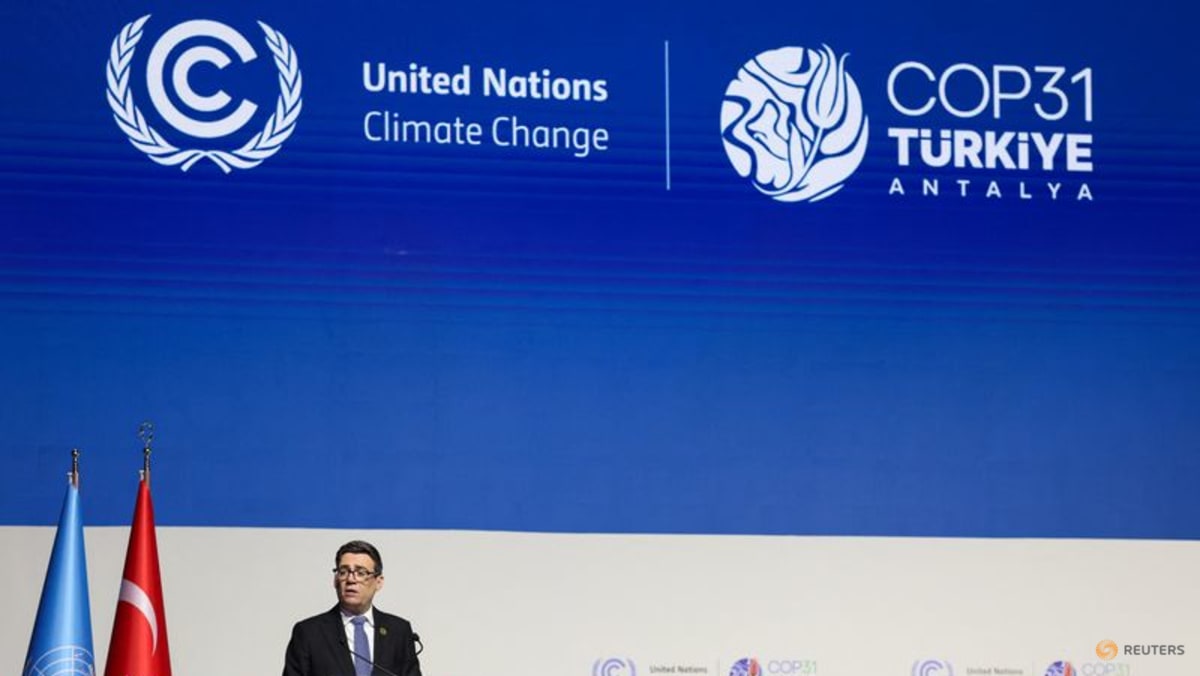
COP31 leaders split on fossil fuels as Antalya talks turn to drafting
Small island states demanded rapid emissions cuts while Venezuela defended its oil industry and Britain backed a Turkish plan to electrify 35 per cent of world energy use by 2035.
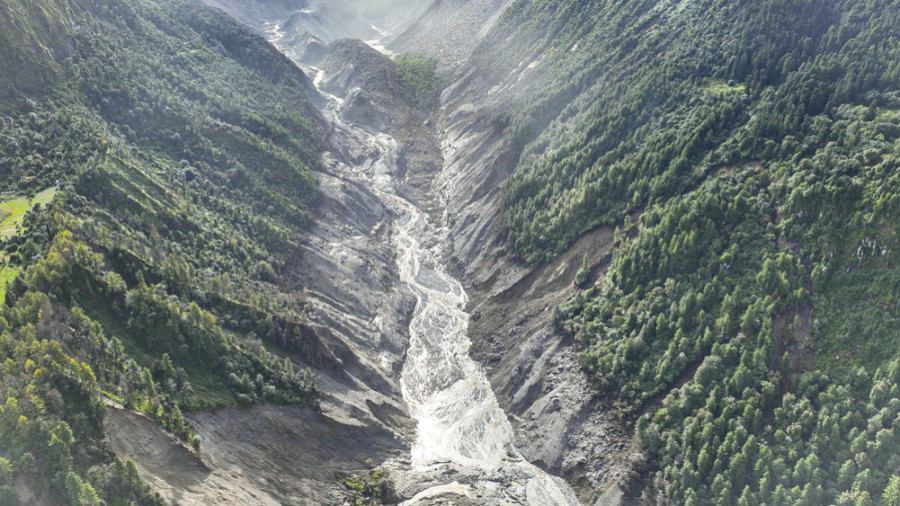
COP31 draft in Antalya urges immediate fossil fuel transition
The 18-page cover decision also proposes a mountain climate programme and tripling adaptation finance, as negotiators enter the final stretch.
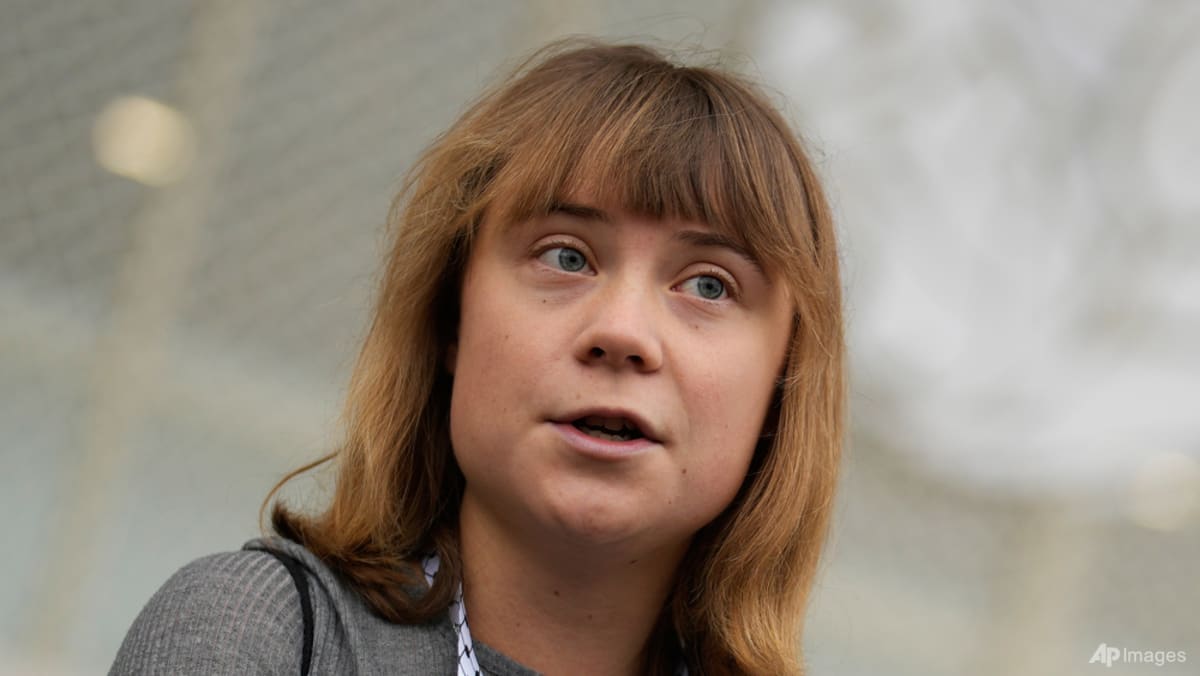
Thunberg arrives at COP31 in Antalya, calls summits 'greenwashed circuses'
At her first UN climate conference since Glasgow in 2021, the Swedish activist also accused host Türkiye of violating basic human rights.
African bloc rejects reopening Paris Agreement at COP31 in Antalya
The African Group of Negotiators, speaking for 54 countries, says existing obligations must stand as ministers remain split on finance and the pace of the fossil fuel exit.

Serbia's student-backed MPs sworn in, ending 14 years of SNS rule
The Student List holds 140 of 250 seats after October's election and has 90 days to name a prime minister, with a presidential vote due by December 27.

Ukraine's allies meet in Berlin after Trump-Putin-Xi talks in China
US envoys Steve Witkoff and Jared Kushner join the leaders of Germany, France, Britain, Poland and Italy and NATO chief Mark Rutte at the 'Coalition of the Willing' gathering.

Italy's lower house passes antisemitism law adopting IHRA definition
The Chamber of Deputies voted 147 to 93, with five abstentions, for a bill that lists some criticism of Israel as antisemitic but imposes no criminal sanctions.