


Italy's lower house passes antisemitism law adopting IHRA definition
The Chamber of Deputies voted 147 to 93, with five abstentions, for a bill that lists some criticism of Israel as antisemitic but imposes no criminal sanctions.

Italy's Chamber of Deputies gave final approval on Tuesday to a bill that adopts the International Holocaust Remembrance Alliance's definition of antisemitism, over objections from opposition parties that it will discourage criticism of Israel.
The lower house voted 147 in favour, 93 against and five abstentions, Euronews reported. The Senate had approved the text in March. The first article commits the Republic to rejecting all forms of antisemitism while preserving freedom of political criticism, expression and assembly; later articles create a coordinator for a national antisemitism strategy and set out education measures.
The IHRA definition, drawn up in 2016, lists some forms of criticism of Israel among its examples of antisemitic conduct. France 24 reported that the law carries no financial penalties and no criminal sanctions.
Giorgia Meloni's centre-right coalition says the measure is needed to counter violence and discrimination. "No one has ever sought to limit freedom of expression and criticism, which is a cornerstone of our democracy," said Paolo Emilio Russo of the co-ruling Forza Italia party, according to France 24.
Opposition parties asked for the definition to be changed, proposing the Council of Europe's 2022 document or the Jerusalem Declaration on antisemitism, which holds that opposing the Israeli government, or Zionism as an ideology, is not in itself antisemitic. All amendments were rejected, Euronews reported.
Angelo Bonelli, co-leader of the Green-Left Alliance (AVS), called the bill "a gag law to cover up the crimes of the Netanyahu government", Euronews reported. He told France 24: "The right is exploiting the anti-semitism bill to stifle criticism." Laura Boldrini, a Democratic Party MP and former speaker of the chamber, said the majority "wants to censor criticism of the Israeli government, which is committing genocide".
The Democratic Party voted against, but its MP Piero Fassino announced that he and other colleagues would not follow the party line, and five abstentions were recorded. The Five Star Movement and AVS voted against, while Italia Viva and Azione backed the bill, according to Euronews.
Livia Ottolenghi, president of the Union of Italian Jewish Communities, welcomed the result, saying it would strengthen the "democratic antibodies" of Italian civil society. "The fight against anti-semitism is not a partisan battle, but a battle for society as a whole and cannot be subordinated to political alignments," she said, according to France 24.
Italy's Antisemitism Observatory, a research unit of Milan's Jewish Contemporary Documentation Centre (CDEC), recorded 963 cases in 2025, almost four times the number reported in 2022, France 24 reported. CDEC director Gadi Luzzatto Voghera said the cases included people being shoved, spat at or slapped: 18 in 2025 and 10 in the first six months of this year.
The debate grew heated when the Gaza death toll was raised, and an amendment that would have barred naming streets and monuments after supporters of antisemitism was rejected, setting off a row over Italy's fascist-era memorials, Euronews reported.
How the reports differ
Euronews carried the fullest account of the vote: the 147-93 count with five abstentions, the defection of Democratic Party MP Piero Fassino, the bill's five articles, and long quotes from both Angelo Bonelli and Laura Boldrini. France 24 led on the freedom-of-expression objections and was alone in reporting the hate-incident figures from Italy's Antisemitism Observatory and the welcome from Livia Ottolenghi of the Union of Italian Jewish Communities; it also stated plainly that the law carries no fines or criminal sanctions. Anadolu Agency framed the vote around parliamentary divisions and a row that touched on Gaza and Italy's fascist-era monuments. Reuters and Haaretz, in the headlines they published, put left-wing protests and the adoption of the IHRA definition first.
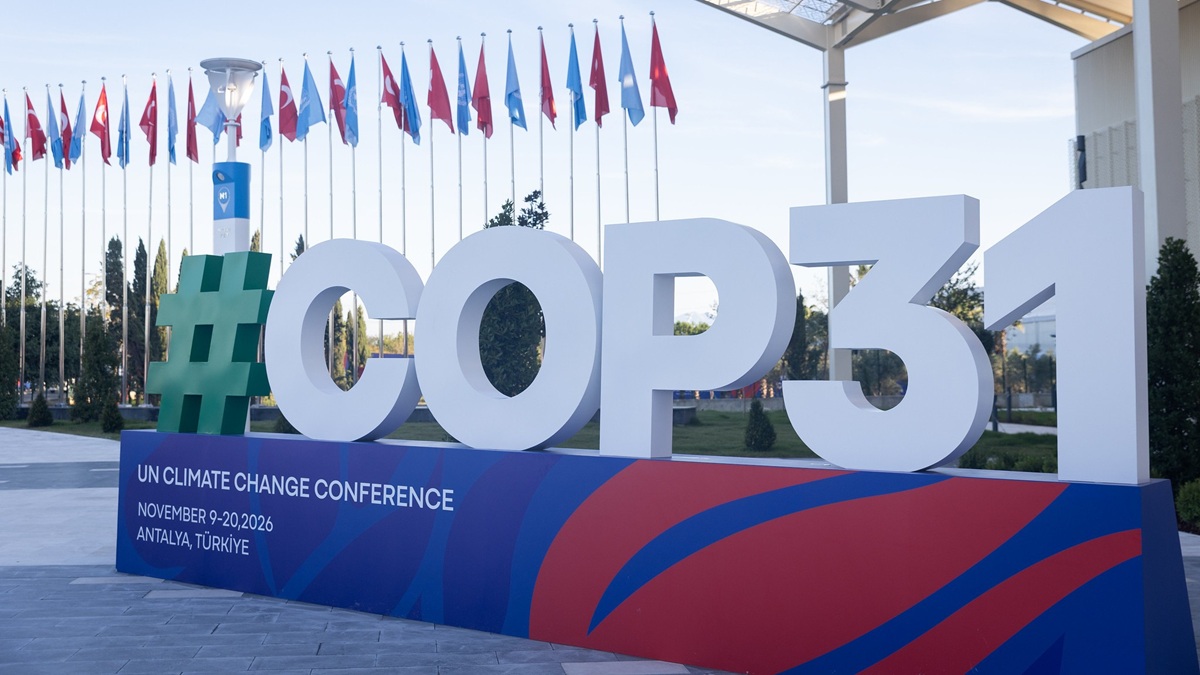
African bloc rejects reopening Paris Agreement at COP31 in Antalya
The African Group of Negotiators, speaking for 54 countries, says existing obligations must stand as ministers remain split on finance and the pace of the fossil fuel exit.

Serbia's student-backed MPs sworn in, ending 14 years of SNS rule
The Student List holds 140 of 250 seats after October's election and has 90 days to name a prime minister, with a presidential vote due by December 27.

Ukraine's allies meet in Berlin after Trump-Putin-Xi talks in China
US envoys Steve Witkoff and Jared Kushner join the leaders of Germany, France, Britain, Poland and Italy and NATO chief Mark Rutte at the 'Coalition of the Willing' gathering.
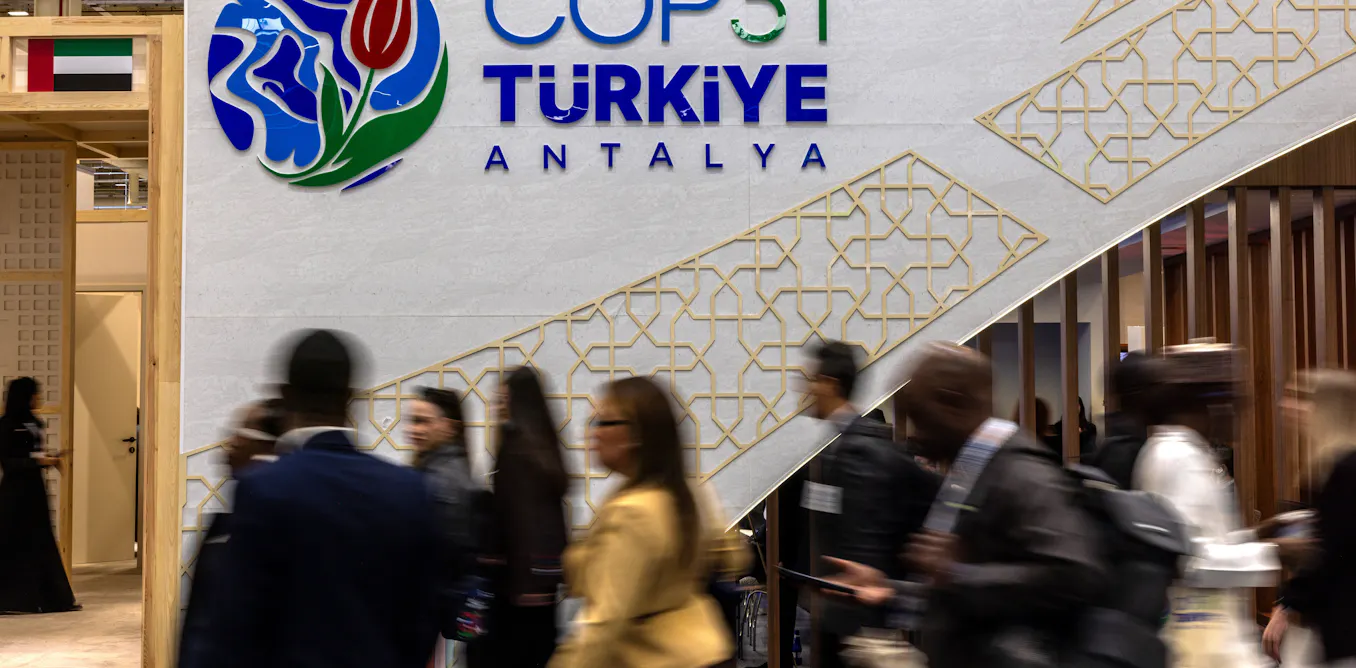
COP31 negotiators in Antalya strip fossil fuel language from draft
The revised text, published a day before the summit's Friday deadline, came after campaigners warned that a carbon capture target in the first draft could prolong oil and gas dependence.

European Commission hit by cyberattack on staff HR systems
Sysper and the medical reimbursement platform went offline; investigators have not said whether names, pay grades or home addresses were taken.

Danish parliament unanimously ratifies US security deal on Greenland
The pact allows Washington to set up a "Golden Dome" missile defence system and new bases while reaffirming Danish sovereignty over the self-governing territory.
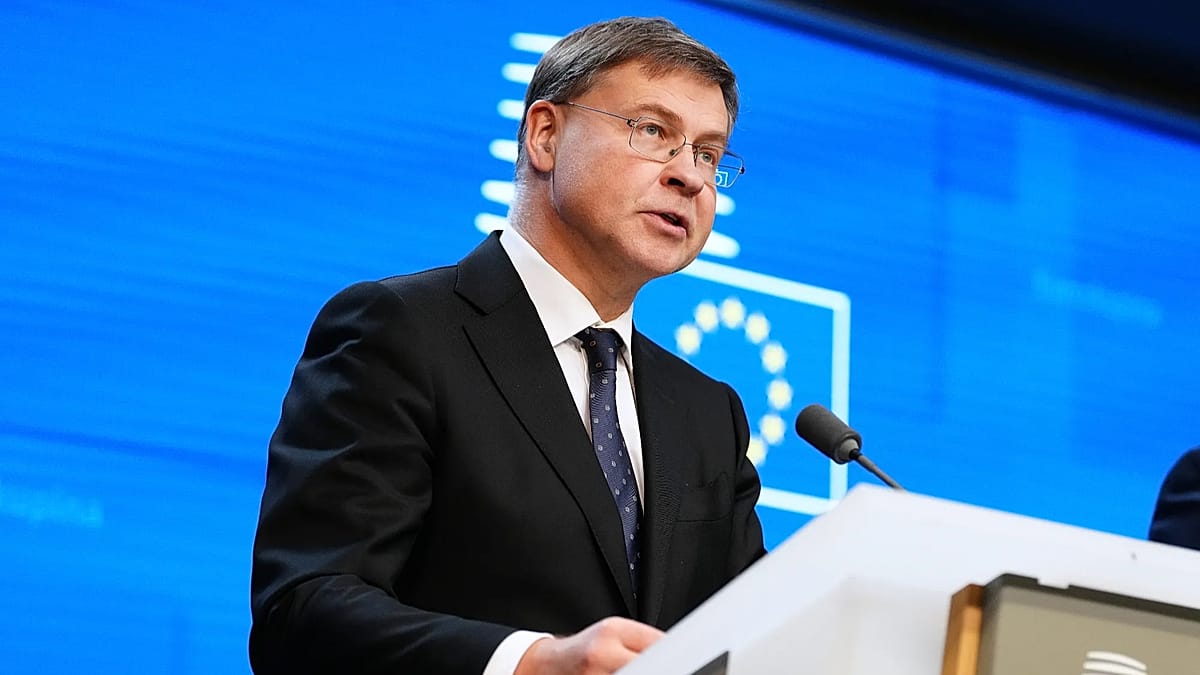
European Commission lifts EU growth forecast, sees inflation above 3%
Growth for this year is now put at 1.4% on strong exports of AI and grid equipment, but energy costs tied to the Iran war keep inflation at 3.3% this year and 3.2% in 2027.
Germany rejects Pentagon criticism of Ukraine's deep strikes
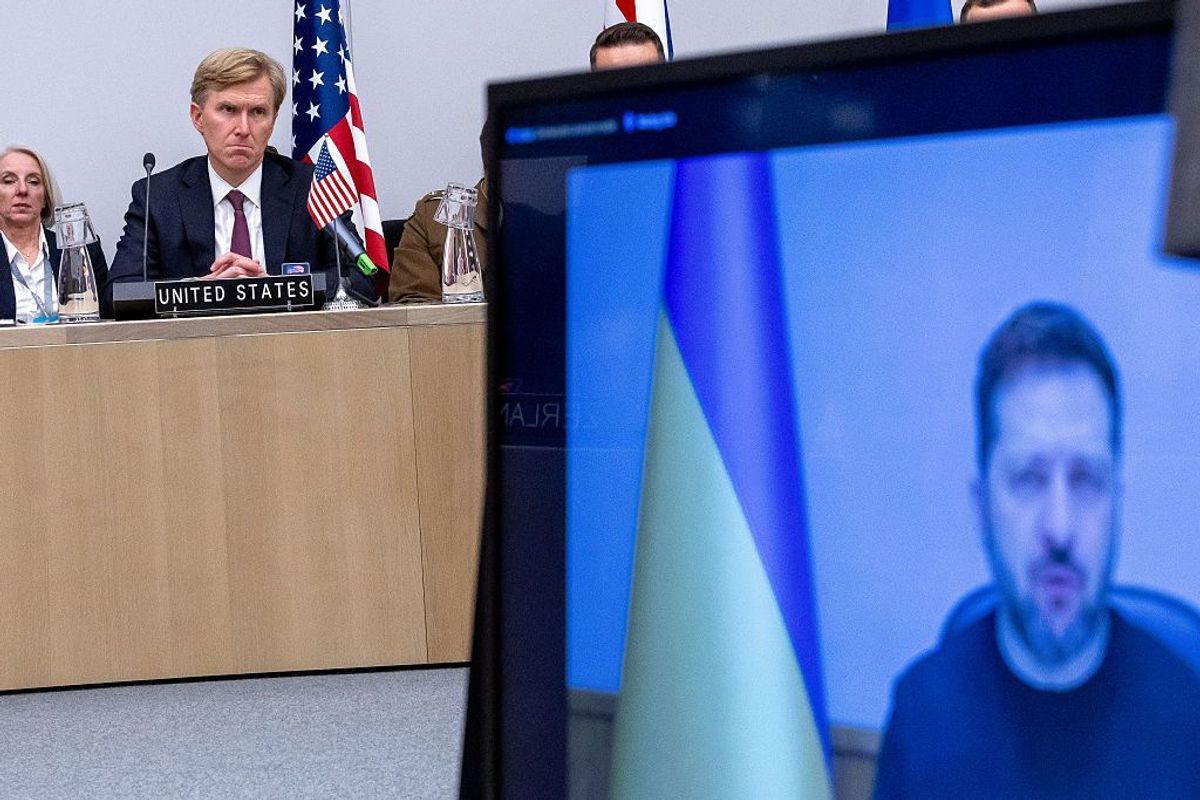
Defence Minister Boris Pistorius called the US warning 'quite stupid' at a NATO meeting in Brussels, as Britain said strikes inside Russia save lives.