Delhi air turns very poor as Diwali firecracker limits begin
The Supreme Court allowed only certified green firecrackers for two-hour windows on 7 and 8 November, as Stage II curbs on traffic and dust took effect.

Delhi's air quality index stood at 377 on Wednesday morning, in the "very poor" band, as authorities brought a second stage of emergency curbs into force and a Supreme Court order set narrow hours for firecrackers over the Diwali weekend.
India's pollution watchdog classes readings from 301 to 400 as very poor and anything above 400 as severe. The index tracks eight pollutants, among them PM2.5, particles small enough to lodge deep in the lungs.
Stage II of the Graded Response Action Plan, which tightens as pollution rises, brings more intensive road cleaning, higher parking charges to discourage private cars and extra public transport. Delhi Metro added 20 weekday trips, and government offices have been told to stagger their hours to spread out traffic. Officials said forecasts pointed to very poor air for several days.
On Monday the Supreme Court allowed the manufacture, sale and use of certified green firecrackers in Delhi and surrounding areas, but only between 06:00 and 07:00 and between 20:00 and 22:00 local time on 7 and 8 November. It barred fireworks within 300 metres of hospitals, care homes and schools, and ordered police to patrol sales areas, check QR codes at random and seize illegal stock. Green crackers use modified chemical formulations meant to emit less, and each must carry a code identifying its maker and certification. The court noted that ordinary firecrackers had been sold as green ones even when a full ban was in force.
Delhi has restricted firecrackers in various forms over the years, and enforcement has remained difficult. Last year the city woke to a toxic haze the morning after Diwali despite a court directive to use less-polluting crackers.
According to the BBC, this year's sharp rise followed an unusually clean October, Delhi's lowest average AQI for the month in eight years. Experts cited falling temperatures, weak winds and more crop-residue burning in Punjab and Haryana. A storm had earlier cleared the air with rain and stronger winds; as the weather settled, north-westerly winds carried smoke from burning fields towards the capital.
The problem is not confined to the capital. Mumbai recorded an AQI of 322, also very poor, on 24 October, which the BBC attributed to low wind speeds, construction dust, rubbish burning, firecracker emissions and pollution drifting in from neighbouring regions. By Wednesday the coastal city had improved to 89, classed satisfactory, and Navi Mumbai stood at 118, moderate.
How the reports differ
The BBC led with the reading itself, the 377 figure and the Stage II measures, and was alone in giving Mumbai's 322 on 24 October, its fall to 89 this week and the comparison with Delhi's cleanest October in eight years. News-Medical led instead with public health experts demanding tighter global restrictions on fireworks, putting firework emissions and health research at the top of its account rather than the Delhi curbs or the court order.

Delhi doubles parking fees as PM2.5 hits 30 times WHO limit
Monitors recorded more than 461 micrograms per cubic metre in parts of the capital, three days after traffic and construction curbs began and ahead of Sunday's Diwali fireworks.
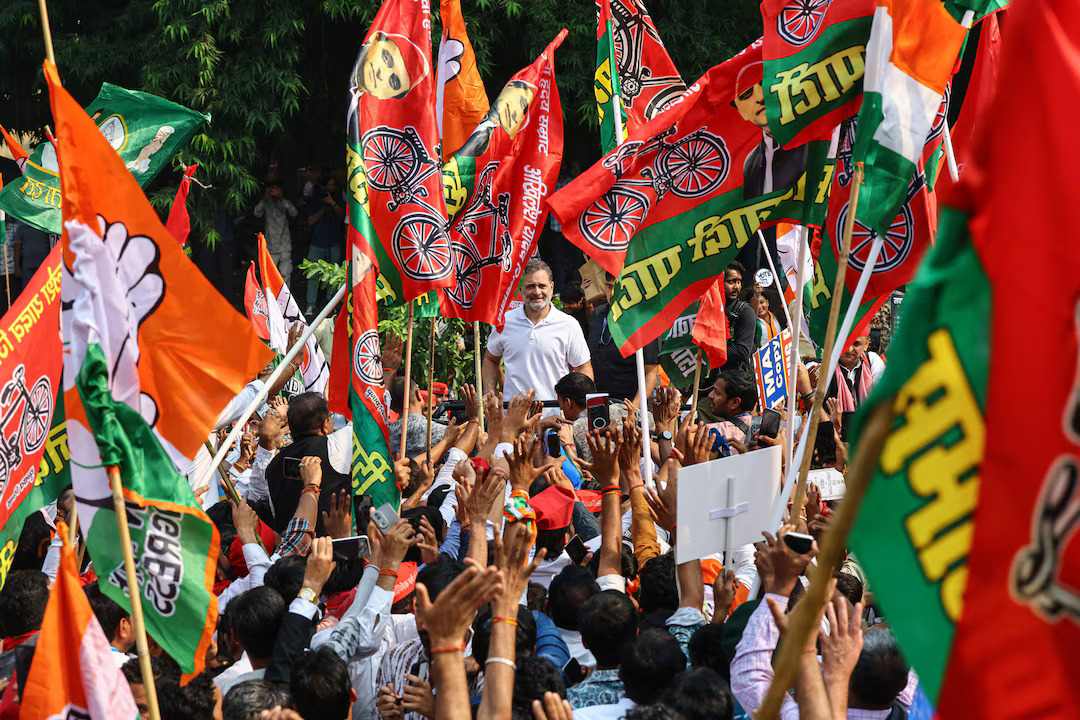
India opposition marches in Delhi demanding election chief resign
Rahul Gandhi led a Congress-backed rally at Ramlila Maidan over voter roll revisions that removed more than 130 million names

South Korea's KOSPI sinks below 5,000 as AI shares slide
Trading in Seoul was halted for 20 minutes after the index fell more than 8 percent, following a tech sell-off on Wall Street.
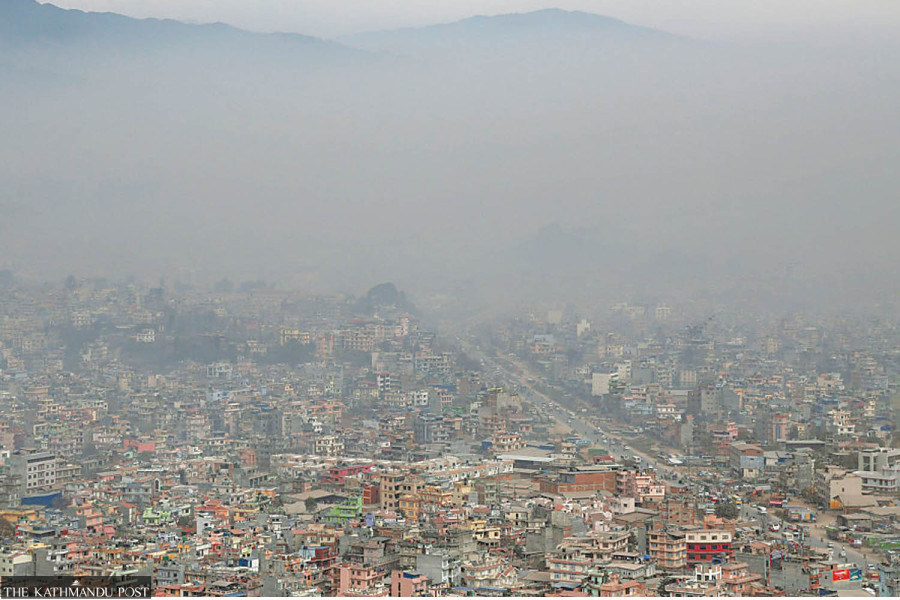
Kathmandu Valley air turns unhealthy as dry season begins
PM2.5 reached 153 micrograms per cubic metre in Mid-Baneshwar, and experts warn stubble burning has only just started in Nepal and India.
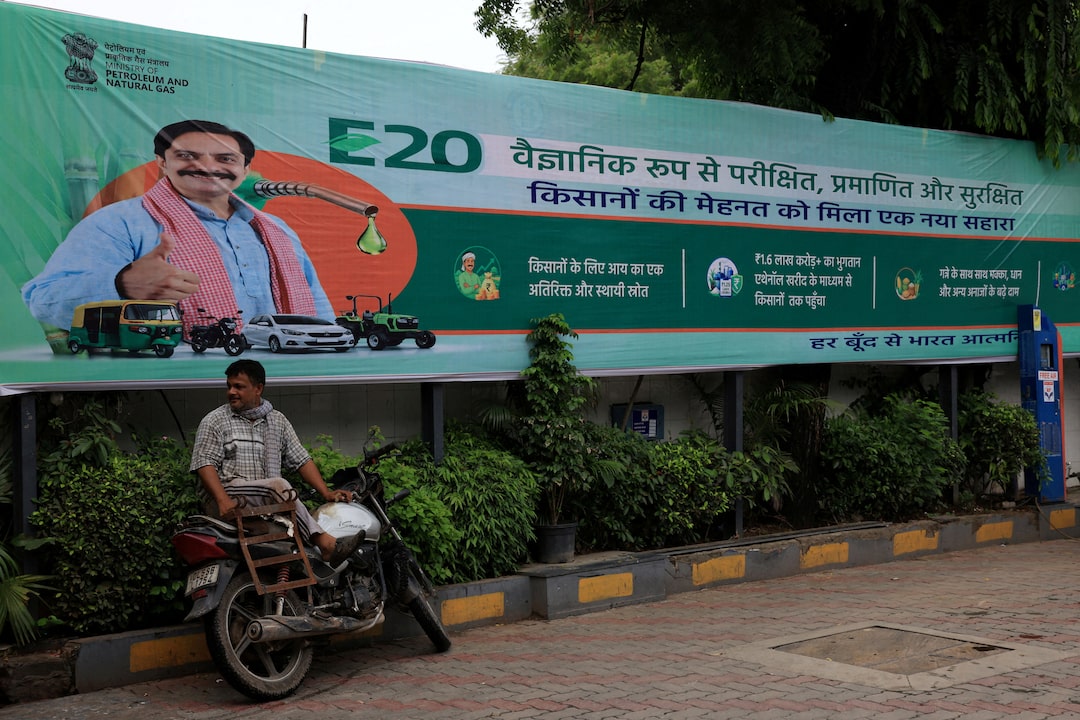
India may cut ethanol blending as drought lifts food prices
Low monsoon rainfall and record corn and sugar prices may push the ethanol share of Indian petrol to about 15 percent, industry figures say.
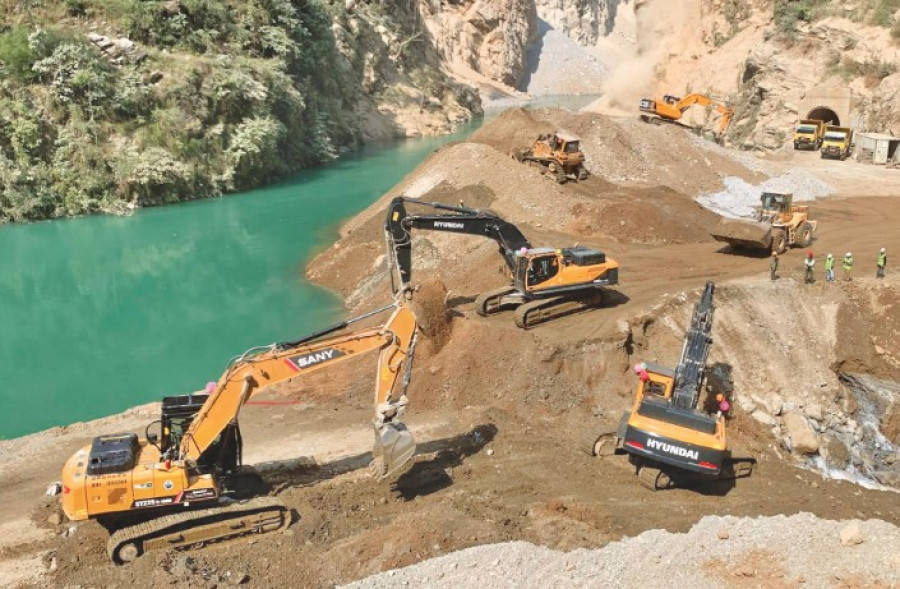
Nepal study finds 108,500 people live in flood paths
Buildings standing in the way of potential glacial lake floods rose 78 percent in seven years as roads and hydropower drew settlements toward rivers.
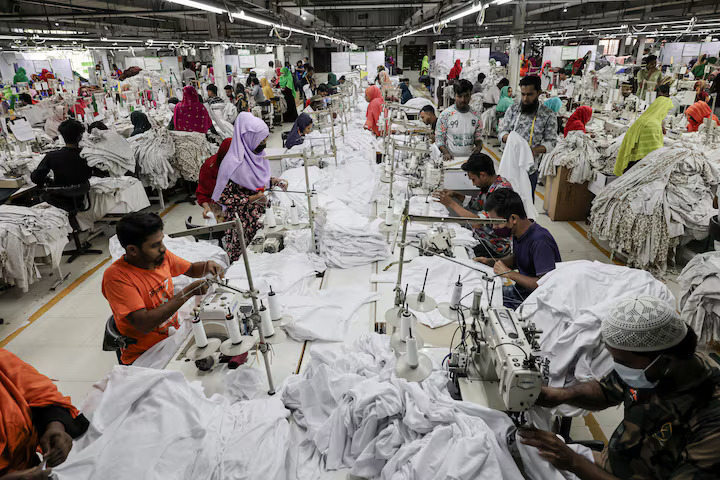
Bangladesh forms wage board as garment protests shut factories
Workers want a minimum monthly wage of 30,000 taka ($245), more than double the current 12,500, as police fire tear gas in Dhaka.

WWF reports first sperm whale sighting off Karachi coast
The 45-foot animal was recorded on video 40 nautical miles southwest of the city, the first documented record of the species in Pakistani waters.