Nepal study finds 108,500 people live in flood paths
Buildings standing in the way of potential glacial lake floods rose 78 percent in seven years as roads and hydropower drew settlements toward rivers.
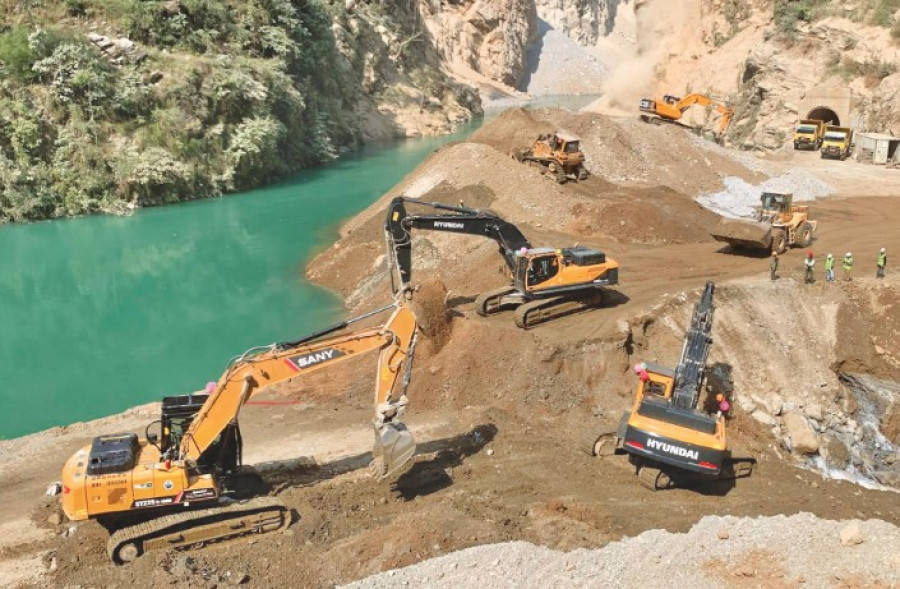
At least 108,500 people in Nepal live on ground that floods from the mountains above could reach, according to a study published in a Nature Portfolio journal. More than 23,000 of them live less than 10 metres above a riverbed, the height at which the authors say exposure is highest.
The number of buildings standing inside the path of a potential glacial lake outburst flood in Nepal rose 78 percent between 2016 and 2023. Across the high mountain regions of Nepal, China and India, about 300,000 people are exposed to such flooding, the study estimates, and more than 80 percent of the structures at risk are in Nepal.
The researchers mapped buildings and populations within 50 metres of existing river levels using census and publicly available building data, then simulated how far water released by a glacier lake outburst could travel. The total area occupied by buildings within 50 metres of riverbeds grew 46 percent over the same seven years.
Mohan Bahadur Chand, an assistant professor in Kathmandu University's department of environmental science and one of the authors, told the Kathmandu Post the aim was to establish how many buildings and people sit in the path of floods coming from higher up. The paper identifies hydropower development, border and trade roads built along river channels, tourism infrastructure such as lodges and hotels, and unplanned urbanisation on floodplains as drivers of the construction.
Basanta Raj Adhikari, director of the Centre for Disaster Studies at Tribhuvan University, told the Post that road expansion, changing livelihoods and internal migration have reshaped mountain settlement in recent decades. "Most roads are built along river corridors where construction materials are readily available," he said. "But we did not adequately assess flood risks." Adhikari said local governments lack the skilled staff to apply risk-sensitive land-use rules and the federal government neither enforces them strictly nor holds anyone accountable.
The Post reported that the study cites the Rasuwa-Bhotekoshi flood, which reached settlements as high as 82 metres above river level, and gives its toll as 1,455 dead and 5,285 unaccounted for. The paper notes that Himalayan temperatures have risen by 3 degrees Celsius in individual winter months against a global average of about 1.4 degrees since preindustrial times, and that glaciers in the Hindu Kush are melting at twice the rate. Nepal identified 21 potentially dangerous glacial lakes in the Gandaki, Koshi and Karnali basins six years ago.
Shankar Limbu, an advocate, said the study and the government have both failed to prioritise indigenous people. He pointed to hydropower construction in Rasuwa that he said displaced Tamang communities from safer settlement sites, and to the Bhotkhola project, where 192,000 tonnes of explosives and 188,000 detonators are planned for tunnel work, with 26 glacial lakes upstream. "If explosions trigger an outburst in those lakes, it can destroy entire settlements downstream," he told the Post.
Chand acknowledged that the building data came from public sources and said he hoped the government would use the findings to run its own field assessments.
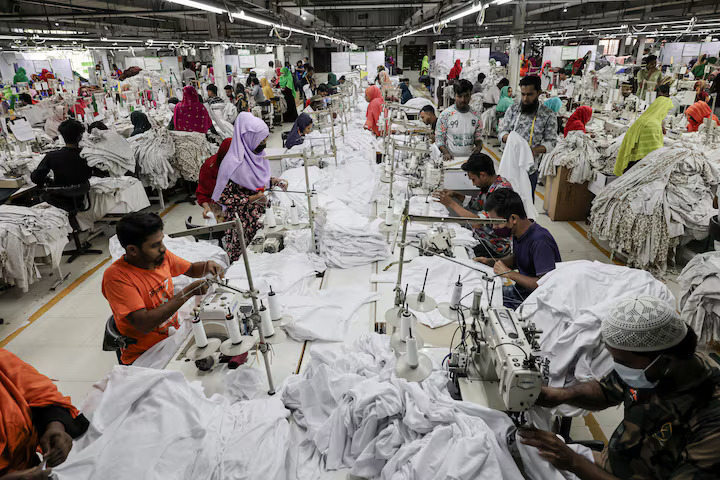
Bangladesh forms wage board as garment protests shut factories
Workers want a minimum monthly wage of 30,000 taka ($245), more than double the current 12,500, as police fire tear gas in Dhaka.
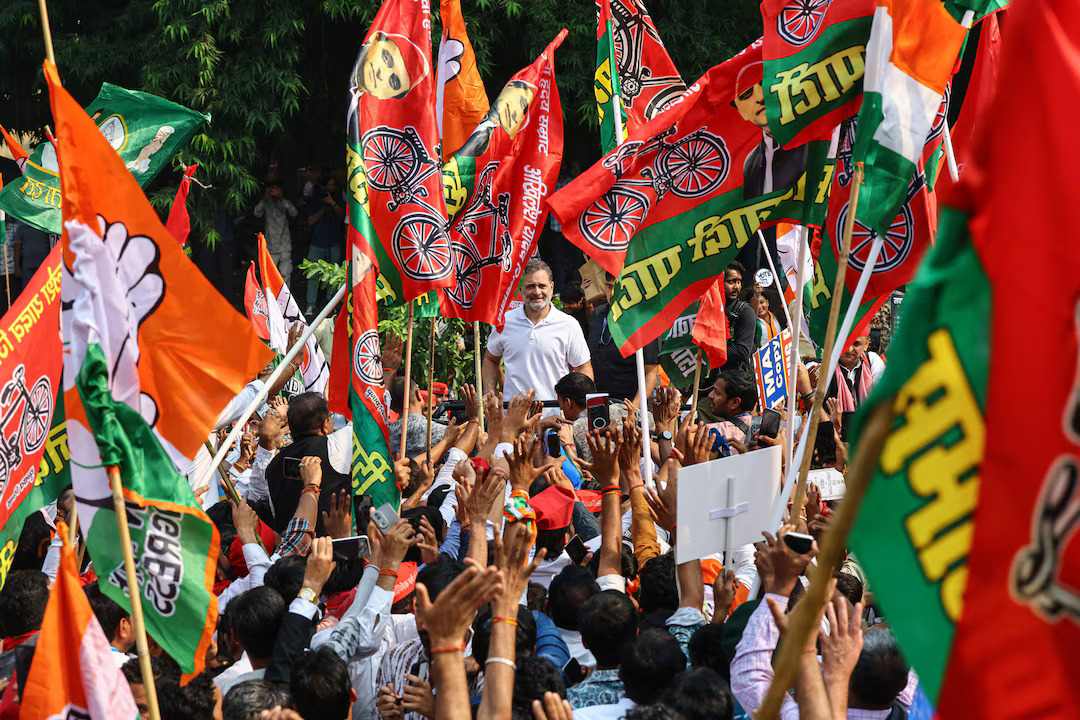
India opposition marches in Delhi demanding election chief resign
Rahul Gandhi led a Congress-backed rally at Ramlila Maidan over voter roll revisions that removed more than 130 million names

Gilani pledges legislation, oversight and funding for water security
Senate chairman tells Pakistan Water Week that provincial water laws must be fully enforced and groundwater extraction regulated as per capita availability falls

Lahore air hazardous as AQI passes 530, Gujranwala worse
IQAir put Lahore's PM2.5 at 343 micrograms per cubic metre at 8am, while satellite data counted 13,241 crop-burning fire spots across Punjab in October.

Yerevan nature summit ends with deal and unresolved funding
Nearly 200 countries approved the main COP17 texts early on Saturday, but the Cali Fund stays near empty and science reports were contested.
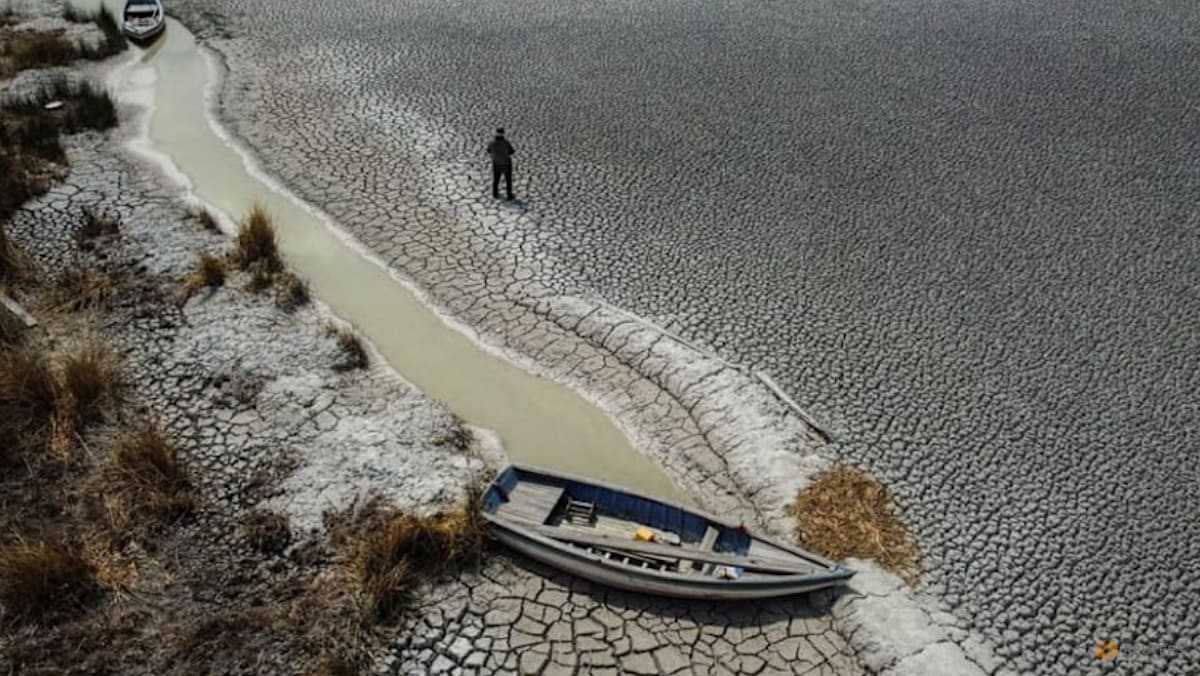
Bolivia declares El Nino emergency as drought hits 78,000 families
President Rodrigo Paz says the decree releases resources and rescue teams, with drought in six of nine departments and more than 75,000 cattle lost.
Lahore tops global air quality index at 420, Karachi third
Punjab government monitors put Gujranwala at 500 and Lahore at 478 at 7am, with nine Lahore localities reaching 500.
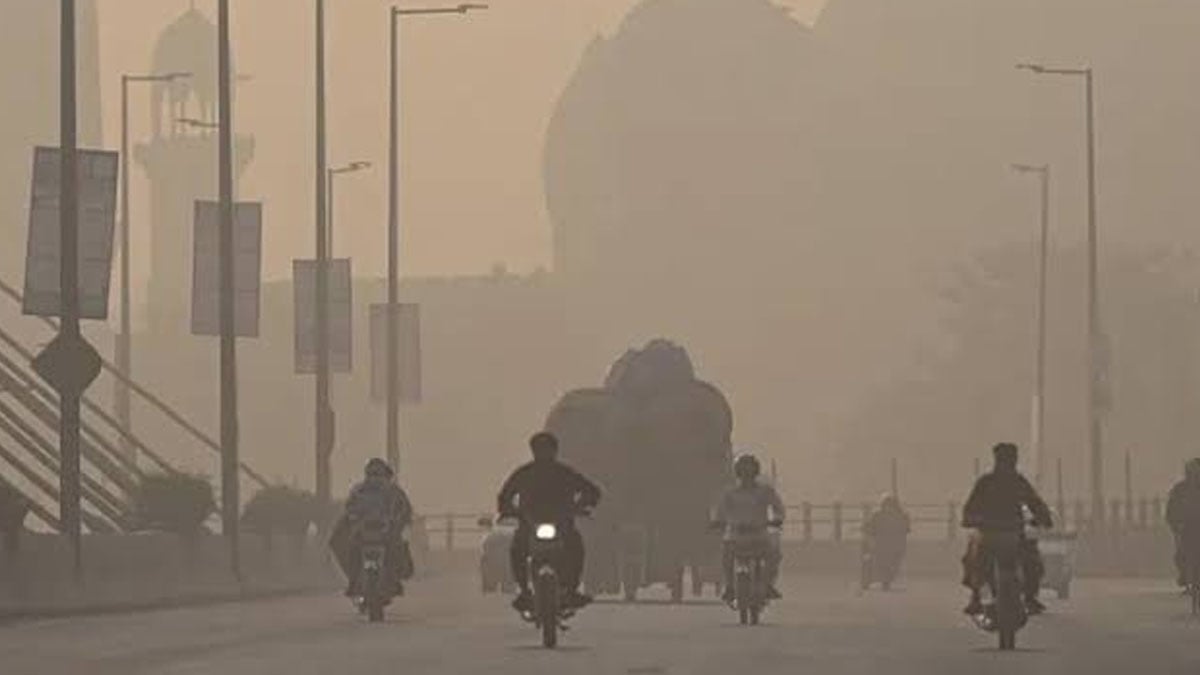
Smog returns to Punjab as Multan air quality index hits 434
Gujranwala recorded 347 and Lahore 294 as winter smog set in, with four other Punjab cities staying above 200 on the index.