Kathmandu Valley air turns unhealthy as dry season begins
PM2.5 reached 153 micrograms per cubic metre in Mid-Baneshwar, and experts warn stubble burning has only just started in Nepal and India.
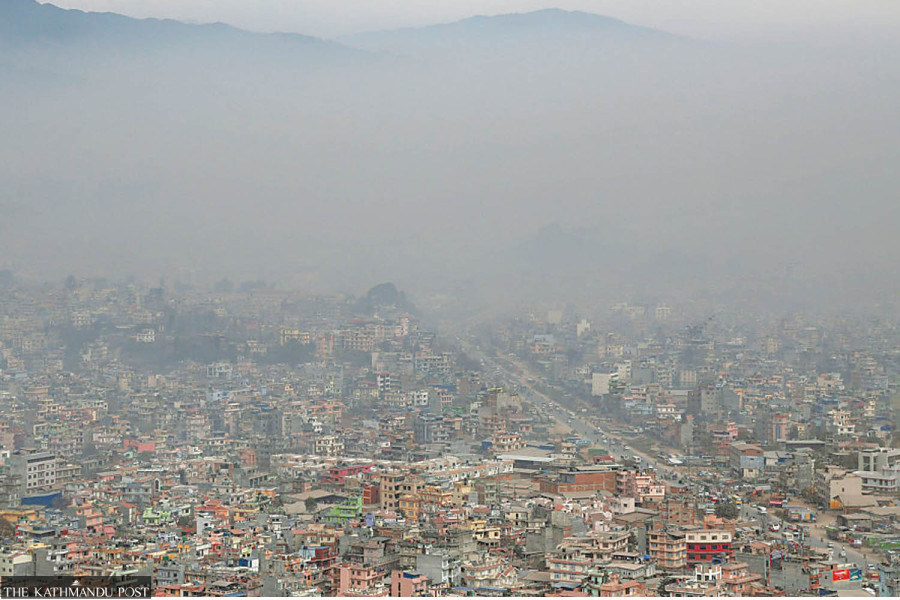
Air quality across the Kathmandu Valley fell to unhealthy levels on Thursday morning as the post-monsoon dry season set in, according to IQAir data cited by the Kathmandu Post. The Swiss group collects readings from monitoring stations around the world.
Mid-Baneshwar recorded the highest PM2.5 concentration at 153 micrograms per cubic metre. Shantichowk in Bhaktapur followed at 151, Tarakeshwar at 147, Ranibari at 145, Teku at 139, Gaushala Chowk and Chhetrapati at 138 each, and Balaju at 134.
Under the US Environmental Protection Agency's Air Quality Index, a PM2.5 reading of 101 to 150 is unhealthy for sensitive groups, who may suffer health effects. A reading of 151 to 200 is unhealthy for everyone.
PM2.5 particles measure less than 2.5 micrometres across. They pass the nose and throat to reach the lungs and can enter the bloodstream, and they stay suspended in the air long enough to be inhaled again and again. The World Health Organization recommends an annual average of no more than 5 micrograms per cubic metre and a 24-hour average of 15.
Two Nepali border towns recorded worse readings than any station in the valley. Butwal and Dhangadhi each measured 160 on Thursday morning, according to the Kathmandu Post.
Bhupendra Das, an air quality expert, said the coming weeks are likely to be worse. "This is a peak harvesting season of paddy crops both in India and in Nepal, and stubble burning has already started," he said. "The worst days are yet to come, as we have done so little to check the air pollution in the country."
The Kathmandu Post reported that authorities have done little to fill potholes, control road dust or campaign against stubble and waste burning, and that pollution in the valley often reaches hazardous levels during the dry season. "The health costs of worsening air quality will be far greater than the public realises," Das said.
A new UNICEF report, Growing Up in a Climate Hotspot: The Risks Shaping the Lives and Future of Nepal's Children, estimates that 9.9 million children in Nepal are exposed to unhealthy levels of air pollution. The same report says 7.3 million children face drought, 5.7 million face extreme heat, 2.9 million face rainfall-triggered landslides and 2.4 million face several high-intensity climate hazards at once.
A World Bank report published in 2025, Towards Clean Air in Nepal: Benefits, Pollution Sources, and Solutions, found that air pollution has become the leading risk factor for death and disability in Nepal, ahead of malnutrition and tobacco use. It estimated that polluted air cuts life expectancy by 3.4 years for the average Nepali and causes about 26,000 premature deaths a year.
The bank linked air pollution to 75 percent of chronic obstructive pulmonary disease cases in the country, 46 percent of strokes, 44 percent of ischaemic heart disease, 41 percent of lower respiratory infections, 38 percent of lung cancer, 30 percent of neonatal conditions such as low birth weight and preterm birth, and 20 percent of diabetes.

Delhi doubles parking fees as PM2.5 hits 30 times WHO limit
Monitors recorded more than 461 micrograms per cubic metre in parts of the capital, three days after traffic and construction curbs began and ahead of Sunday's Diwali fireworks.
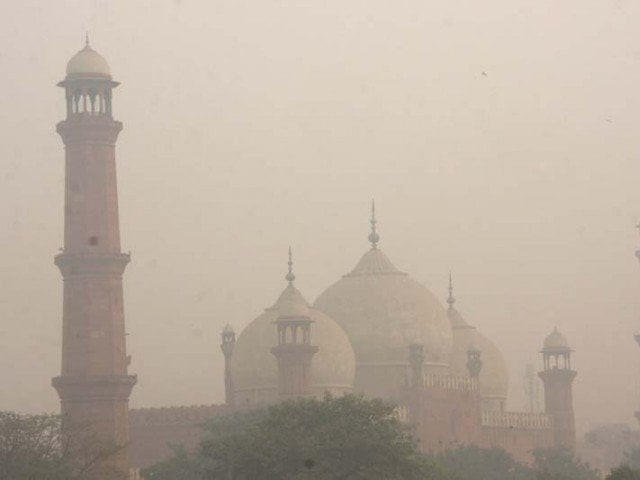
Air pollution cuts Pakistani life expectancy by 3.9 years, report finds
PAQI's national emissions inventory puts the annual economic cost at 6.5pc of GDP and warns Lahore residents could lose up to seven years.
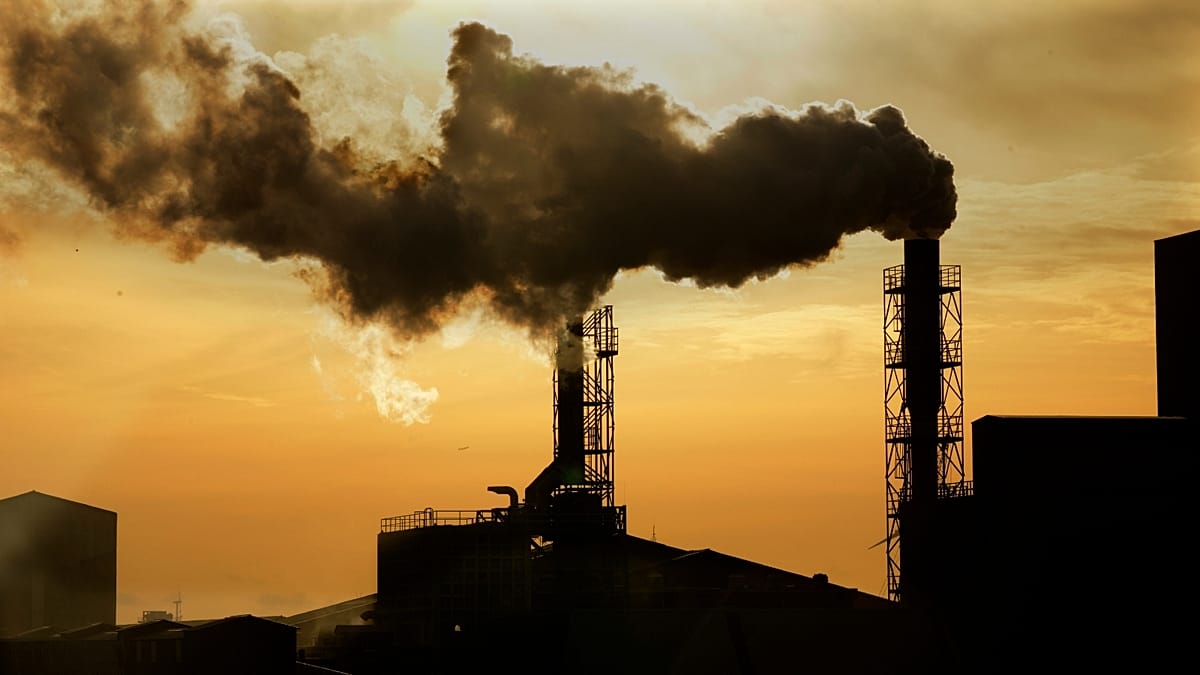
WHO says six climate measures could save 1.6 million lives a year
Agency report priced ahead of COP31 puts returns on heat warnings, clean water, sanitation, clean cooking and fossil fuel pricing at up to $835 per dollar spent.
Toxic smog returns to Lahore as air quality hits dangerous levels
Dunya News reports a high alert over pollution in the city while The Express Tribune says the smog has returned, with neither report carrying air quality figures.
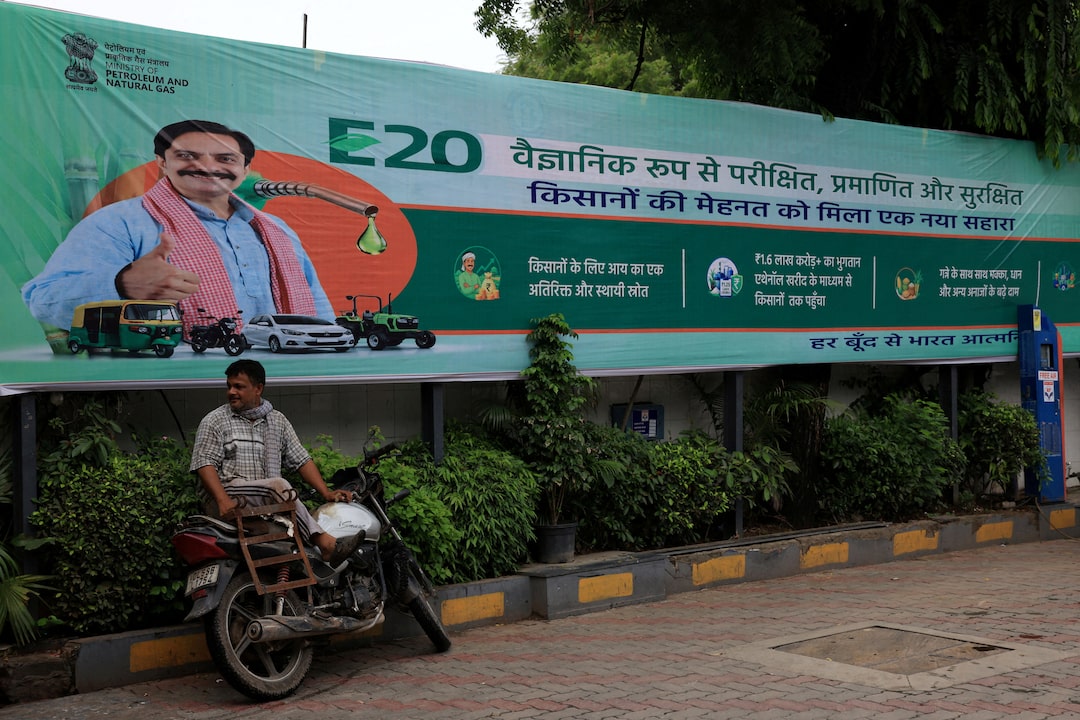
India may cut ethanol blending as drought lifts food prices
Low monsoon rainfall and record corn and sugar prices may push the ethanol share of Indian petrol to about 15 percent, industry figures say.
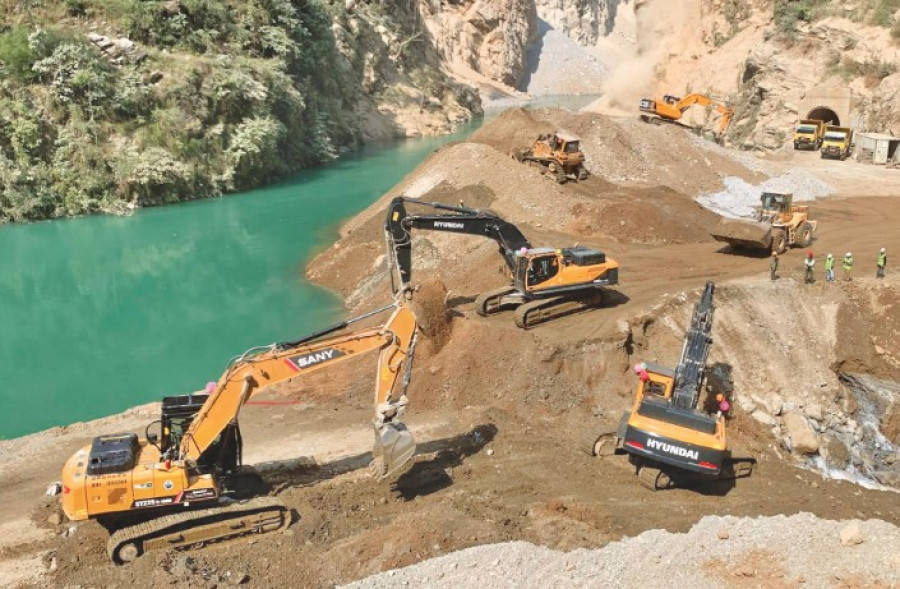
Nepal study finds 108,500 people live in flood paths
Buildings standing in the way of potential glacial lake floods rose 78 percent in seven years as roads and hydropower drew settlements toward rivers.
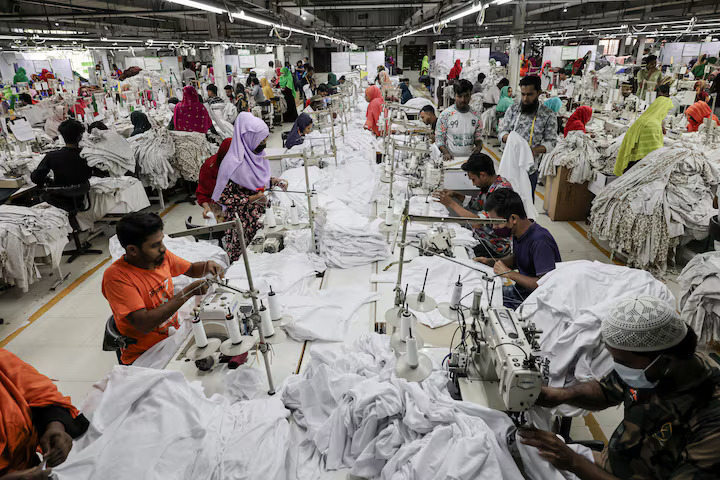
Bangladesh forms wage board as garment protests shut factories
Workers want a minimum monthly wage of 30,000 taka ($245), more than double the current 12,500, as police fire tear gas in Dhaka.
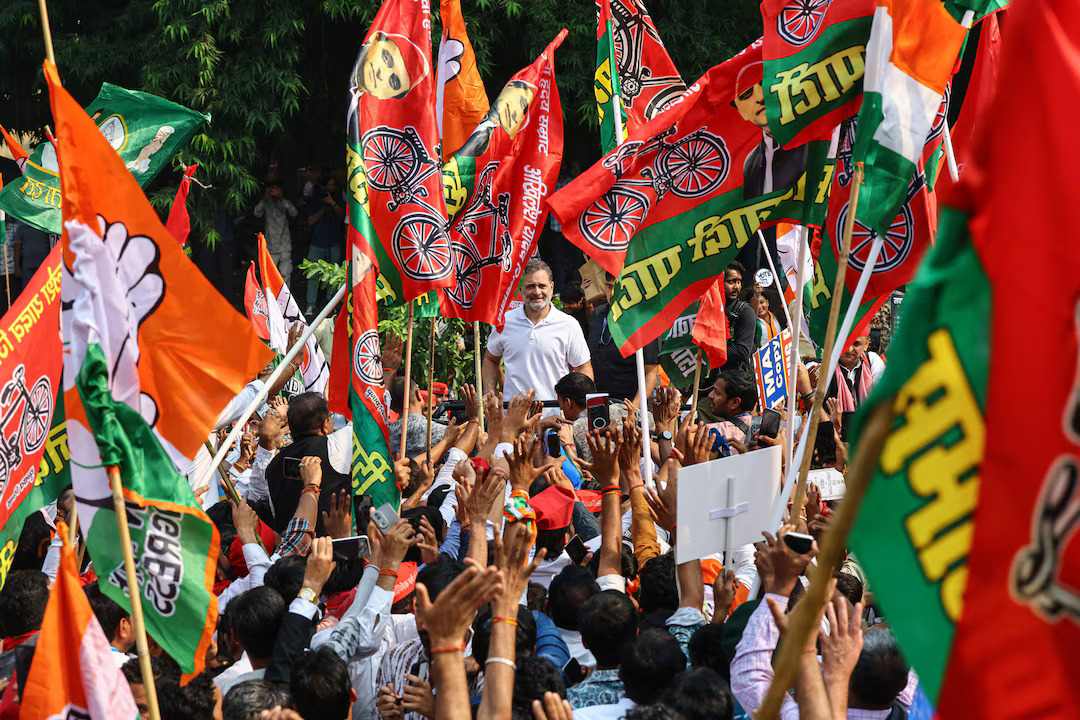
India opposition marches in Delhi demanding election chief resign
Rahul Gandhi led a Congress-backed rally at Ramlila Maidan over voter roll revisions that removed more than 130 million names