



ICJ to rule on Myanmar genocide as US warns judges
The Gambia's case under the 1948 Genocide Convention would be the UN court's first genocide verdict; Washington has warned judges it is watching them.

The International Court of Justice will rule on Thursday on whether Myanmar committed genocide against the Rohingya, a verdict that would be the first time the UN's top court has held a state responsible for genocide, and one Washington has warned it may answer with sanctions against the judges.
The case was brought by The Gambia in November 2019 under the 1948 Genocide Convention. It accuses Myanmar's military of genocidal acts against the Rohingya during "clearance operations" that began in 2016 and escalated in August 2017. More than 1.2 million Rohingya refugees are in Bangladesh, most in camps in Cox's Bazar.
The US ambassador to the UN, Mike Waltz, warned the 15 ICJ judges and the ad hoc judge Navi Pillay that Washington "will not allow globalist, faux judges to weaponise the law against our troops." He said Pillay, a South African lawyer awarded the Nobel Peace Prize in October, was "intending to lower the legal threshold for proving genocide" so that a "weakened and false standard" could later be used against US and allied soldiers.
The Guardian reported that judges at the court have taken advice on how to protect their assets from potential US sanctions. It cited the Foundation for Defense of Democracies, a thinktank close to the White House, which predicted a genocide ruling would lead Washington to sanction the ICJ. The US and Israel fear the judgment could clarify how intent is proven and set a precedent that makes a genocide finding over Gaza more likely.
The US has already sanctioned judges at the International Criminal Court after it issued arrest warrants for Israeli Prime Minister Benjamin Netanyahu, and announced sanctions on the ICC as an institution, calling it a "rogue court." Secretary of State Marco Rubio said on Friday that for "this global elite, international law ... is an instrument to advance their interests under the pretence of universal principles."
Myanmar denies genocide, saying its actions targeted a military uprising by insurgents. The Gambia, as the litigant, chose Pillay as its ad hoc judge; the court says she must act as a jurist and not as an advocate.
Intent is the hardest element of genocide to prove, and the court has never made such a finding. A 24-page submission by the UK and five other mainly European states argued that judges should weigh the treatment of children, gender-based violence and forced displacement alongside killings.
In Bangladesh, Rohingya refugees said they hoped the ruling would recognise what they endured. "The court will find the truth. We suffered, so we know," Dil Hossain, who fled Rakhine State in 2017, told Al Jazeera. Nay San Lwin, cofounder of the Free Rohingya Coalition, said meaningful justice "is not simply a court verdict."
How the reports differ
The Guardian led with Washington's warnings and fears that the US could sanction ICJ judges, including Navi Pillay, while South China Morning Post and Al Jazeera led with the verdict itself and what it would mean for the Rohingya. Al Jazeera carried testimony from refugees in Cox's Bazar, including Dil Hossain and his family, and from activists such as Mohammad Zubair and Nay San Lwin; The Guardian quoted no Rohingya survivors. The Diplomat framed the ruling as a legal crossroad with different consequences for each possible outcome, and France 24 covered the case only through a press review of other outlets' coverage.
Watch

Asian chip stocks fall as Nvidia turmoil and Anthropic debut loom
Tokyo, Seoul and Taipei led regional losses while investors weighed the chipmaker's leadership crisis and a $1.4tn AI listing.
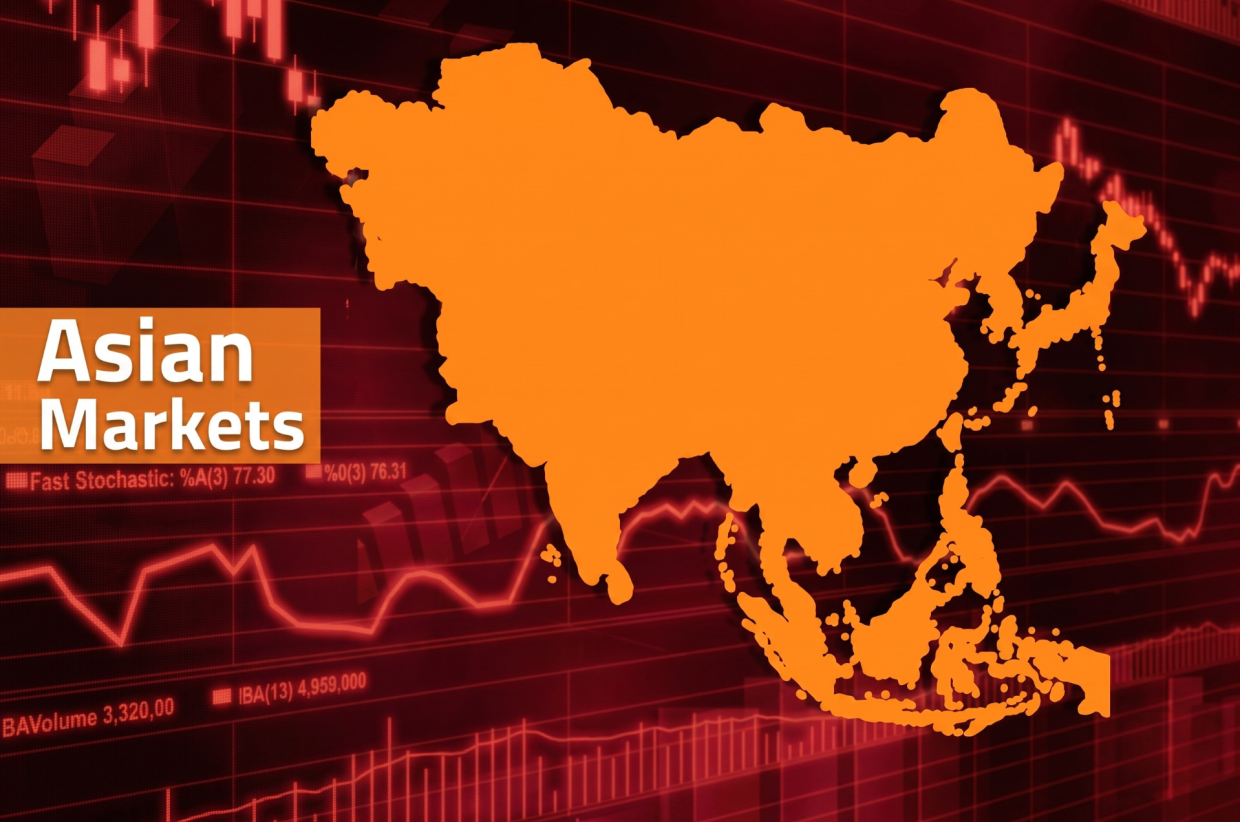
Nvidia earnings beat lifts Seoul stocks after Asia tech selloff
The chipmaker reported more than $115bn in quarterly revenue and forecast $130bn, after Asian markets fell on new US restrictions on AI chip access in China.
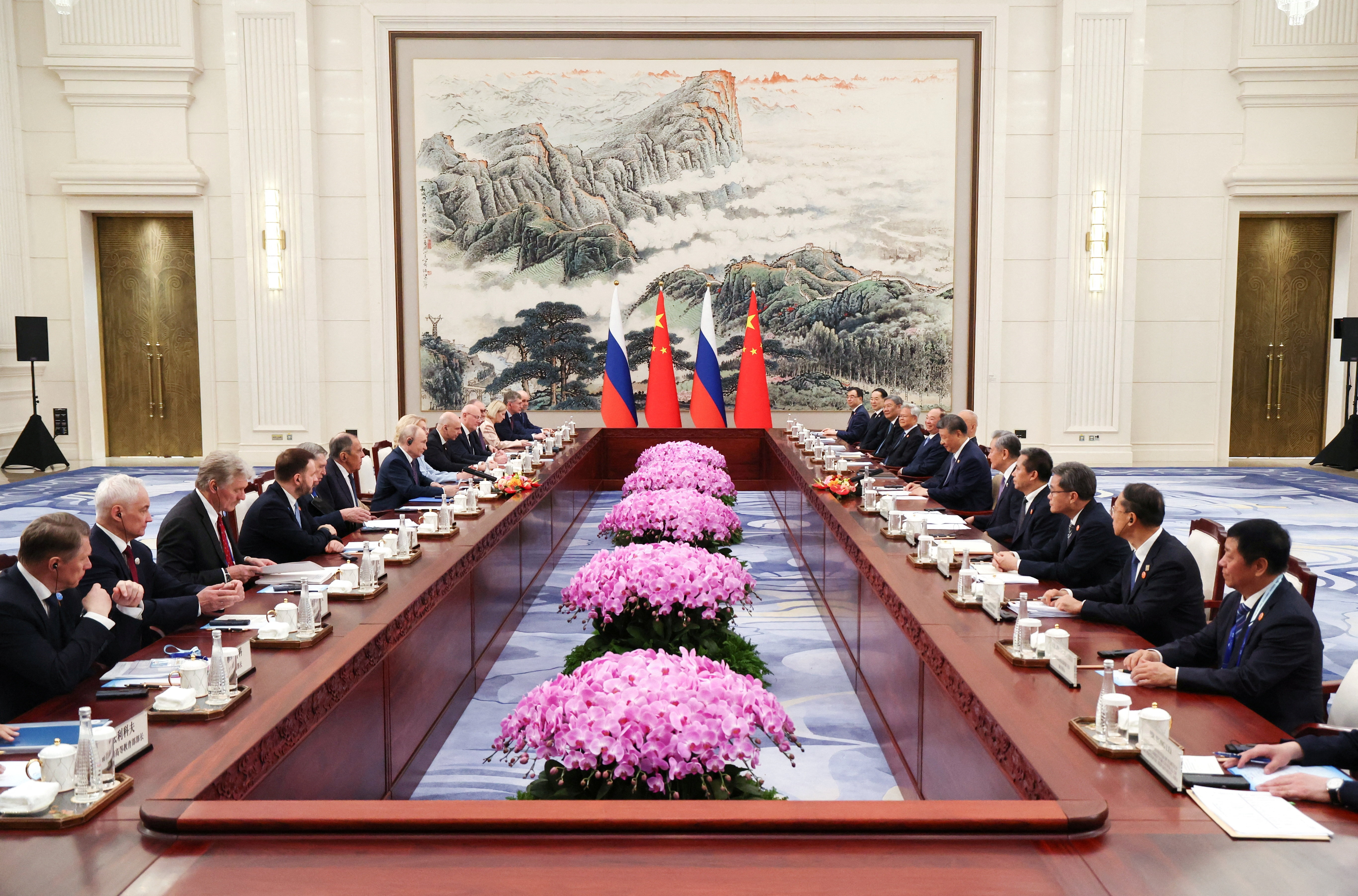
Xi and Putin attack sanctions at Shenzhen APEC summit
The Chinese and Russian presidents spoke a day before a three-way meeting with Donald Trump that smaller economies fear could redraw spheres of influence.

South Korea and US issue urgent Java patch advisories
A security firm says the bug in the language used by banks, hospitals and governments went undetected for 12 years.
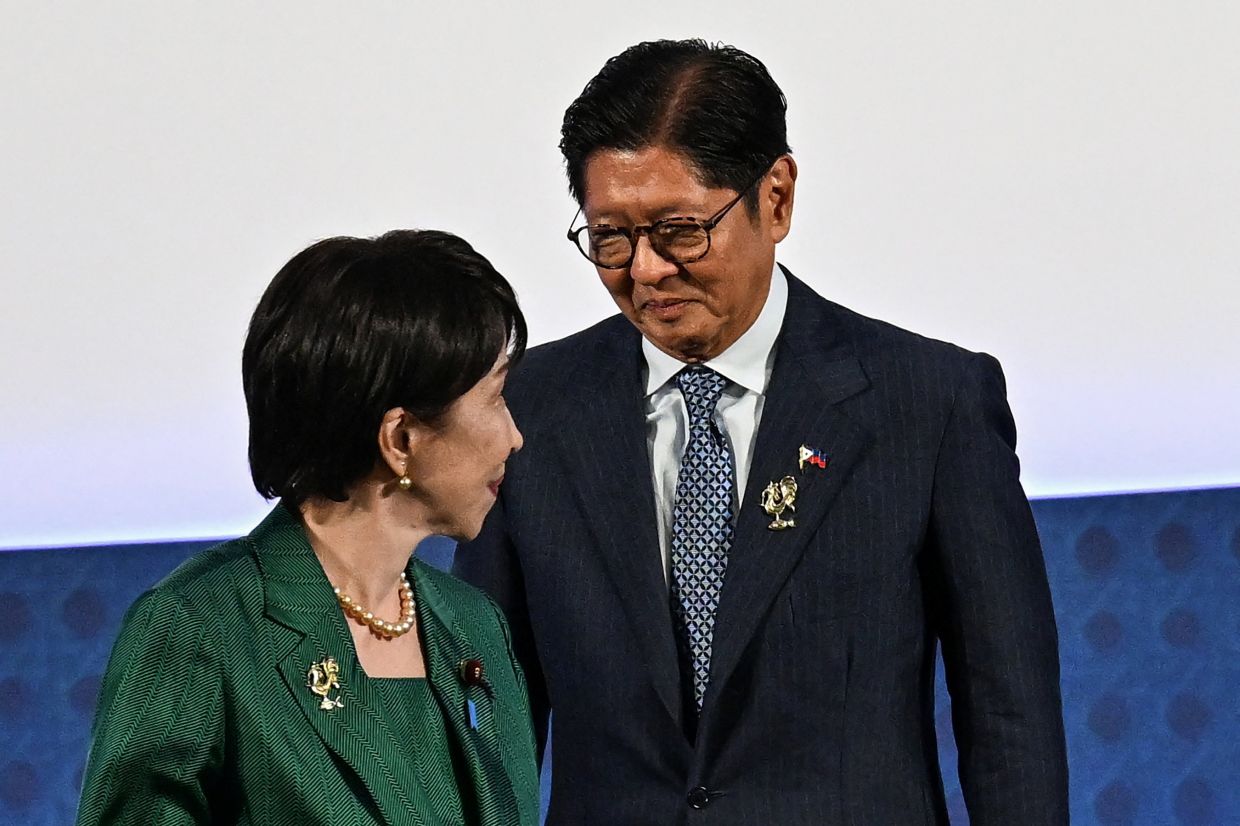
ASEAN draws record $246bn in foreign investment, overtaking East Asia
The ASEAN Investment Report 2026 says the bloc's share of global inflows passed East Asia's for the first time since the early 1990s.
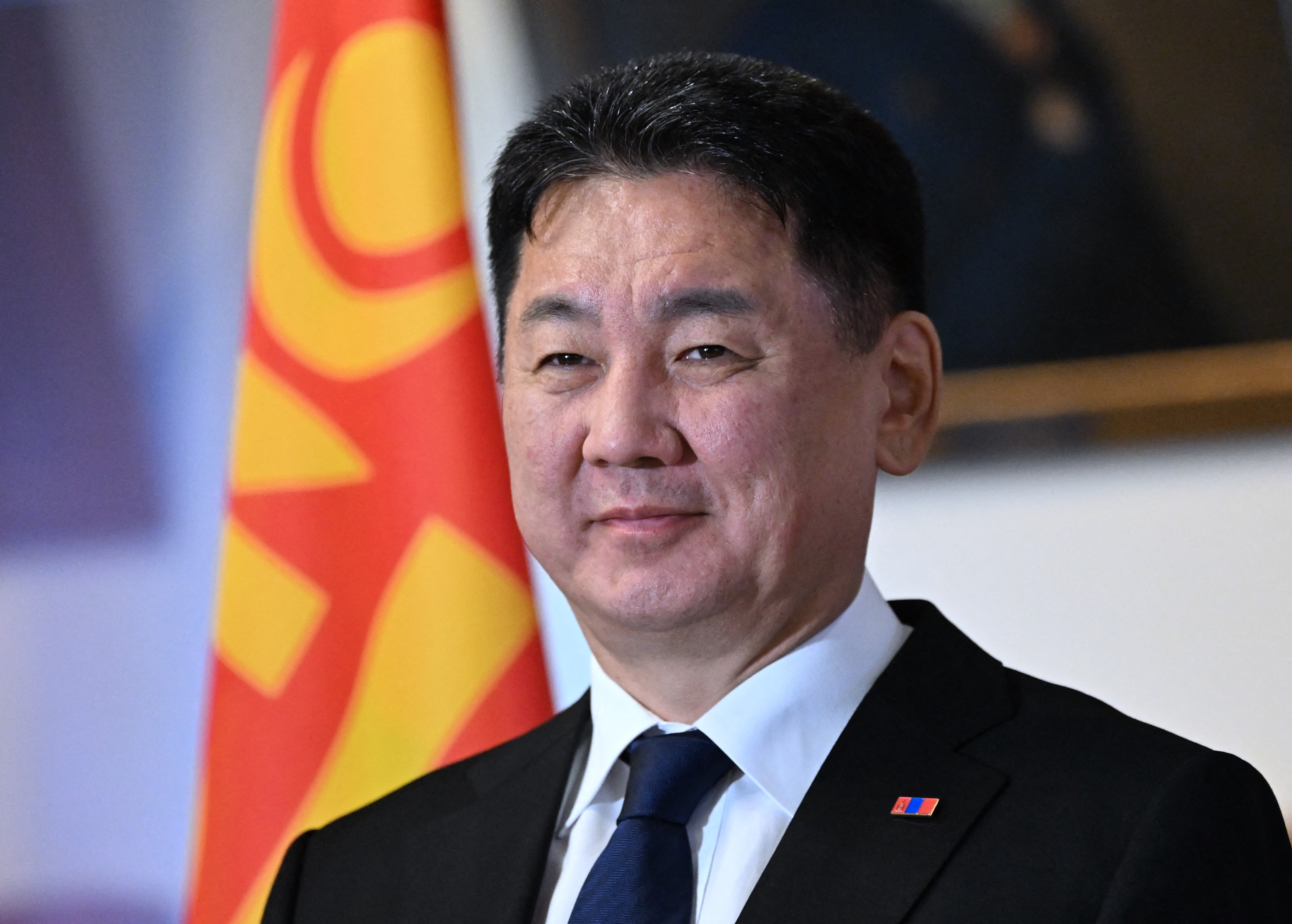
Mongolia president Khurelsukh to resign over railway bribe allegations
Khurelsukh says he is falsely accused but will step down to clear his name, and parliament must accept the resignation first

Singapore seeks US talks on AI chip curbs as Megaspeed probe widens
Washington's interim rule requires licences to ship advanced chips to five countries and to data centres serving Chinese firms anywhere in the world.
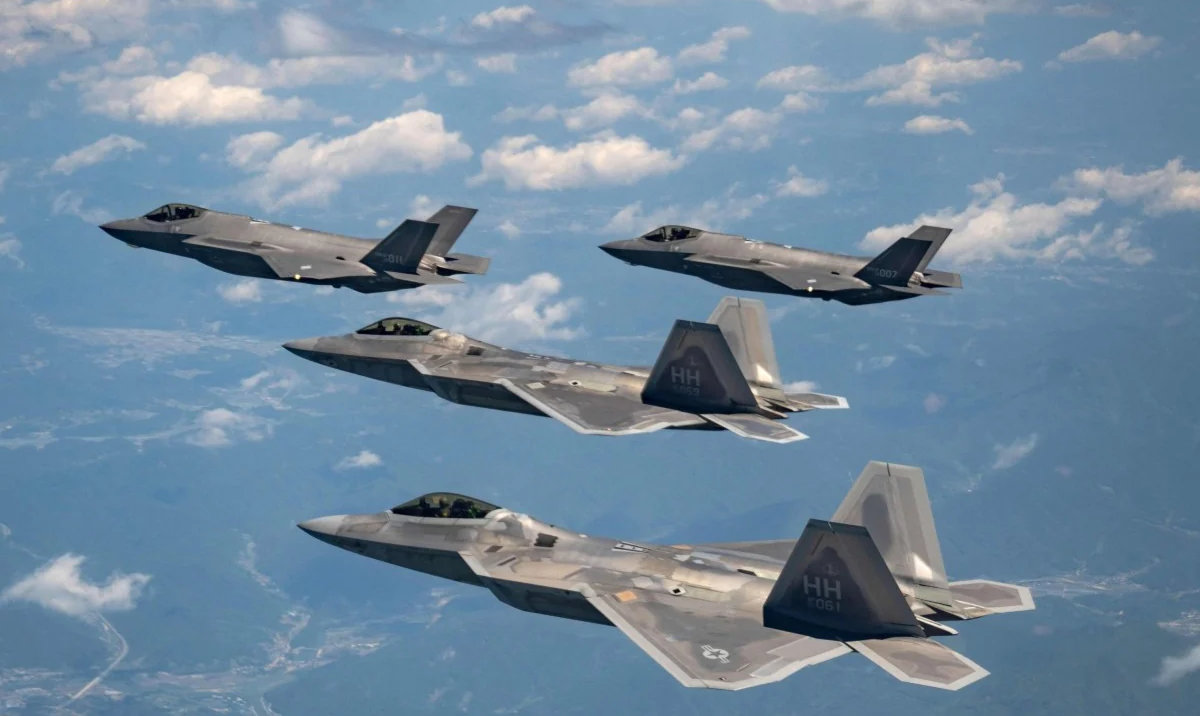
South Korea scrambles jets after Russian aircraft enter air defense zone
Seoul's Joint Chiefs of Staff said the planes left without violating South Korean airspace, and Japan scrambled jets hours later, according to Tokyo.