Bolivia declares El Nino emergency as drought hits 78,000 families
President Rodrigo Paz says the decree releases resources and rescue teams, with drought in six of nine departments and more than 75,000 cattle lost.
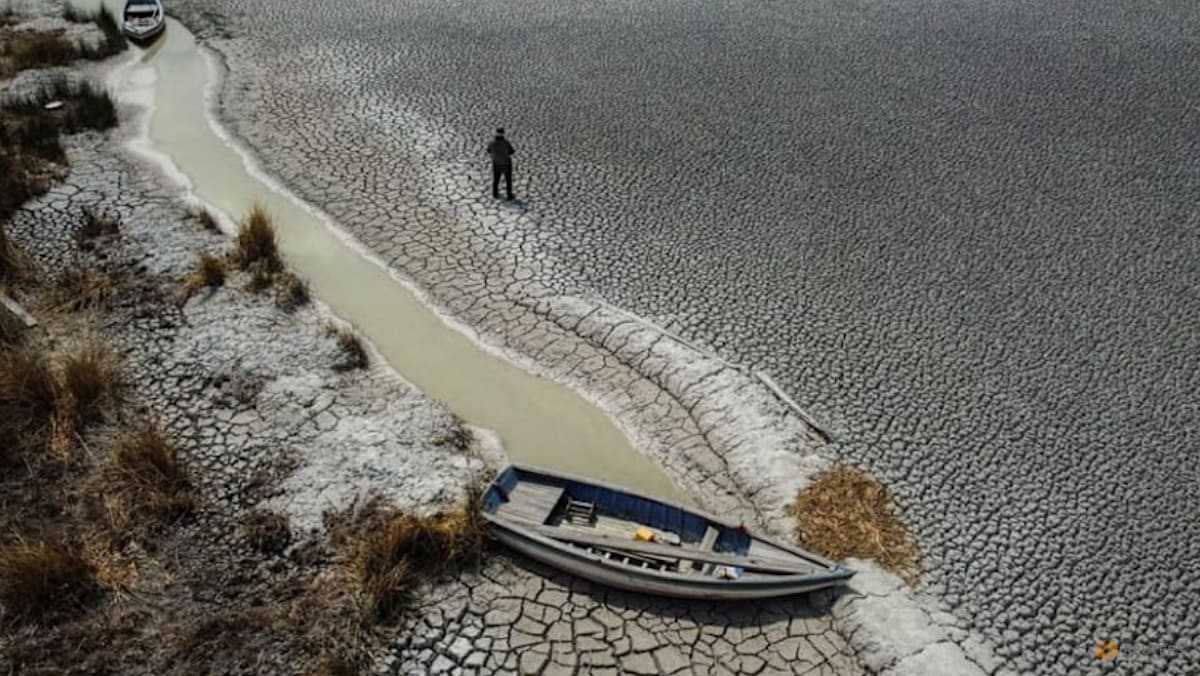
Bolivia's President Rodrigo Paz declared a state of emergency on Saturday to free up resources and send more rescue teams to areas hit by El Nino, which has brought drought and flooding to six of the country's nine departments.
"This will be a phenomenon that will have very severe impacts in terms of drought and floods, and we need the cooperation of all institutions," Paz said in an address to the nation.
A government report released this week, cited by CNA, said drought was affecting 78,000 families and had caused the loss of more than 75,000 head of cattle. Neither report named the six departments involved.
El Nino warms surface waters in the central and eastern equatorial Pacific, changing winds, air pressure and rainfall patterns worldwide. The United Nations warned this week that the current event could have "unprecedented" strength, with damage expected in Latin America, eastern and southern Africa, Asia and the Pacific, CNA reported.
DW and Al Jazeera both reported the emergency declaration.
Other South American countries are already counting the cost. Peru has recorded higher temperatures and wildfires that have killed at least 12 people, according to CNA. Santiago, the capital of Chile, had its rainiest October on record.
Bolivia is landlocked and runs from the high Andes down into the Amazon lowlands, so a single shift in Pacific rainfall can leave one region short of water and another under it.
The decree is meant to release money for the response and to deploy additional rescue crews, according to Paz's address. It came as forecasters expect the weather pattern to strengthen in the months ahead.
The government's figures cover farming families in six departments, a large share of the country's rural population. Cattle losses on that scale hit both the meat supply and the household incomes of smallholders who sell stock after a bad season.
Bolivia's neighbours are preparing for similar pressure. Peru's government has been fighting fires through the southern and Andean regions, and Chilean authorities recorded rainfall in Santiago in October above anything in their records.
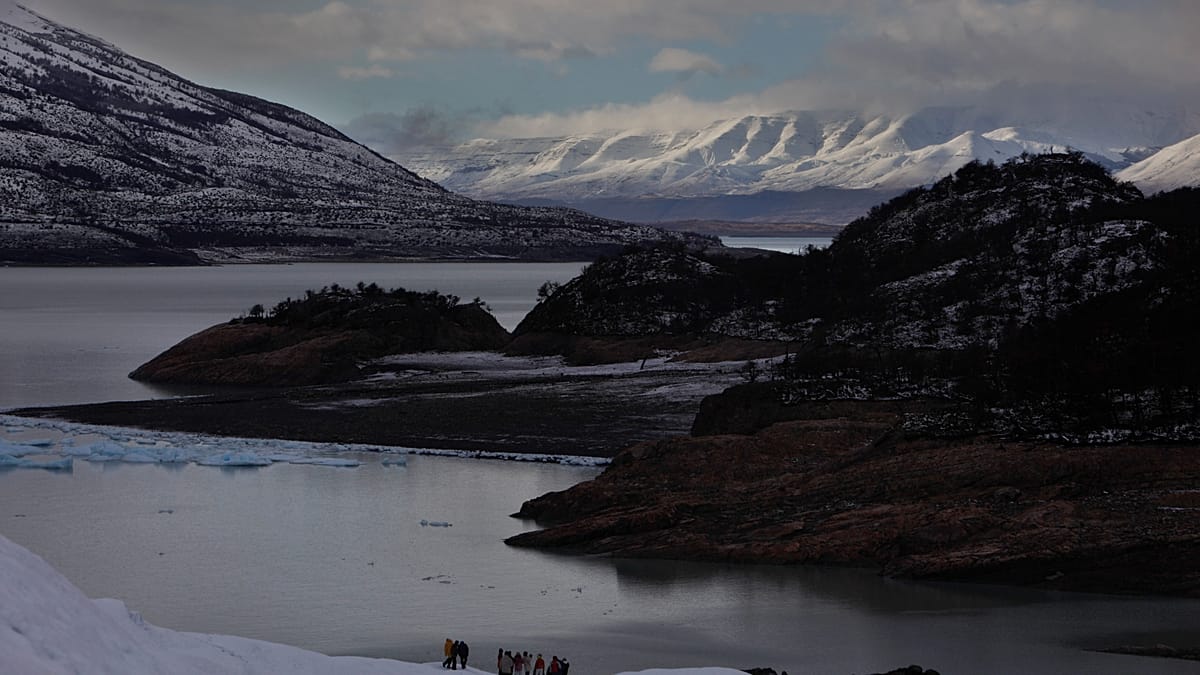
Argentina's Milei offers tax breaks to lure AI data centres to Patagonia
The president says he will not regulate artificial intelligence and wants corporate tax cut to 15% for projects of at least $1 billion, a bill still before the Senate.

Rubio denies US role in Flavio Bolsonaro's flight from Brazil
An Argentine judge has ordered Javier Milei's government to hand over details of its assistance to the Brazilian senator, the Buenos Aires Times reports.

Gilani pledges legislation, oversight and funding for water security
Senate chairman tells Pakistan Water Week that provincial water laws must be fully enforced and groundwater extraction regulated as per capita availability falls
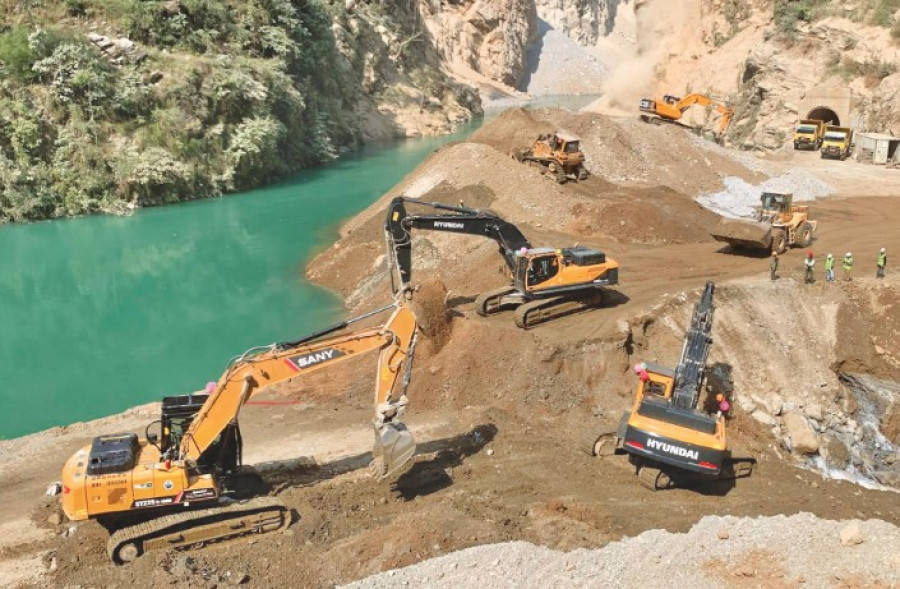
Nepal study finds 108,500 people live in flood paths
Buildings standing in the way of potential glacial lake floods rose 78 percent in seven years as roads and hydropower drew settlements toward rivers.

Lahore air hazardous as AQI passes 530, Gujranwala worse
IQAir put Lahore's PM2.5 at 343 micrograms per cubic metre at 8am, while satellite data counted 13,241 crop-burning fire spots across Punjab in October.

Yerevan nature summit ends with deal and unresolved funding
Nearly 200 countries approved the main COP17 texts early on Saturday, but the Cali Fund stays near empty and science reports were contested.
Lahore tops global air quality index at 420, Karachi third
Punjab government monitors put Gujranwala at 500 and Lahore at 478 at 7am, with nine Lahore localities reaching 500.
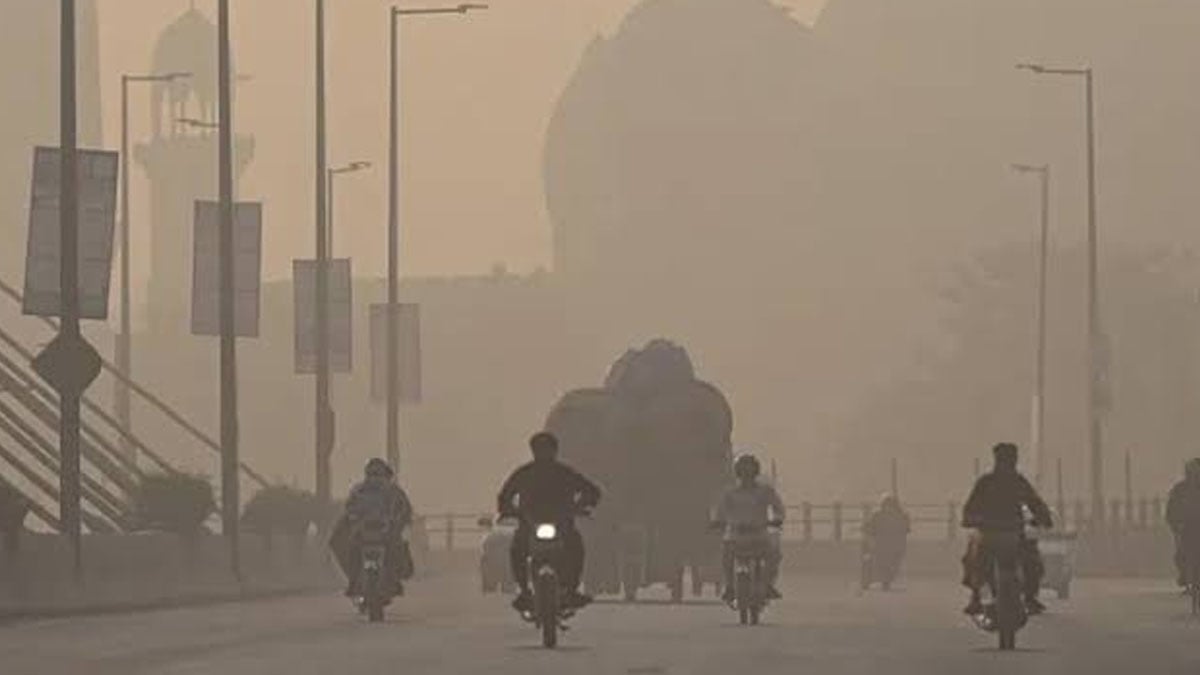
Smog returns to Punjab as Multan air quality index hits 434
Gujranwala recorded 347 and Lahore 294 as winter smog set in, with four other Punjab cities staying above 200 on the index.