Spain train crash kills 69 weeks before snap election
Transport Minister Oscar Puente blamed human error by a controller and refused to resign, as the second fatal high-speed collision in nine months hits the government.

Sixty-nine bodies have been recovered from the wreckage of two high-speed trains that collided in central Spain, a disaster that has struck the government of Prime Minister Pedro Sánchez weeks before a snap general election.
The crash happened on the high-speed line running south from Madrid, near Toledo. It came nine months after two trains collided near Adamuz, outside Cordoba, killing 46 people. The investigation into that January crash is still open, with early reports pointing to a crack in the rails.
Transport Minister Oscar Puente, appearing before reporters for a second time on Friday, said the evidence pointed to human error. A controller instructed a stalled train to restart and cleared it to advance at up to 160km/h even though a second train was stopped further up the line, he said. Audio calls and screens in the control centre in Madrid showed staff could see what was happening, Puente added, but the advancing train was never ordered to stop. "I'm no judge... But these are the facts," he said.
Puente rejected claims of chronic underinvestment in infrastructure. The LZB high-speed signalling system was neither old nor inadequate, he said, and Germany and Austria use the same equipment. It had failed 170 times in Spain so far this year, a rate he called normal and close to the EU average. The danger lies in what happens next, when the system fails and control of a line passes to manual operation.
The opposition People's Party has called for Puente's resignation on what it describes as moral and ethical grounds. He said his duty was to remain, to explain what happened and to improve the system.
Sánchez called the early election amid a run of difficulties. Allegations of corruption against his close relatives persist and he denies them. His government faced criticism over an influx of migrants from Morocco into the Spanish exclave of Ceuta this summer, and over housing after a video of a pensioner, Maricarmen Abascal, being evicted from the home she had lived in for more than 70 years prompted street protests.
Recent polling put the centre-right PP first, with the far-right Vox as its likely coalition partner. Pablo Simón, a professor at Madrid's Carlos III University, said that outcome appeared in almost 95% of the simulations he has run.
Paco Camas of the polling firm Ipsos said the crash "destroys people's confidence not only in the railways but institutions in general". Small protests over the crash have been held in Madrid, led by far-right groups, and police are on stand-by for further demonstrations organised online this weekend.
Sky News reported that a University of Cambridge professor was among the 69 people killed.
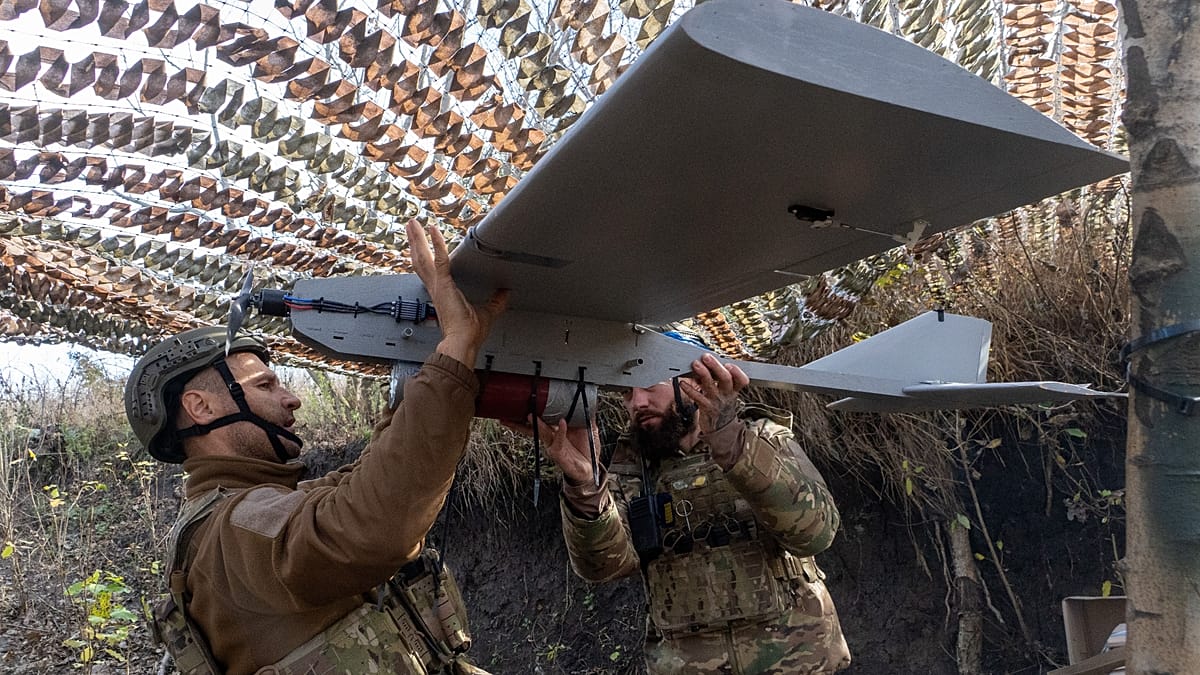
Russia says drones damaged Nizhny Novgorod plant as Ukraine claims refinery hit
Governor Gleb Nikitin reported more than 100 drones destroyed and no casualties; Ukrainian monitors say a Lukoil refinery was the target
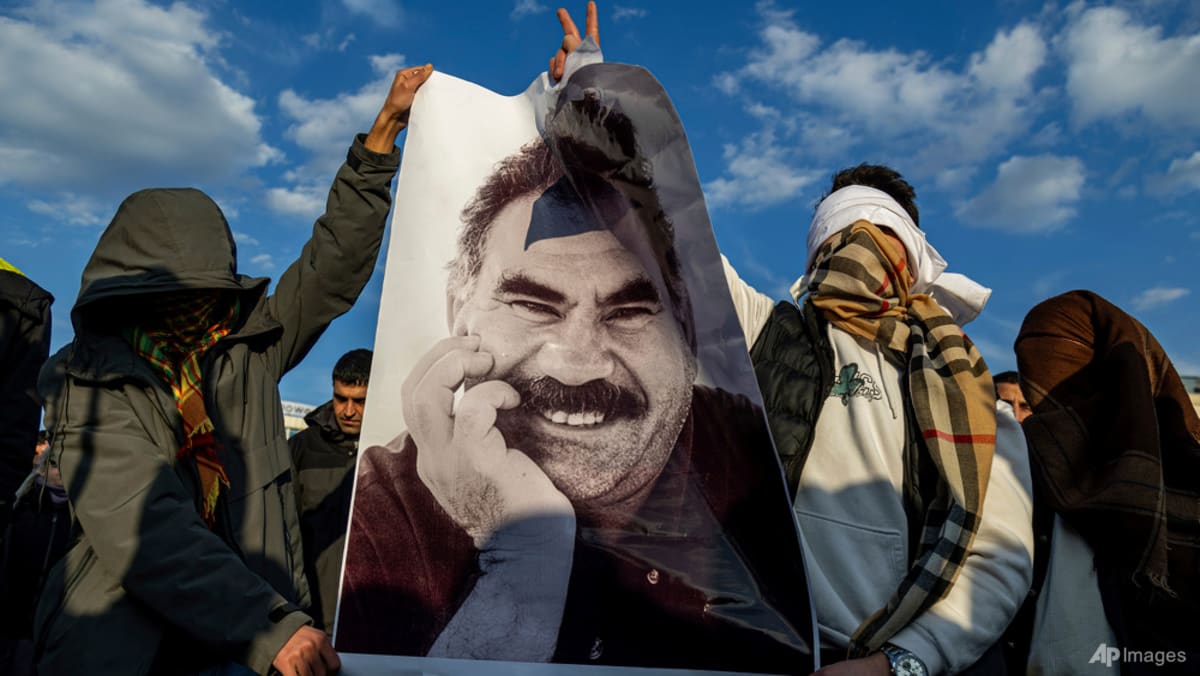
Turkey moves PKK leader Ocalan to new Imrali prison section
Kurdish DEM Party lawmaker Mithat Sancar confirmed the transfer and said the peace process has been paused for two months.

Yerevan nature summit ends with deal and unresolved funding
Nearly 200 countries approved the main COP17 texts early on Saturday, but the Cali Fund stays near empty and science reports were contested.
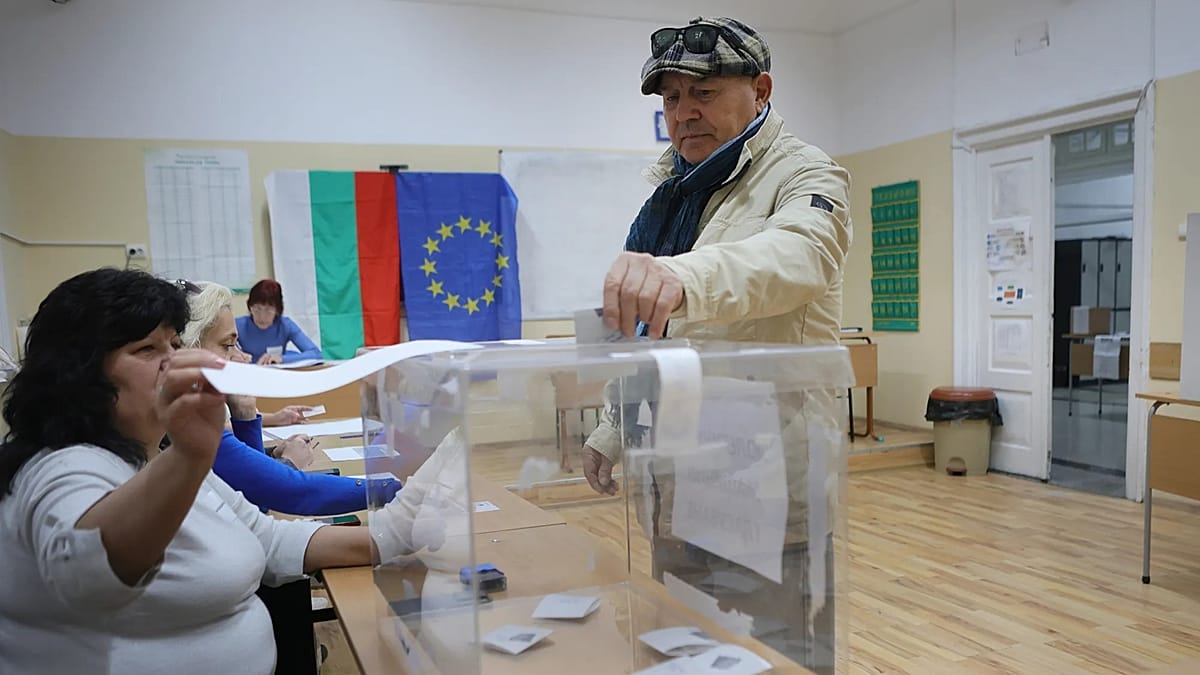
Bulgaria votes in presidential runoff split over Russia
Incumbent Iliana Iotova, who favours talks with Moscow, meets pro-Western challenger Andrey Gyurov after a first round that defied the opinion polls