US soybean growers squeezed as China's farm buying lags pledge
Reuters reports China is behind on a $17 billion commitment; Nikkei Asia says rising costs and weaker demand are testing growers' loyalty to Trump before the midterms.

China's buying of US farm goods is lagging a $17 billion commitment, Reuters reported on Monday, putting a trade pledge under strain as American soybean growers face higher costs and weaker Chinese demand.
Neither report specified how far purchases have fallen short of the $17 billion figure, or the period the commitment covers.
Nikkei Asia reported that the fall in Chinese demand has left a hole that temporary trade truces cannot easily plug, and that rising input prices and softer demand are squeezing soybean growers. It gave no figures for the drop in demand or the rise in costs.
Nikkei Asia reported that for Tyler Stafslien, a fourth-generation farmer in central North Dakota, running the 2,500-acre property his family has owned since 1912 feels increasingly like a rescue mission.
Nikkei Asia carried its account in its coverage of the US midterm elections, the contests held between presidential votes that decide control of Congress, and framed the pressure on growers as a test of their loyalty to Trump. It did not say how the contests might change farm policy or the pledge itself.
Reuters put the $17 billion commitment at the centre of its report, treating the pace of Chinese purchases as the measure of whether the deal holds. Nikkei Asia led with the growers, the cost of seed, fuel and fertiliser, and the politics around them.
Both accounts place the same crop at the centre of the dispute and the same two governments on either side of it. Where they part is on what the shortfall means: a broken promise on trade, in Reuters' telling, or a farming constituency drifting from a president it backed, in Nikkei Asia's.
How the reports differ
Reuters led with the trade commitment, reporting that China's slow buying of US farm goods is testing a $17 billion pledge, and kept the story in the language of commerce rather than elections. Nikkei Asia led with the growers themselves, naming a North Dakota farmer, tying the squeeze to input costs and weaker Chinese demand, and placing the piece in its US midterm elections coverage as a question of farmers' loyalty to Trump. A third item carried by the desk, from Boston University, dealt with climate-resilient infrastructure and Bangladesh's trade costs and did not address the farm purchases at all.
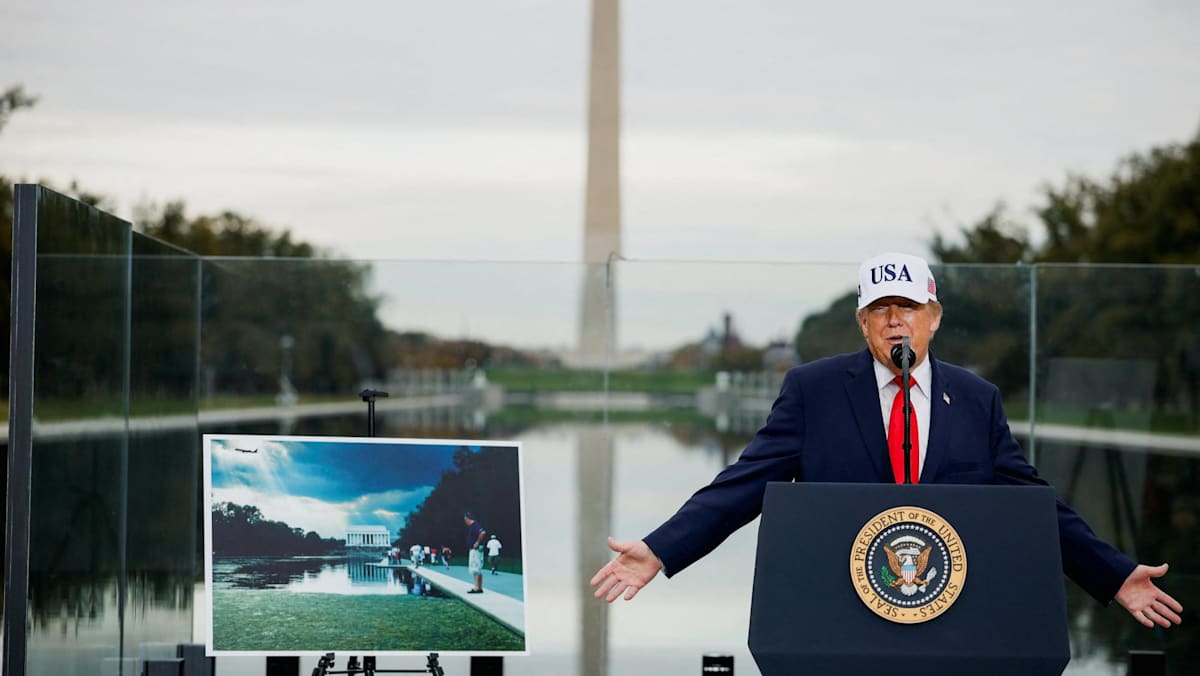
Trump makes closing midterm pitch at Reflecting Pool
A day before voting, the president urged Republicans to unite at a Washington landmark whose repairs have drawn criticism.

Marvell to buy Lumentum for $115bn in AI data-centre bet
Reuters gave the figure without terms or a closing date, as an LG CNS facility opened in Jakarta and Bank of America warned on the AI boom.

US FDA grants tentative approval to generic lenacapavir
Dr Reddy's and Unitaid say the $40-a-year shot will be sold in 120 countries, making HIV prevention more accessible.
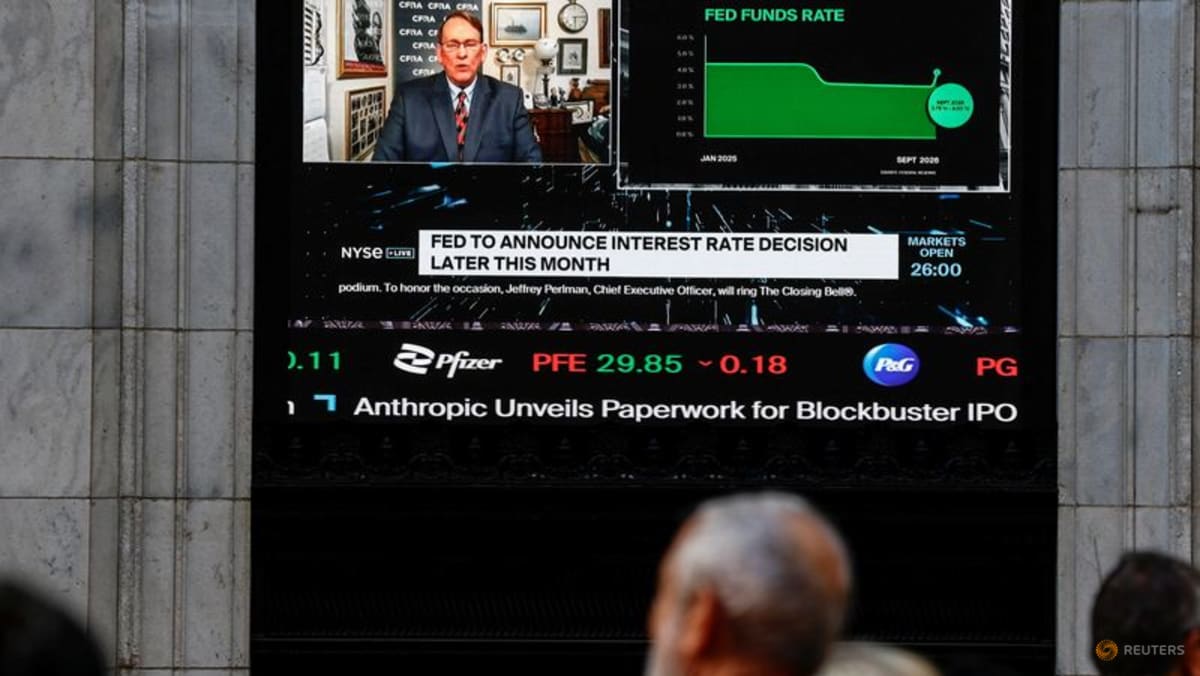
Anthropic revenue jumps 1,100 percent ahead of Wall Street listing
The AI developer reported $17bn in third-quarter revenue and a $23.3bn net loss, most of it from accounting charges tied to its rising valuation.

Oracle seeks $20bn from investors to finance AI expansion
Anthropic separately plans to raise up to $3.5bn in Japan as part of a Nasdaq listing, Nikkei Asia reports, in a week of large AI fundraising.

Apple's new CEO Ternus faces first earnings call as memory costs rise
Analysts expect revenue up nearly 11% to $113.4bn, with investors seeking guidance on Christmas sales, AI plans and chip costs.

RSF adds Trump to 2026 press freedom predators list
RSF published its annual predators list on the UN day against impunity, with A News reporting Trump's inclusion and Kenya counting 92 violations in 2025.

Nasdaq logs worst month since 2025 as AI spending fears hit tech
Intel fell 28% and Alphabet lost more than $500bn in value as investors weighed whether huge AI investments will pay off.