Government Proposes 10% LPG Quota for Gilgit-Baltistan, Remote Areas
Producers would sell a tenth of their output to state marketing companies at producer prices, with the other 90% going to OGRA-prequalified bottlers at monthly auctions.
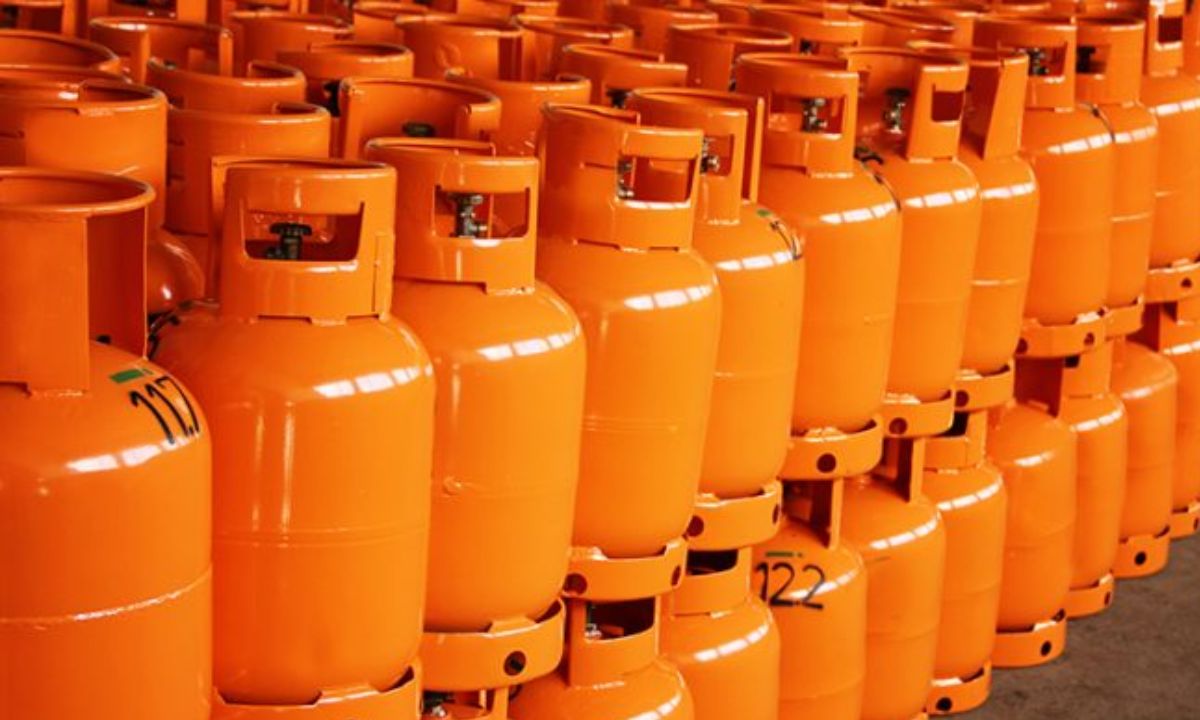
The federal government has proposed reserving 10 percent of Pakistan's locally produced liquefied petroleum gas for remote and hard-to-reach areas, including Gilgit-Baltistan, so households there are not left without cylinder supplies when the market tightens.
Under the framework, set out in a government summary reported by TechJuice, exploration and production companies, refineries and other domestic LPG producers would hand 10 percent of their output to state-owned marketing companies at producer prices. The set-aside is aimed mainly at Gilgit-Baltistan and other hilly districts where homes cook on LPG cylinders and where air-mix plants already supply fuel.
The remaining 90 percent would be sold to bottlers through monthly auctions open only to companies prequalified by the Oil and Gas Regulatory Authority. The auction floor price would be fixed 5 percent below Pakistan State Oil's import-parity price.
Prequalification would turn on a company's investment in storage and infrastructure, its stock of cylinders, the areas it covers and its operating capacity. The summary also proposes safeguards against cartelisation among bidders.
One provision carves out PARCO, allowing it to allot 75 percent of its auctionable share to its subsidiary PARCO Pearl Gas Limited, with the other 25 percent going to the monthly auctions.
TechJuice reported the market figures given in the summary: national LPG consumption is about 2.4 million metric tons a year and has grown at an average of 7.5 percent annually over the past six years. Demand is expected to rise 8 to 8.5 percent a year as domestic natural gas production falls and the piped network stops expanding.
More than 10 million households are connected to piped natural gas. Over 25 million, many of them in remote districts, depend on other fuels, LPG among them.
A KPMG analysis cited in the summary projects demand rising from 2.4 million tons in FY2025-26 to 4.16 million tons by FY2032-33. Domestic production would climb from 0.96 million tons to 1.35 million tons over the same period, leaving imports to close the gap, from 1.4 million tons to 2.8 million tons by 2033.
Imports already account for about 71 percent of LPG supplies, according to the summary. The report gave no date for cabinet approval of the framework or for its notification.

SNGPL extends new gas connection ban with no restoration date
Tandoors and hotels are also cut off from November, and thousands who paid the urgent processing fee still have no date for installation.

Ogra raises LPG price by Rs14.73 per kg for November
A domestic cylinder will cost Rs3,470.09 from 1 November, Rs173.86 more than October's Rs3,296.23, under the regulator's notification.

LPG falls Rs 50 a kg in Lahore but stays double Ogra rate
Dealers expect a further drop as fresh stocks arrive, yet consumers pay Rs 550 a kg against the Rs 279.34 rate fixed by the regulator.

Petrol may drop Rs15 a litre as refineries take the burden
Petroleum Minister Ali Pervaiz Malik says the new import-parity formula puts a Rs15 billion monthly cost on local refineries, which say they were not consulted.
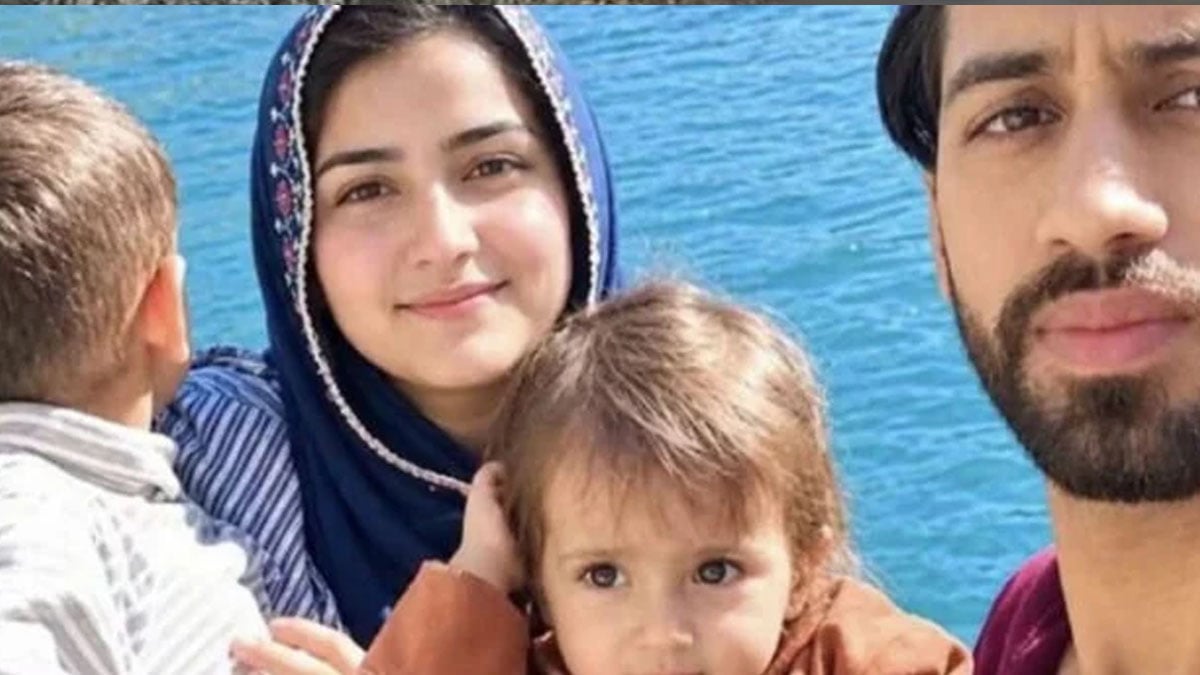
Police arrest woman's uncle over Skardu family killings
Two men are held in the murders of Muhammad Aslam, his wife Hania and their children Mehdi and Zahra, with police saying five people took part.

Gilgit-Baltistan marks 79th Independence Day with parades in ten districts
Governor Syed Mehdi Shah raised the flag at Chinar Bagh and repeated a claim that Pakistani forces shot down more than seven Indian aircraft.
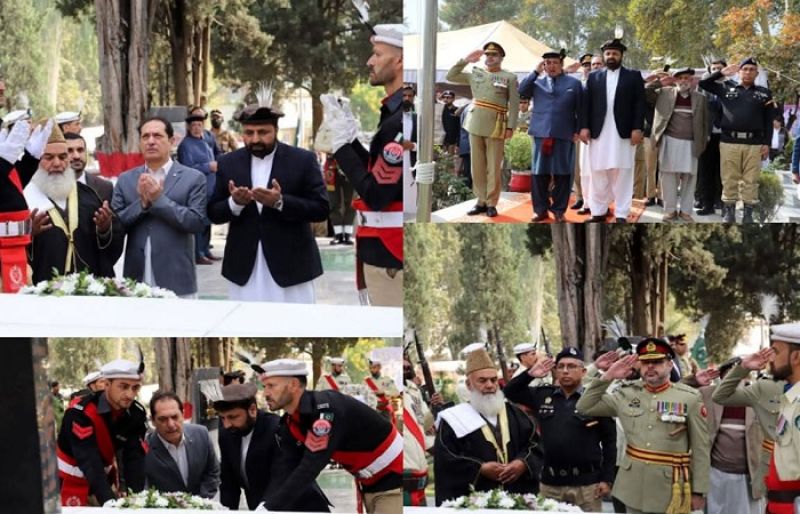
Gilgit-Baltistan marks Independence Day at Chinar Bagh ceremony
Governor Syed Mehdi Shah and Chief Minister Amjad Hussain hoisted the flag and laid a wreath at the Martyrs' and Heroes' Monument, Such TV reported.

Met Office forecasts dry weather, snow on northern hills
Skardu recorded a maximum of 0°C in the past 24 hours, second only to Leh's minus 3°C in the Met Department's table, as Gilgit-Baltistan stays partly cloudy and cold.