Lula accuses big tech of interference in Brazil election
Two weeks after winning a fourth term, the president said platforms gave millions of views to disinformation, but named no company and offered no evidence.
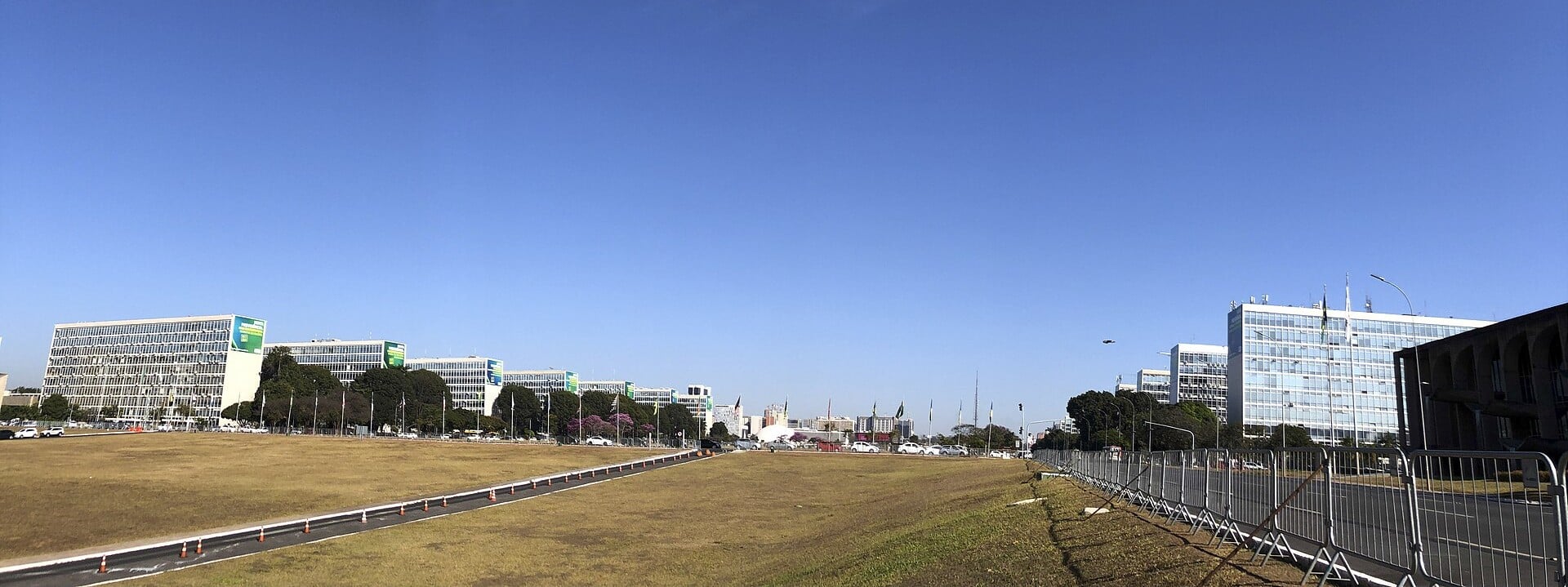
Brazil's president Luiz Inácio Lula da Silva said large technology platforms tried to interfere in the country's election by giving millions of views to false content, in a national address on Sunday 8 November 2026. He named no company and offered no evidence for the claim.
The accusation lands on US-owned firms. Meta, which owns Facebook and Instagram, Alphabet, Google's parent company, and X, formerly Twitter, are all American, so any Brazilian rule or electoral court sanction against them would reach US-Brazil relations.
Lula, of the Workers' Party, won a fourth term in the runoff on 25 October against Senator Flávio Bolsonaro of the conservative Liberal Party. Speaking two weeks later, he thanked voters for the more than 64 million votes he said he received, a figure he gave himself.
"The so-called big techs tried to interfere in the Brazilian electoral process, giving millions of views to content with disinformation and fake news," he said. "The truth beat the lie."
He also promised to govern for all Brazilians and said Brazil should "build bridges instead of walls".
The speech repeats a charge his campaign took to the Superior Electoral Court, the body that runs Brazilian elections and judges disputes over them. On 21 October the campaign asked the court to strip Flávio Bolsonaro of his candidacy, alleging that Meta's systems favoured his content. No decision on that request has been found.
No court has found that Meta or any other platform interfered in the vote, and Lula did not say in the address which platforms he meant.
He used the speech to call for political reform and for reform of the judiciary, saying Brazilian justice needed to recover its credibility. He said that, with the constitutional amendment on public security approved, he will send a provisional measure, a presidential decree with immediate force, creating a Ministry of Public Security.
The address comes as Congress considers a big tech competition bill. Its rapporteur, the lawmaker steering it through the chamber, wants it passed by the end of the year, according to The Rio Times. No date for a floor vote had been set as of 9 November.
Lula wins Brazil runoff as Bolsonaro's son leaves for Florida
Flávio Bolsonaro, beaten on 25 October, is in Miami; Brazilian shares fell after the result and traders put a Trump meeting at 19.5%.

Brazil publishes non-binding global roadmap to quit fossil fuels
Two documents set out steps any country can take now, but carry no deadlines or benchmarks, drawing criticism that they fall short of the pace needed.
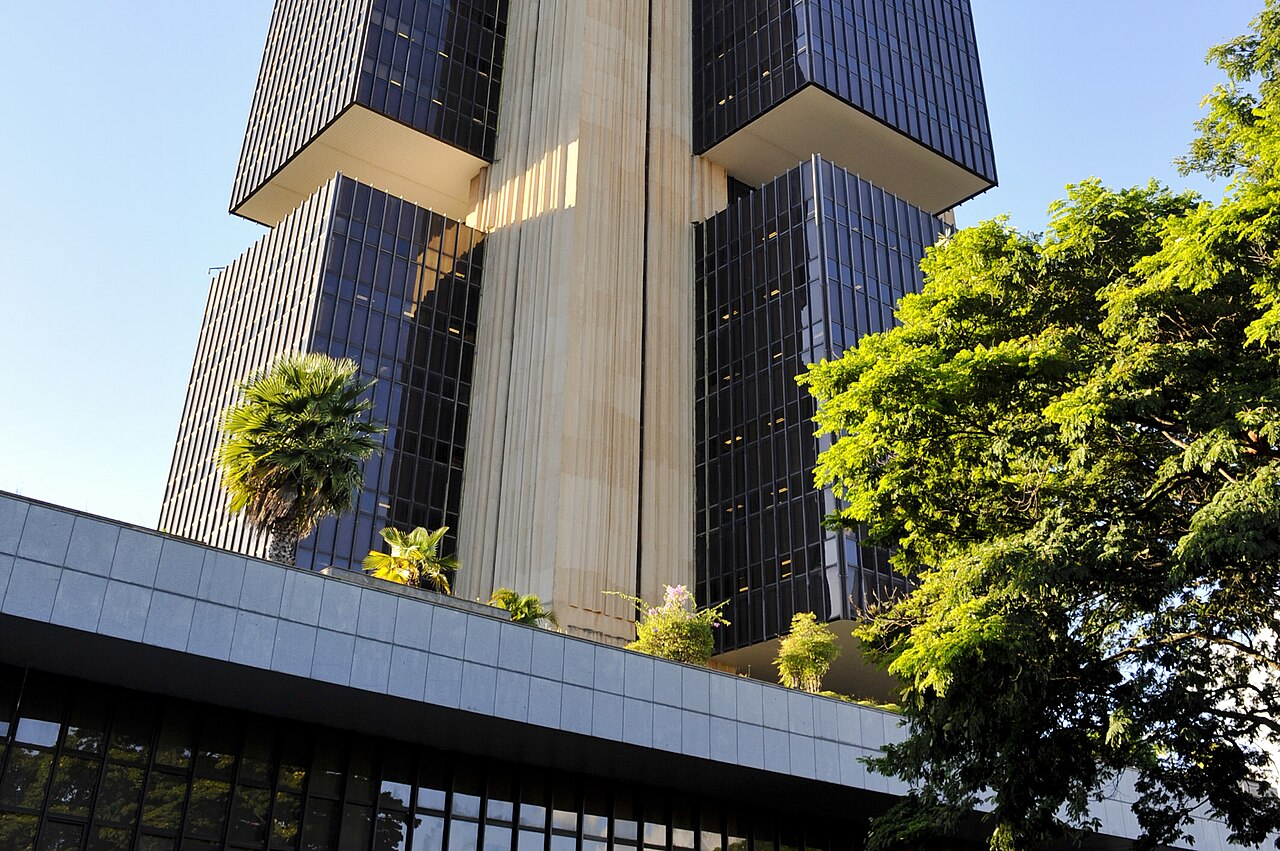
Brazil finance minister denies plan to cap interest rates
Dario Durigan says no freeze of the Selic is under study, a day before the central bank decides whether to keep cutting.
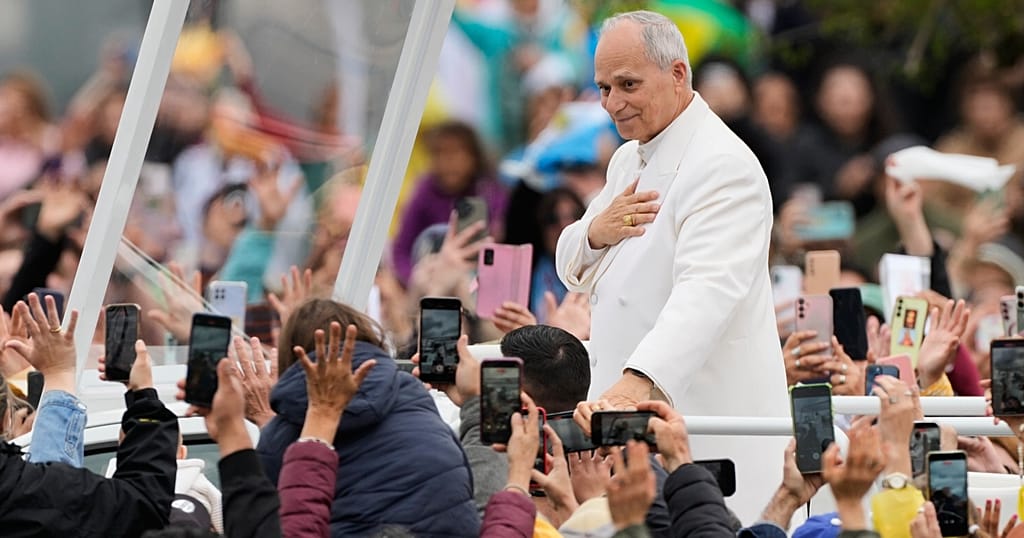
Pope Leo begins 12-day South America tour in Uruguay
The 71-year-old arrives in Montevideo three weeks after surgery for a lung tumour, on the first papal visit to Uruguay in nearly four decades.
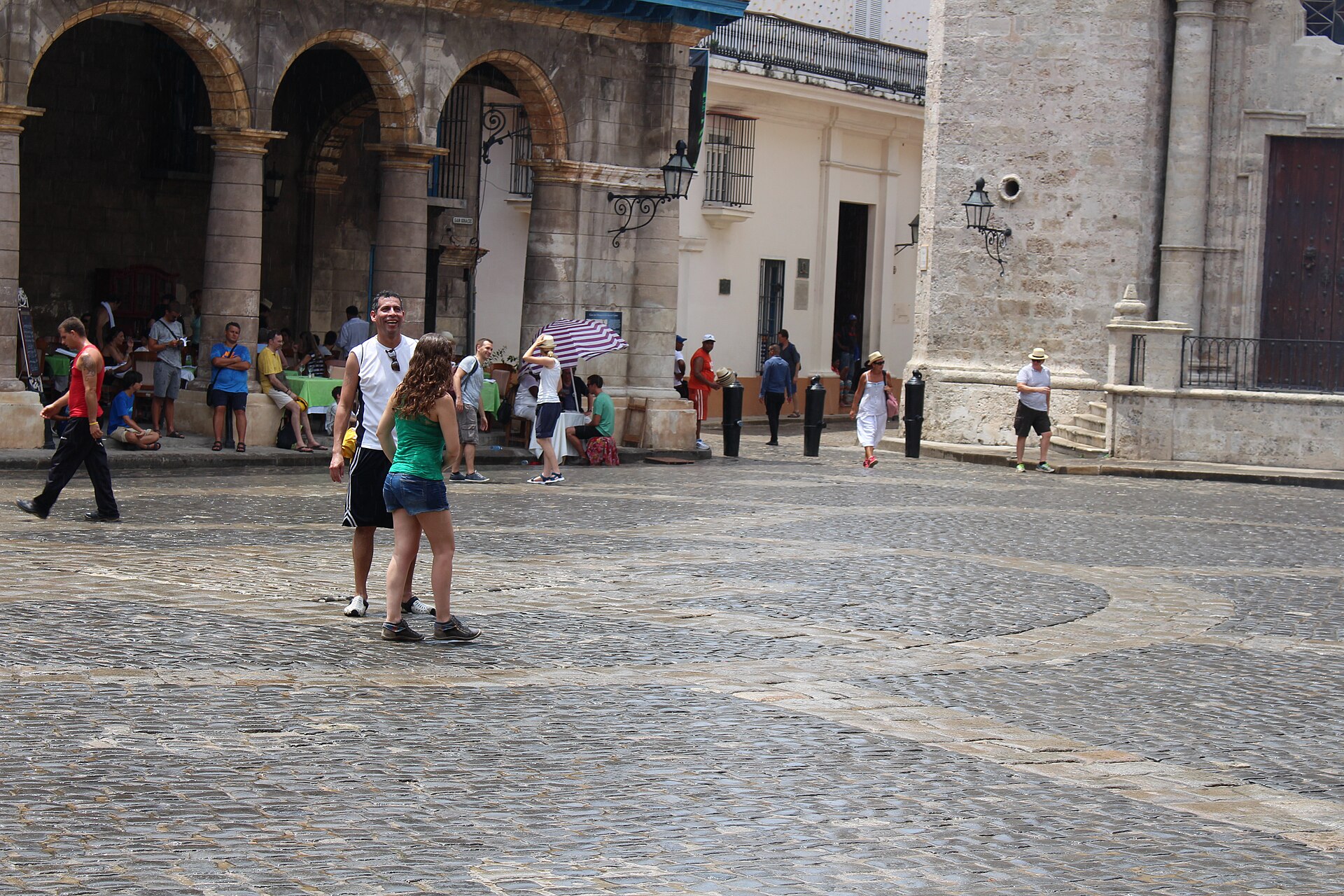
US sanctions Cuban oil shippers, tankers and electronics suppliers
Treasury adds two Cuban nationals, six companies in Cuba, China and Panama, and two tankers to its blocked list, and opens four Cuban sectors to penalties.
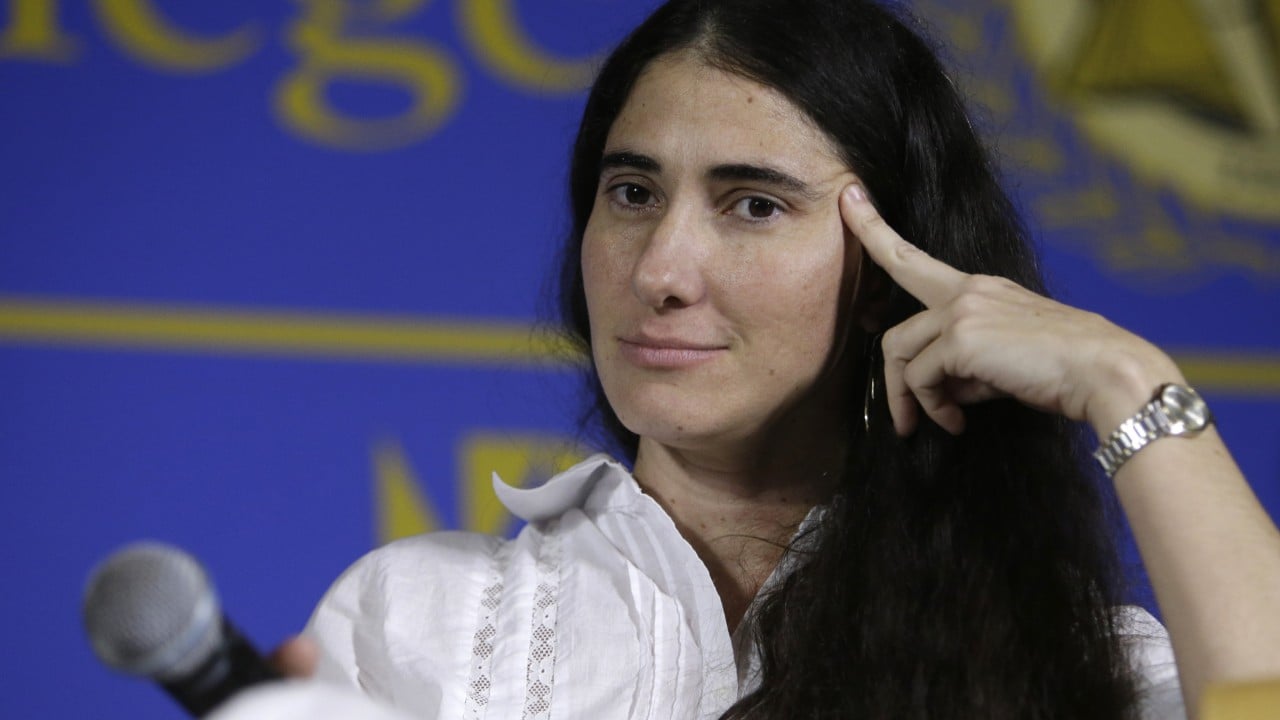
Cuba detains 14ymedio founder Yoani Sanchez in Havana
Her husband Reinaldo Escobar, speaking from Madrid, announced the detention on social media; she is the third independent journalist held in the capital this week.
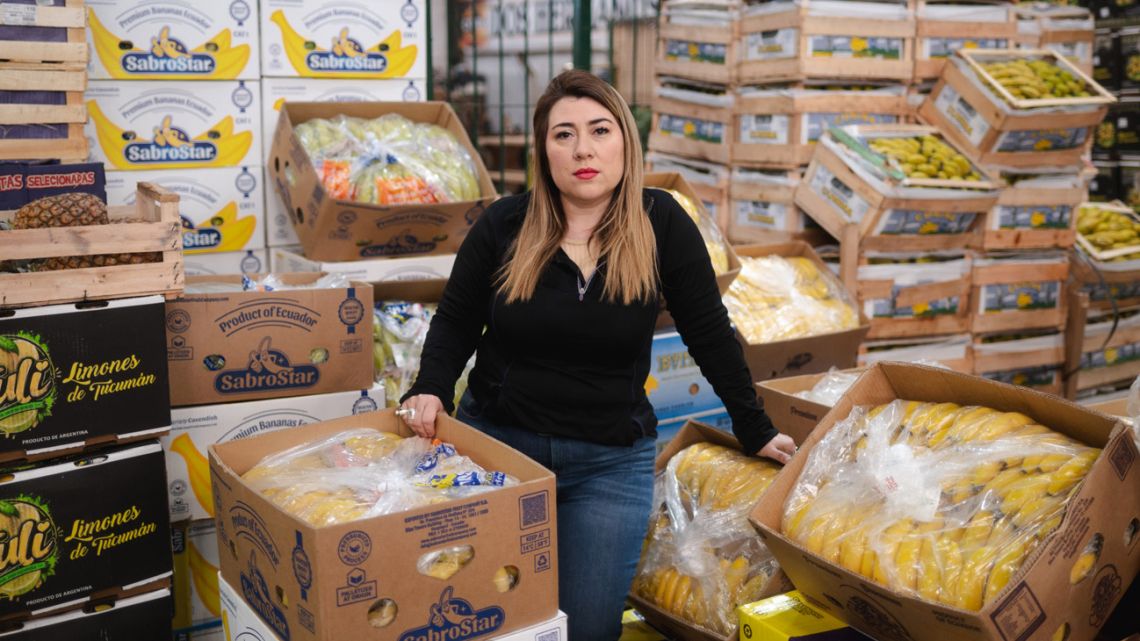
Argentina suspends bank account freezes for small businesses
Economy Minister Luis Caputo said the tax authority ARCA would halt the freezes until at least May and extend repayment plans, after enforcement actions rose 52 percent this year.
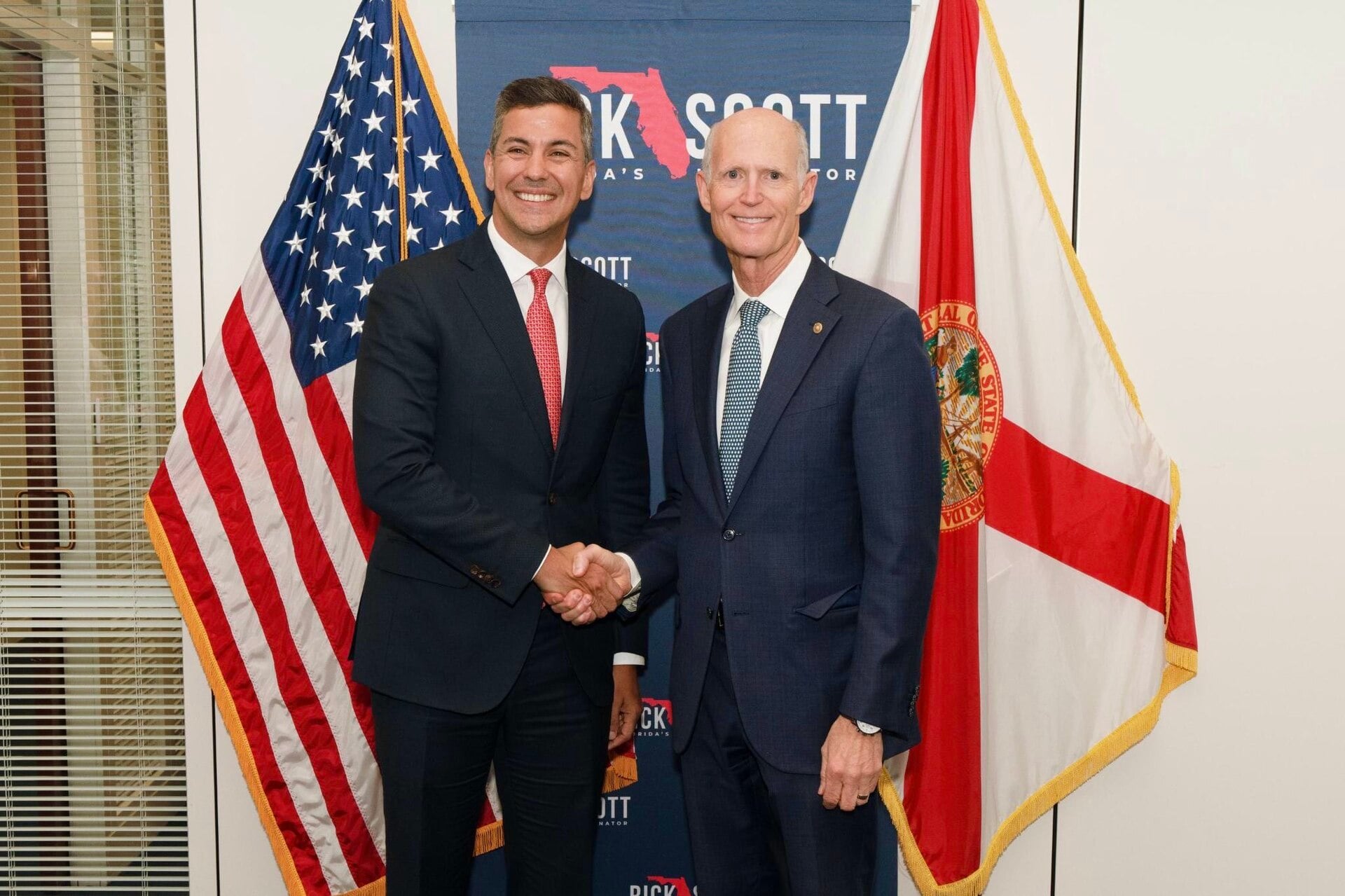
Paraguay lawmakers move to impeach Peña over bank collapse
The central bank placed ueno, a digital lender with about 3 million customers, into resolution and froze accounts, prompting protests in Asunción.