Sindh pledges Thar coal royalties for local uplift as residents dispute benefits
Qasim Siraj Soomro told a Karachi energy conference that coal revenue would fund Thar's development, while villagers said jobs, clean water and a resettlement plan are still missing.
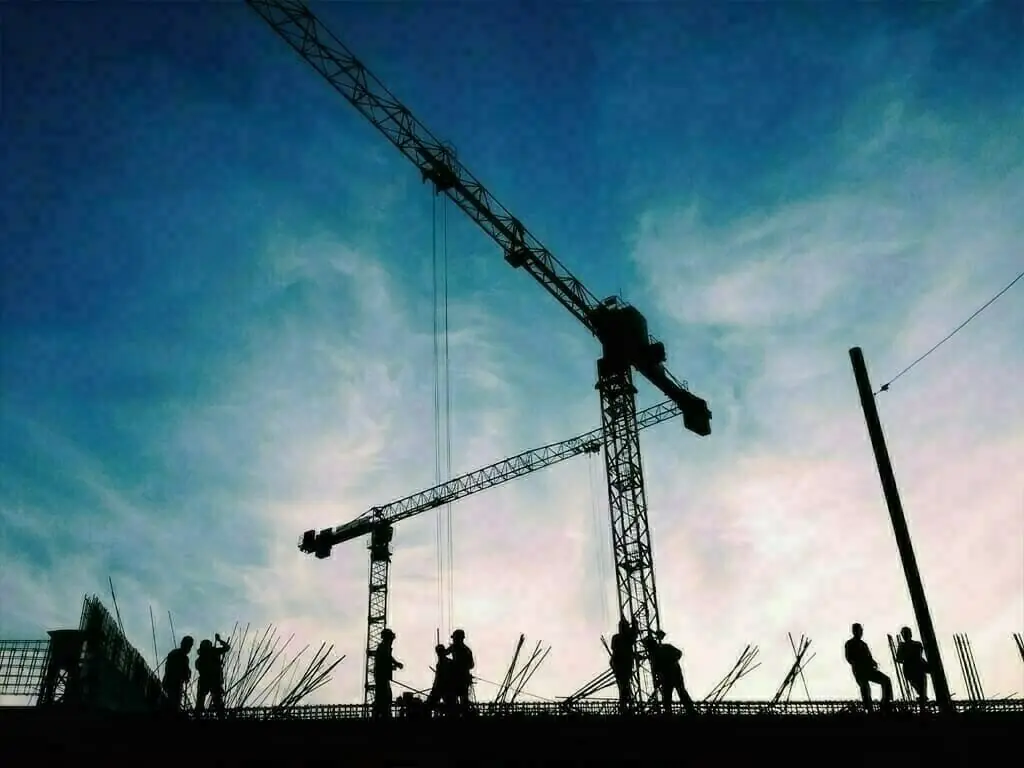
Karachi: Sindh will spend royalties from its Thar coal projects on developing the areas the coal comes from, a provincial parliamentary secretary said on Tuesday, acknowledging in the same speech that most reverse osmosis plants installed across Thar are not working properly.
Qasim Siraj Soomro, parliamentary secretary for Local Government and Housing and Town Planning, told the first day of the two-day Sindh Energy and Climate Conference that the chief minister had made clear that revenue from coal projects would be spent on Thar's local population. Safe drinking water remained a major challenge for communities living near energy projects, he said.
Representatives of coal-affected communities disputed the development claims, saying residents still face unemployment, environmental degradation, weak public services and uncertainty about resettlement after years of heavy investment in mining and power generation.
Abdul Aziz Qadri of Thario Halepoto said the village has about 4,500 residents who have not received adequate jobs although energy projects operate around them. He asked how much royalty revenue had reached local people, and said neither the government nor project authorities had shared a resettlement plan. Open dumping was spreading disease, including tuberculosis, he said, and community representatives were called to official events for photographs while their problems stayed unresolved.
Deedar Bheel raised wastewater disposal near villages, particularly Dhukrjo, alleging that neither the Thar Coal Company nor the Sindh government consulted residents before discharging it. He said the problem had run from 2018 to 2026 without a lasting solution, and that a pipeline laid through the middle of a village graveyard had hurt religious and cultural sentiment. Villagers who protested faced police action and an FIR registered against them, he said, adding that the community had approached Sindh Minister Nasir Shah without a practical result.
Another community representative questioned hiring in Block II during Phase III of the project, saying even residents of the relevant union council could not get meetings with the authorities. A session moderated by Mehwish of the Policy Research Institute for Equitable Development examined the burden coal development places on women. Mehwish questioned the use of women dumper drivers as a symbol of empowerment, saying such images served corporate publicity, and said women carry the costs of land acquisition, displacement, poor health, restricted movement and lost livelihoods.
Housh Mohammad Mango, a social activist from Sanghar, said polluted water discharged during oil and gas exploration had contaminated drinking water sources, and pointed to reports of cancer and skin disease among residents. Journalist Sohail Sangi said the benefits appeared concentrated in a limited belt around the coalfields, and argued development should be judged by living conditions rather than the size of energy investment.
Dr Ismail Kumbhar of Sindh Agriculture University called for protection of the environmental, social, economic and cultural rights of communities affected by fossil fuel extraction, for fair compensation, restoration of livelihoods, community participation in decisions and transparent use of energy revenue, and for a socially just transition to renewable energy.
Mustafa Talpur of Partners in Development Consultancy said many rural areas of Sindh still lack uninterrupted electricity while sitting beside major energy projects, and that land is often acquired without adequate compensation.
The conference was organised by Sath, The Knowledge Forum, the Climate Action Centre, the Civil Society Support Programme, Partners in Development Consultancy, Indus Consortium and PRIED. Participants called for affordable, uninterrupted electricity to be recognised as a fundamental right for communities that produce the country's energy, alongside safe drinking water, fair compensation, jobs and a transparent resettlement policy.
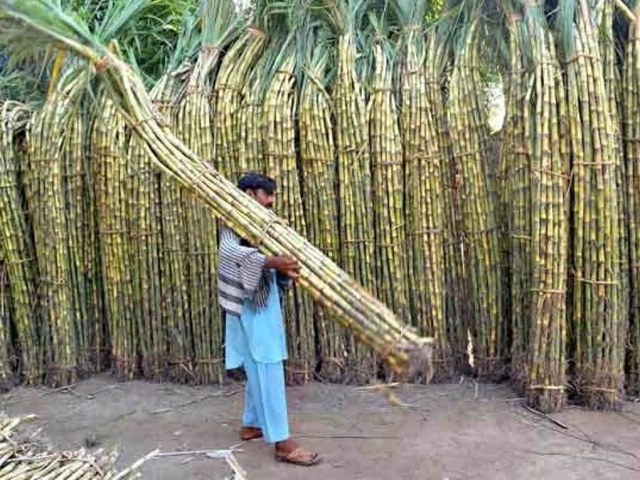
Sindh growers set 10-day deadline on sugarcane price
Farmers want Rs650 a maund for cane and Rs4,500 for wheat, and say mills have still not begun crushing due to start on 1 November.
Sindh to reopen Red Line BRT U-turn on Karachi's University Road
Sharjeel Inam Memon chaired a transport department meeting that also reviewed routes for Karachi's newly arrived double-decker and electric buses.

Sky Wings Aviation announces round-the-clock air ambulance service
The Karachi operator says the service runs under its air operator certificate and flew a patient from Sukkur to the city in about 90 minutes.

Liquor sales continue across Sindh despite legal restrictions
ARY News reports about 150 licensed shops in the province, nearly 70 of them in Karachi, and a 55 per cent rise in alcohol duty revenue in 2022.

Tharparkar ambulance fire inquiry finds no confirmed cause
The committee, formed on 29 October under the Sindh director general of health services, says forensic and technical findings are needed before it can name the cause.
FBR chief says government plans to abolish super tax
Rashid Mahmood Langrial tells a KATI meeting in Karachi the rate has already been cut by two percentage points and an FBR office will open for Korangi industrialists.

Boy from Jhal Magsi dies of rabies at Karachi's JPMC
Hospital sources said he was bitten about a month before his death, was admitted on November 1, and did not receive rabies immunoglobulin.
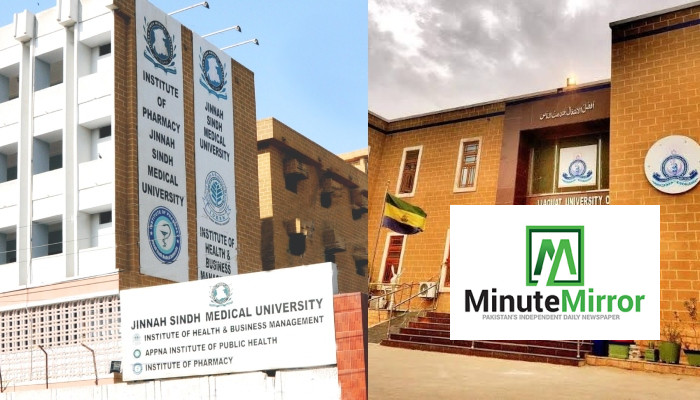
Sindh medical universities flag 53 marks sheets in MBBS admissions
LUMHS Jamshoro reported 43 suspect sheets and JSMU Karachi seven, a breakdown that adds to 50 against the report's stated total of 53.