UNICEF reports tripled attacks on water systems in conflict zones
The agency counted more than 135 incidents in 15 countries in 2025, against fewer than 45 in eight countries in 2021, and says funding covers a quarter of the need.
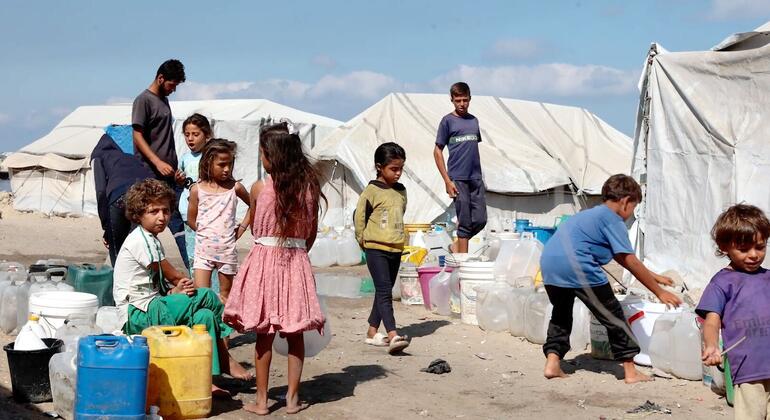
Attacks that damaged or destroyed water and sanitation systems in conflict zones more than tripled between 2021 and 2025, UNICEF said in a report published on Thursday, with children carrying the health consequences.
The report, Water Under Fire 4, counted fewer than 45 incidents across eight countries in 2021 and more than 135 across 15 countries in 2025. It documents assaults on water, sanitation and hygiene facilities, and on the workers and communities who depend on them, in 23 countries and territories over a period it gives as January 2021 to June 2026.
UNICEF Executive Director Catherine Russell said attacks on these systems "deprive children of safe drinking water and the essential services that rely on water to function effectively".
The agency grouped the assaults into seven categories, among them strikes on treatment plants, pipelines and wells, contamination of water sources, and restrictions on the supply of spare parts and chemicals needed for treatment.
The effects run past drinking water. UNICEF said hospitals without clean supply cannot sterilise equipment, deliver babies safely or prepare therapeutic milk for children with severe malnutrition. The report recorded children killed or injured while waiting in line for water, citing examples from Gaza, and described risks to women and girls, who usually fetch water for their households, including sexual violence.
Its country examples include Khartoum state, where by March 2024 only one of 13 water treatment plants was fully operational, and Gaza, where more than 130,000 metres of sewage pipelines have been destroyed since October 2023. In Iraq, a drone attack on a gas field in November 2025 cut electricity production in the Kurdistan region by about 80 per cent, forcing authorities to ration power between water projects, hospitals and cities, according to the report. The UN recorded the killing of 14 water facility employees in Lebanon during the 2024 conflict.
Supply can fail even where pipes and pumps survive, the report found. UN News reported that UNICEF's Louise Potterton in Ukraine described attacks this week that disrupted water supply in Kyiv.
Funding is the second pressure. Among countries with a coordinated humanitarian response in the water and sanitation sector, 137.9 million people need assistance and only 26 per cent of the money required this year has been received, UNICEF said.
"Humanitarian workers do their best to keep water flowing despite increasing attacks," Russell said. "However, repairs cannot substitute for the protection of these facilities that is required under international humanitarian law."
UNICEF asked warring parties, member states and donors to treat water and sanitation systems as essential to civilian survival, to set up a mechanism for systematically collecting data on attacks against them, to protect communities and workers seeking access, to let humanitarian, water and energy workers reach people and supplies safely, and to invest in systems that keep running through conflict.
How the reports differ
UN News carried the report's full detail, from its country examples to UNICEF's five recommendations and the figure of 137.9 million people in need of water and sanitation assistance. RFI's account was shorter and led on the effect on children, describing "millions" as increasingly exposed to disease, malnutrition and violence, without giving a figure for how many children are affected; UN News did not put a number on that either.
Watch
Iran sends nuclear proposal to US through Qatar, official says
A senior Iranian official told Reuters the proposal went via Doha, as Tehran says the Strait of Hormuz reopens only on seven conditions.

Israel's Joint List to recommend Eisenkot form government
The announcement follows a similar recommendation from Mansour Abbas's United Arab List, Haaretz reports.

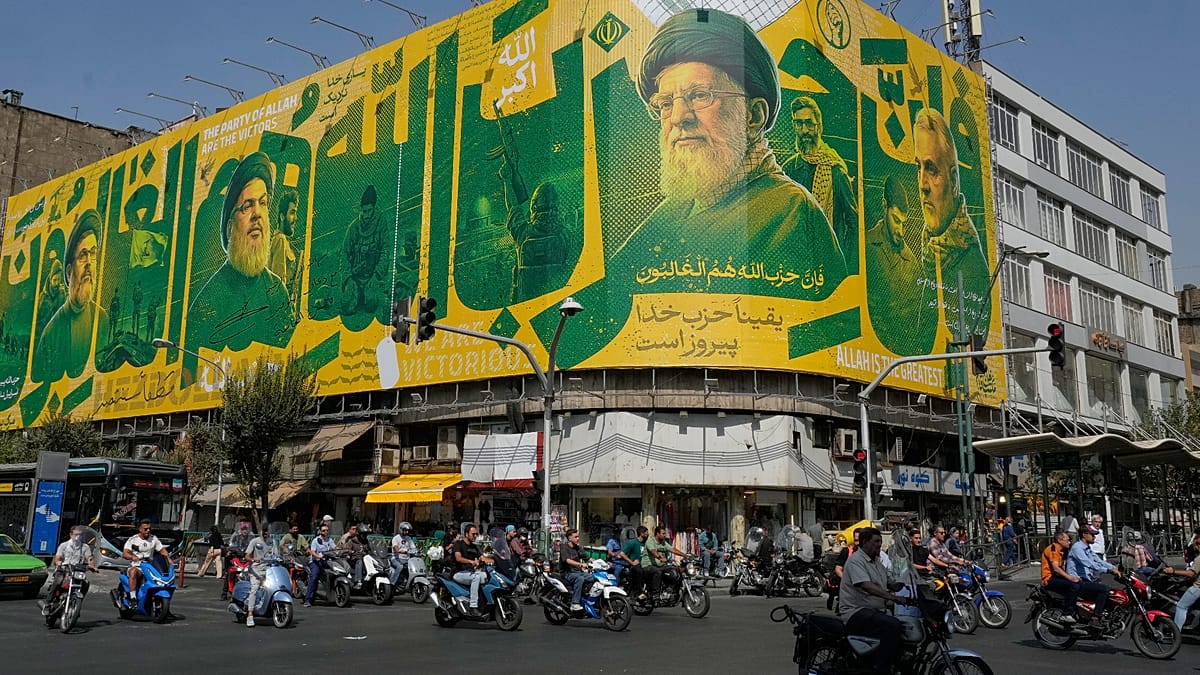
Iran unveils Tehran billboard vowing to kill Trump
The display over Enghelab Square shows the US president behind bars, as crowds call for revenge for Ayatollah Ali Khamenei, killed in February strikes.
UNESCO reports rise in impunity for journalist killings
The UN cultural agency recorded 189 journalists killed in 2024 and 2025, 20 per cent more than the previous two years, and said 86 per cent of cases went unpunished.

Saudi Aramco profit rises a third despite attacks on oil sites
Higher crude prices and a joint venture stake sale lifted third-quarter earnings, with France 24 putting net profit at $36.25bn as attacks disrupted exports.

Iran negotiator says US voters rejected war after midterm defeat
Ghalibaf's warning came as the IRGC reported four tankers ablaze in the Strait of Hormuz and Trump said the war ends when he says it does
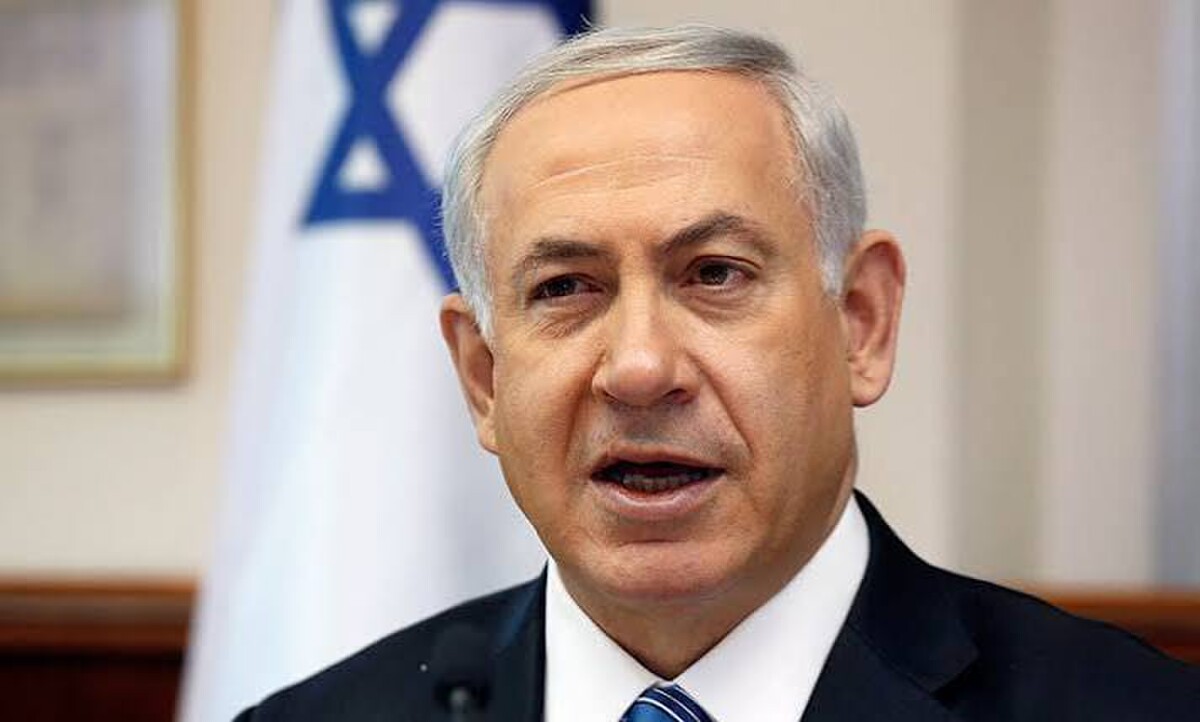
Israel's election committee rejects Netanyahu fraud claims
An audit of 9,069 polling stations found no fraud in the October 27 vote, as President Isaac Herzog prepares to hand one rival the first chance to form a government.
Trump says US will end $4bn annual aid to Israel
The US president told Fox News he and Benjamin Netanyahu agreed months ago to stop the payments, saying Israel no longer needs the money.