


Privy Council in London overturns Trinidad and Tobago gay sex ban
The unanimous ruling strikes down a 1986 law that carried prison terms, ending an 11-year case brought by campaigner Jason Jones.

The Judicial Committee of the Privy Council, the London court that serves as Trinidad and Tobago's final court of appeal, ruled unanimously on Tuesday that the country's Sexual Offences Act cannot be used to prosecute consensual sexual relations between adults of the same sex.
The judgment ends an 11-year legal battle by Jason Jones, 62, a dual citizen who won in Trinidad's High Court in 2018 before the government's appeal restored the law. The South China Morning Post reported that the act made "buggery" and "gross indecency" illegal. Euronews reported that it carried sentences of two years for "serious indecency" and five years for "buggery".
Lord Sales, delivering the judgment, said the provisions "cannot be regarded as reasonably justifiable in a society that has a proper respect for the rights and freedoms of an individual". Euronews reported that the committee held constitutional rights must be read in a way that makes them "practical and effective in the present day, not in the past".
Trinidad and Tobago's attorney general had argued that the law was shielded from challenge by "savings law clauses", which carried existing British-era statutes into independence. Lawyers for Jones argued that amendments made in 1986, which introduced stiffer penalties, put the provisions outside that protection.
Jones said the laws "never reflected who we are as a people and a nation" and told LGBTQ+ people "we were criminals in our own country". "That message ends today," he said. He told the BBC he hoped the ruling would "accelerate the fight for full equality", and told Euronews he would spend the coming months on "very targeted activism about how the Caribbean, not just Trinidad and Tobago, deals with endemic homophobia".
Anand Ramlogan SC, the lawyer representing Jones, called the judgment a "landmark victory for gay rights, equal dignity and respect for private and family life in Trinidad and Tobago". The law firm Freedom Law Chambers, which also represented him, described it to Euronews as a "phenomenal victory".
The UN human rights chief, Volker Turk, welcomed the decision, saying he hoped it would help remove "a longstanding source of stigma, exclusion, barriers and violence experienced by Trinidadians and Tobagonians based on sexual orientation and gender identity".
The BBC reported that it is the first time the Privy Council has decided a case on decriminalising same-sex intimacy, and that Trinidad and Tobago was one of some 34 Commonwealth countries still criminalising homosexuality under colonial-era laws, some of which carry the death penalty.
How the reports differ
Euronews alone reported the welcome from UN human rights chief Volker Turk and the specific penalties the law carried: two years for "serious indecency" and five years for "buggery". The BBC carried the wider context, reporting that this was the first such case decided by the Privy Council and that some 34 Commonwealth countries still criminalise homosexuality under colonial-era laws. Sky News and the South China Morning Post framed the ruling narrowly, as covering consensual sex between male same-sex couples, while the BBC and Euronews described a broader right to private and family life. Euronews called the ruling the work of "Trinidad and Tobago's highest court", while DW's headline named the UK Privy Council as the body that overruled the law.
Watch

Chile truckers block highways over surging diesel prices
Diesel has risen 74% since March, industry groups say, and talks between the government and protest leaders broke up without agreement.
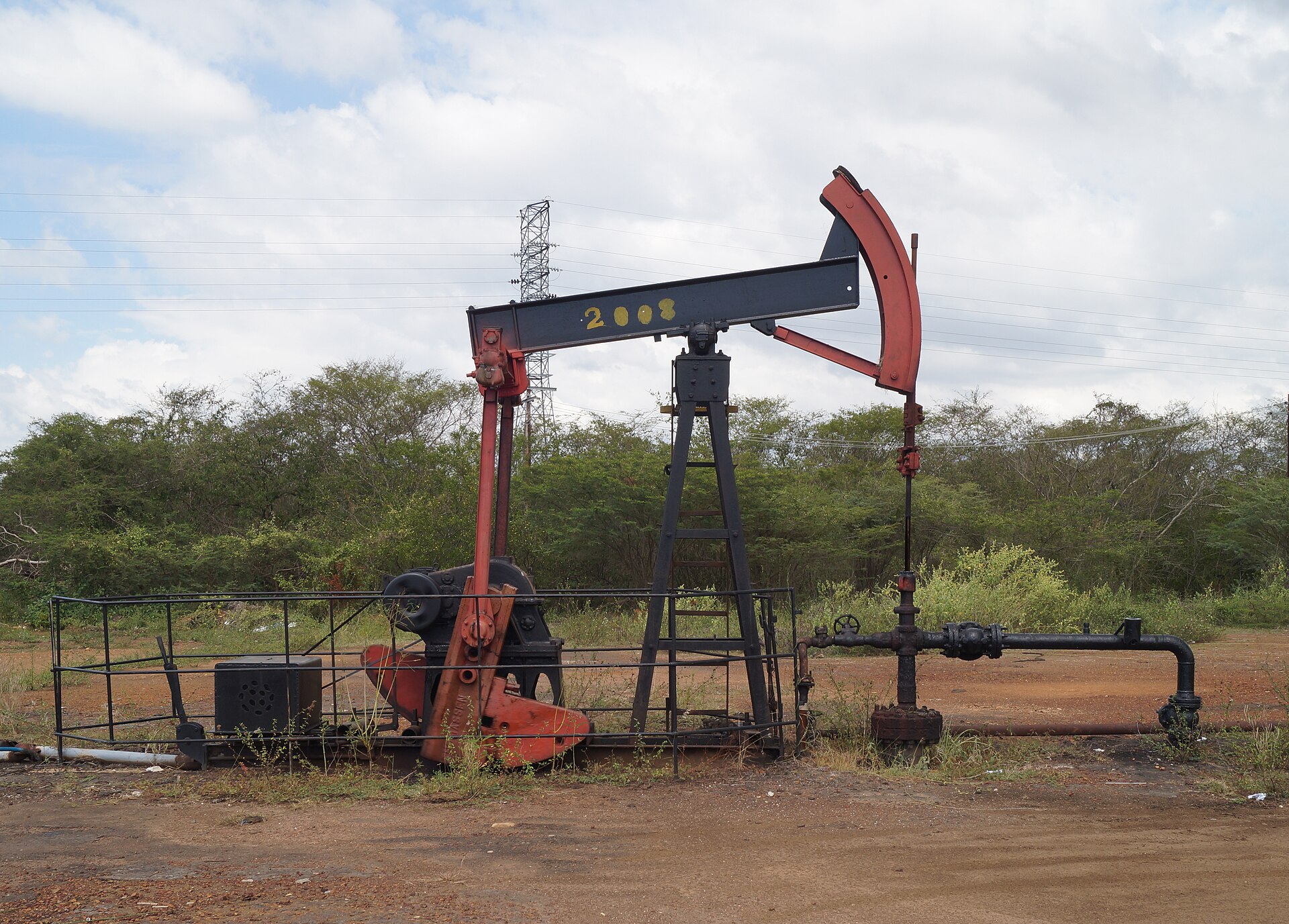
ExxonMobil signs preliminary deal with Venezuela's PDVSA to study oil
The non-binding memorandum covers possible upstream projects, but Exxon set conditions and gave no spending figure, timeline or output target.
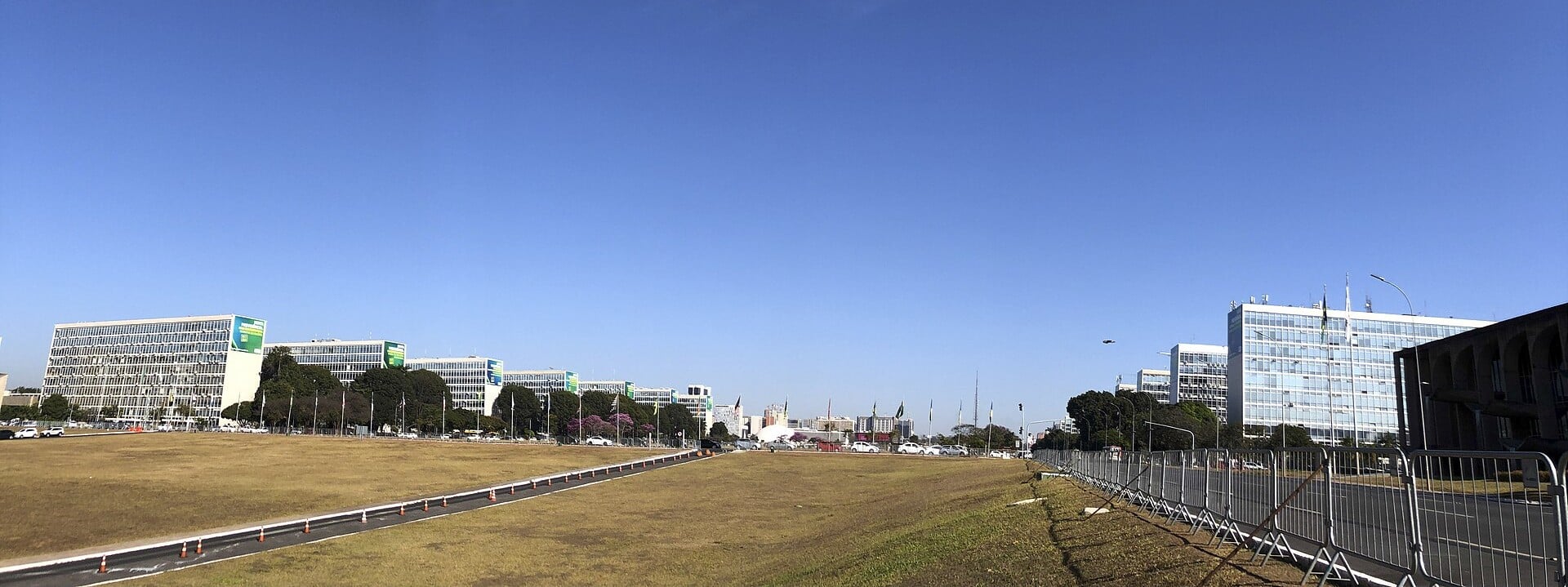
Lula accuses big tech of interference in Brazil election
Two weeks after winning a fourth term, the president said platforms gave millions of views to disinformation, but named no company and offered no evidence.
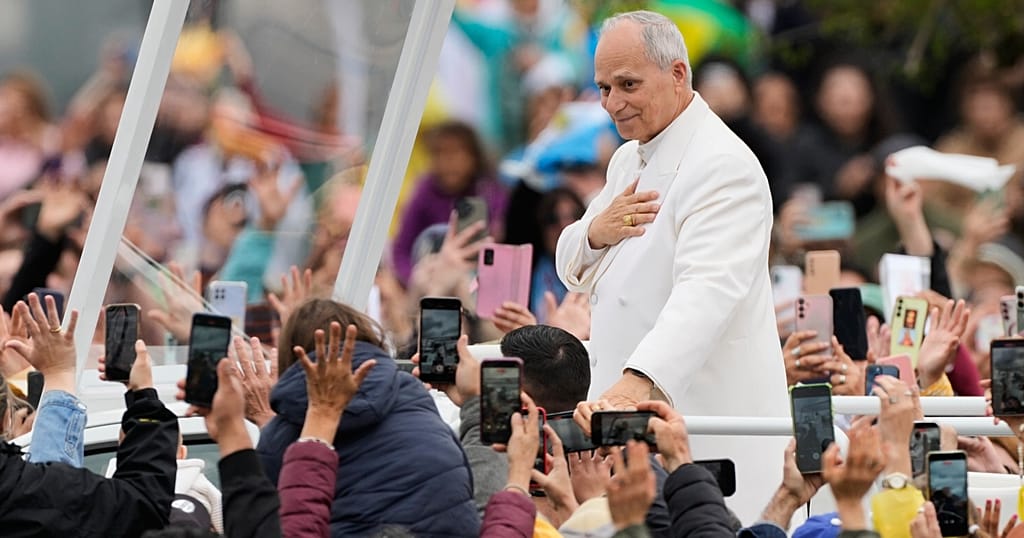
Pope Leo begins 12-day South America tour in Uruguay
The 71-year-old arrives in Montevideo three weeks after surgery for a lung tumour, on the first papal visit to Uruguay in nearly four decades.
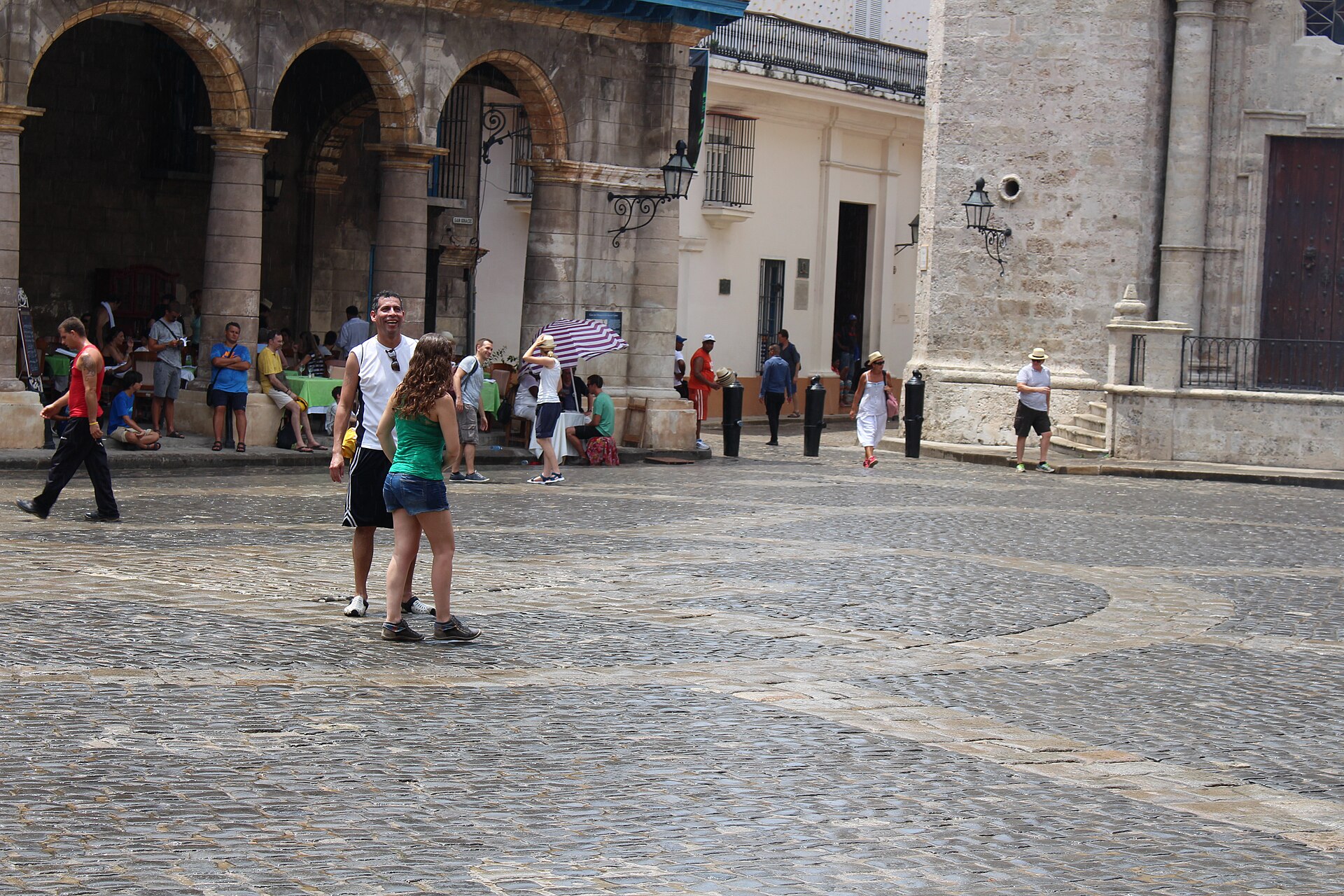
US sanctions Cuban oil shippers, tankers and electronics suppliers
Treasury adds two Cuban nationals, six companies in Cuba, China and Panama, and two tankers to its blocked list, and opens four Cuban sectors to penalties.
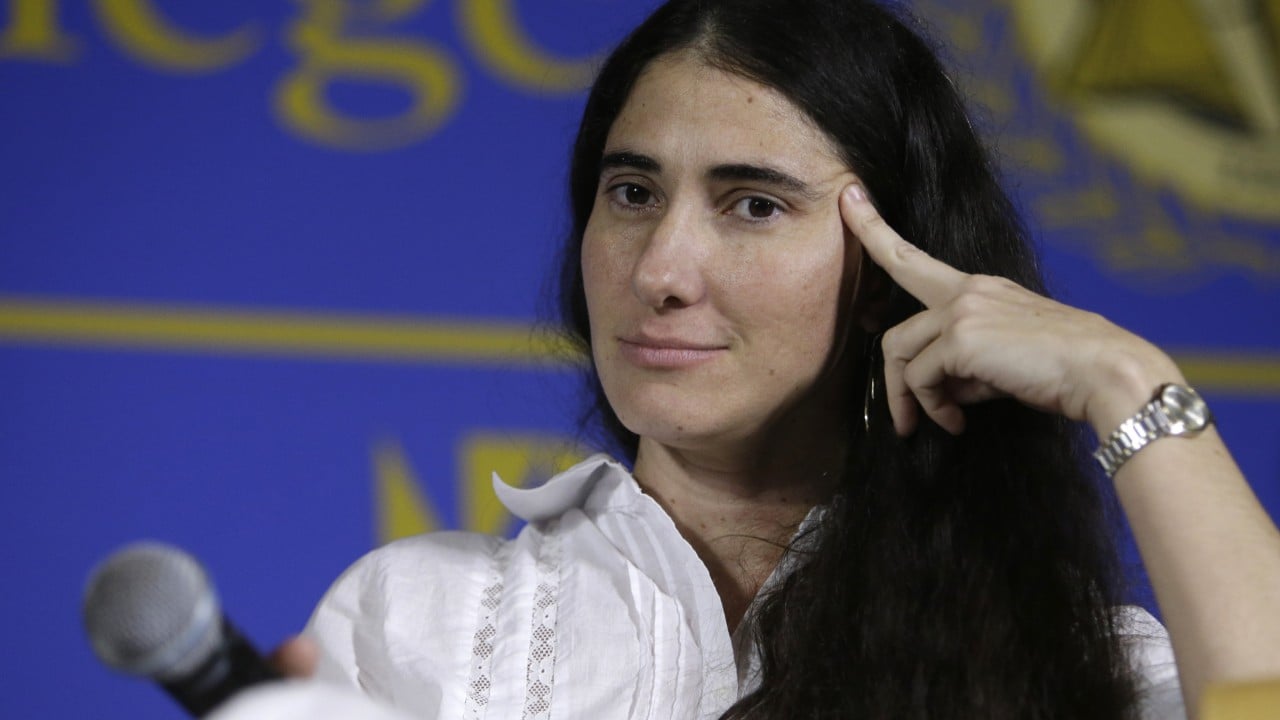
Cuba detains 14ymedio founder Yoani Sanchez in Havana
Her husband Reinaldo Escobar, speaking from Madrid, announced the detention on social media; she is the third independent journalist held in the capital this week.
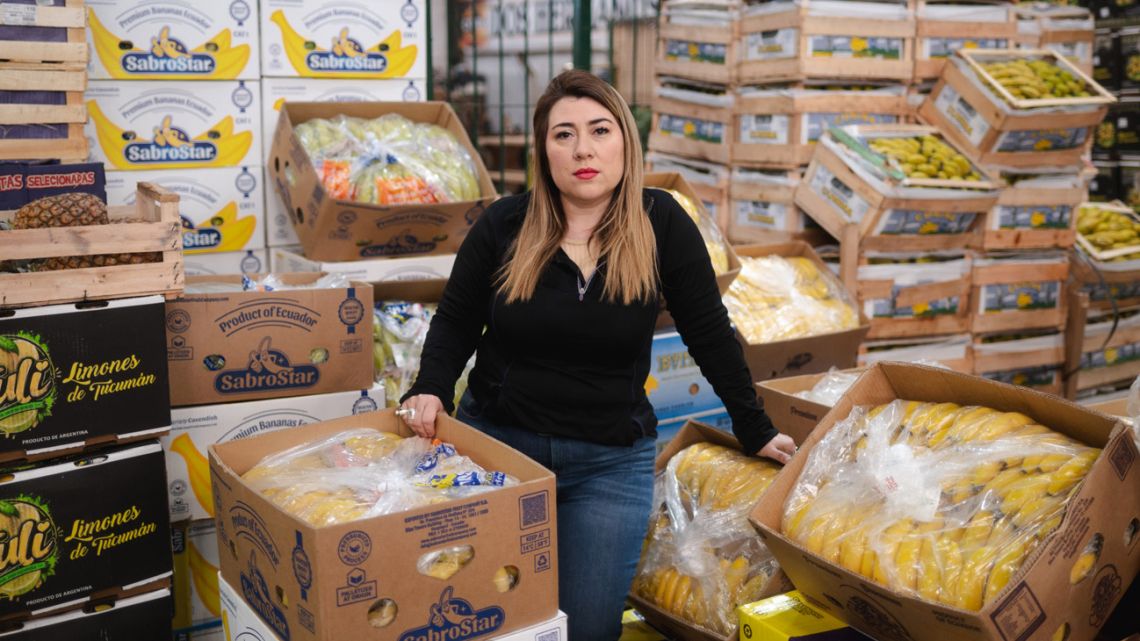
Argentina suspends bank account freezes for small businesses
Economy Minister Luis Caputo said the tax authority ARCA would halt the freezes until at least May and extend repayment plans, after enforcement actions rose 52 percent this year.
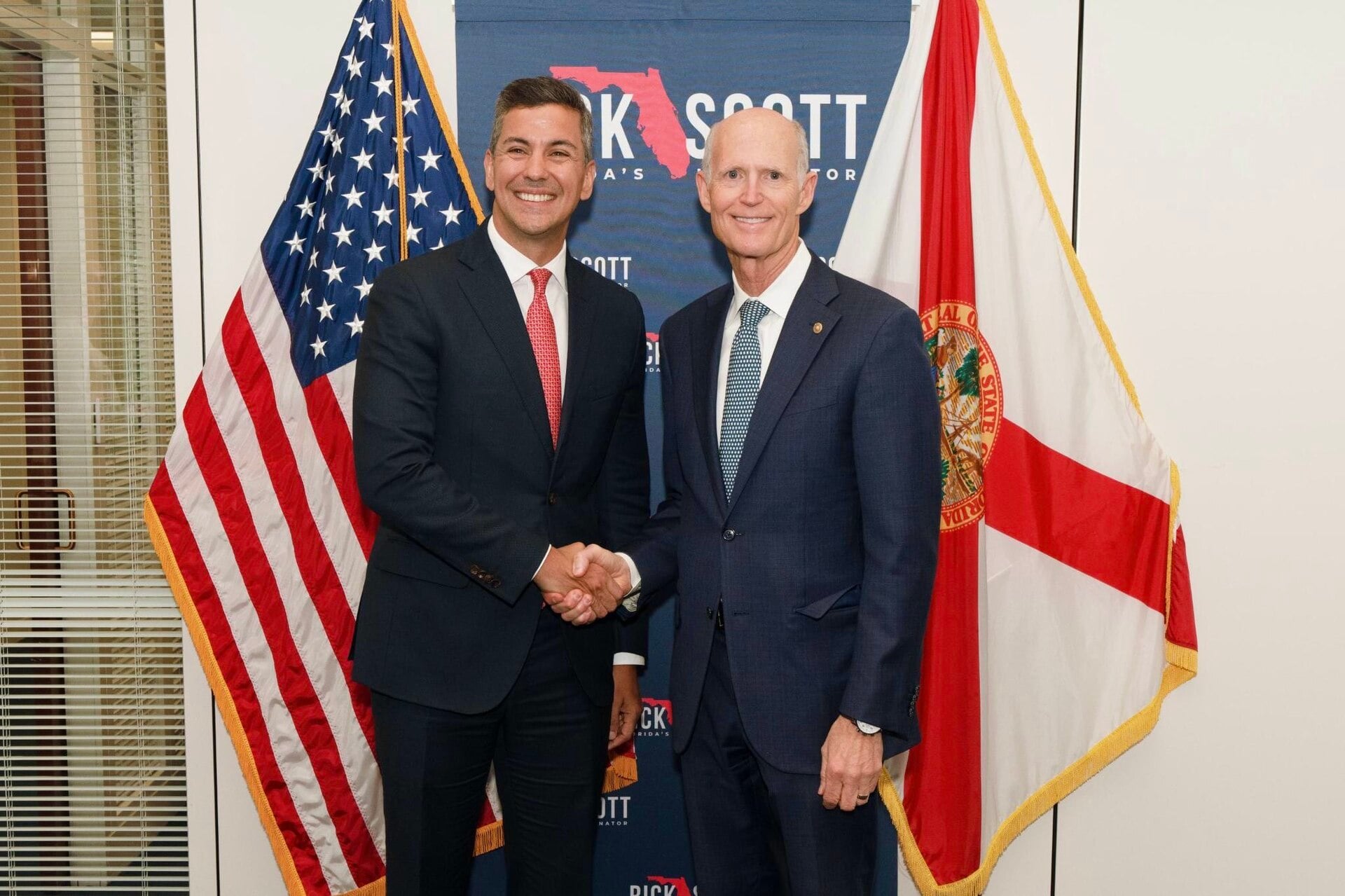
Paraguay lawmakers move to impeach Peña over bank collapse
The central bank placed ueno, a digital lender with about 3 million customers, into resolution and froze accounts, prompting protests in Asunción.